


Thymosin Alpha-1, KPV & LL-37: The Immune Peptides Explained
Most performance conversations are about building muscle or losing fat. The quieter question is what keeps you training at all: an immune system that holds up under heavy load, short sleep and constant travel. That is why thymosin alpha-1, a 28-amino-acid peptide first isolated from the thymus, draws so much interest, alongside the KPV peptide, the antimicrobial LL-37 peptide and glutathione, the cell’s master antioxidant. Each acts on a different layer of immunity.
This guide maps the immune system, then covers what thymosin alpha-1 is (also called thymalfasin, or timosina alfa 1 in Spanish and Italian), what the clinical research found, how KPV and LL-37 differ, where glutathione fits and why hard-training athletes care, plus a comparison table, the documented risks and the markers a careful researcher watches.
One point before we start. Rogue’s peptides are sold for research purposes only and are not for human consumption. Thymosin alpha-1 has a clinical history as a licensed medicine in some countries, but KPV and LL-37 are research compounds whose evidence is largely preclinical. This article explains the science; it is not a protocol, and where the data are thin we say so.
Key takeaways
- Innate immunity (barriers, neutrophils, antimicrobial peptides) reacts in minutes; adaptive immunity (T and B cells) is slower, specific and has memory. The thymus trains T cells.
- Thymosin alpha-1 acts on dendritic cells through Toll-like receptors and is described as an immune modulator, not a simple stimulant. It is licensed as Zadaxin in some countries, but not across the EU.
- Thymosin alpha-1 benefits have been studied in hepatitis B and C, vaccine responses, sepsis and cancer research, with promising but inconsistent results.
- KPV is the anti-inflammatory tail of alpha-MSH, studied in gut and skin models. Its evidence is almost entirely preclinical.
- LL-37 is the only human cathelicidin: it kills microbes, disrupts biofilms and signals wound repair, but in excess it drives inflammatory skin disease.
- Glutathione is the redox buffer immune cells depend on, but blanket antioxidant use may blunt adaptation.
- None of the research peptides here is an authorised medicine in the EU. Bloodwork, a doctor and authentic, batch-tested material are non-negotiable.
The thymus and the two arms of your immune system
Immunity is a layered system that must respond hard enough to clear a threat, then stand down before it damages your own tissue.
What the thymus actually does
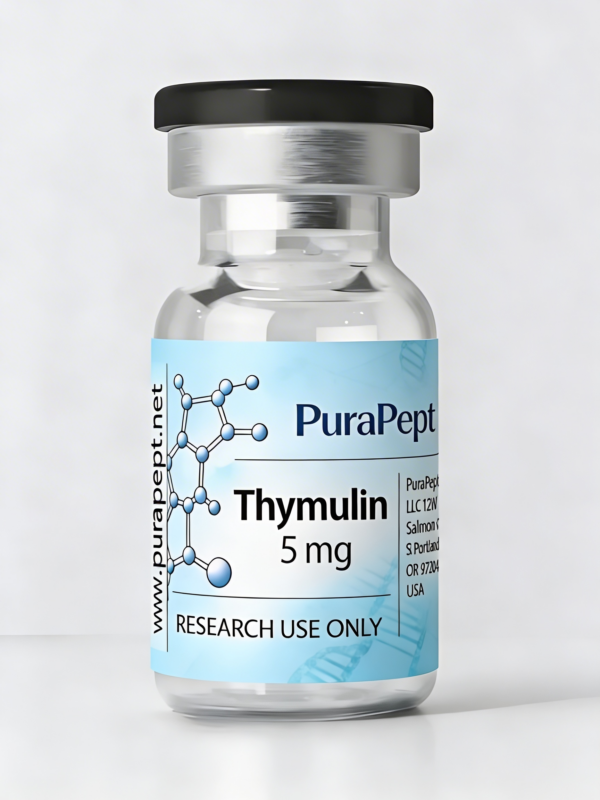
The thymus sits behind the breastbone and is the training ground for T lymphocytes. Immature cells arrive from the bone marrow and face strict selection: they must recognise the body’s molecular “ID cards” (MHC molecules) without reacting strongly against its own tissues. Most fail and are eliminated; the survivors leave as naive T cells, each tuned to a different potential threat. The thymus is also a gland whose epithelial cells release signalling molecules historically called thymic hormones, among them the thymosins and thymulin. Thymosin alpha-1 itself was found in a calf-thymus extract known as thymosin fraction 5.
Thymic involution: why the thymus shrinks
The thymus is largest in childhood and shrinks after puberty, gradually replaced by fat, and output of new T cells falls with it. Over decades the T cell repertoire narrows, part of what immunologists call immunosenescence: weaker vaccine responses and more low-grade inflammation. That is why thymic peptides attract attention. A small, uncontrolled pilot study known as TRIIM even reported signs of restored thymic tissue on imaging in men given growth hormone with DHEA and metformin, a reminder that the GH axis described in our growth hormone peptides guide touches immunity too.
Innate vs adaptive immunity
Innate immunity is the first line: skin and gut barriers, neutrophils, macrophages, natural killer cells and antimicrobial peptides such as LL-37. It recognises broad danger patterns through receptors including the Toll-like receptors (TLRs) and acts within minutes, but has no memory, and its main weapon, inflammation, damages tissue if it runs too long.
Adaptive immunity is the specialist arm: T and B cells that each recognise one precise target and leave memory cells behind. A first response takes days; the second is fast and powerful, the principle behind vaccination. The bridge between the two arms is the dendritic cell, which samples its surroundings through its TLRs and presents what it finds to T cells, setting the tone of the adaptive response. That bridge is where thymosin alpha-1 appears to act.
Why athletes under heavy training load care about immune resilience
The athletes who lose the most progress are rarely the ones who train too little; they are the ones who keep getting ill. Immune resilience is a performance variable, even if it never shows up on a barbell.
The “open window” and the J-shaped curve
Exercise physiologists have long described a J-shaped curve: regular moderate exercise is associated with fewer respiratory infections than inactivity, while very heavy or prolonged exertion has been linked to more upper respiratory symptoms. The “open window” theory proposed a temporary dip in defences after exhaustive sessions; more recent research argues that much of the extra risk comes from what surrounds hard training: crowds, travel, sleep loss, low energy availability and stress.
What really strains immunity in hard training
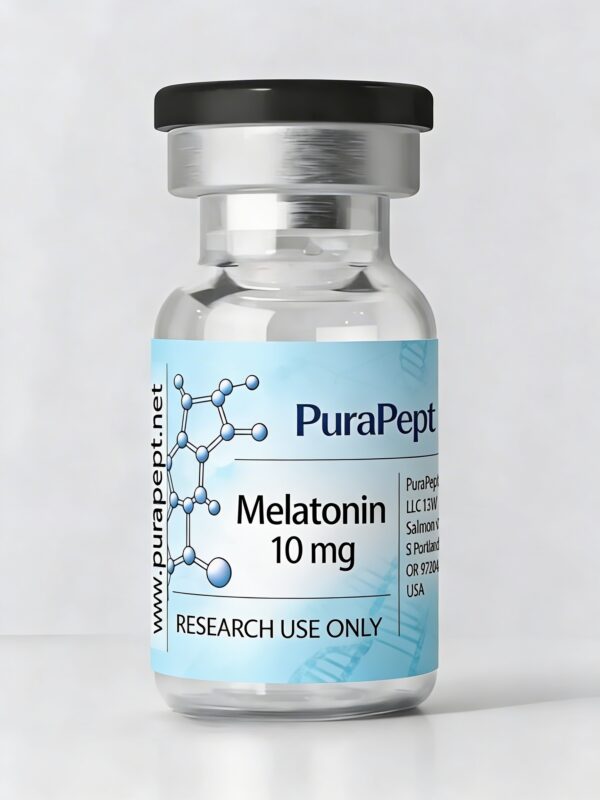
- Sleep debt. Short sleep has been associated with weaker antibody responses to vaccination. Our DSIP and sleep peptides guide covers the research side of sleep, including melatonin.
- Low energy availability. Prolonged deficits, common in physique sports, raise stress hormones that dampen immune function.
- Oxidative stress. Intense training multiplies reactive oxygen species, which is where glutathione enters the story.
- Gut barrier strain. Long, hot sessions divert blood from the gut and can increase intestinal permeability.
- Skin breaches. Mat sports, blisters and abrasions are entry points for bacteria, the context for antimicrobial peptide research.
The careful, conscious athlete handles the foundations first: sleep, energy intake, vitamin D status, hygiene and sensible load management. Immune peptides are no substitute for any of that; what they offer researchers is a way to study, one pathway at a time, why some bodies cope with hard training and others break down.
What is thymosin alpha-1 (thymalfasin)?
Structure and origin
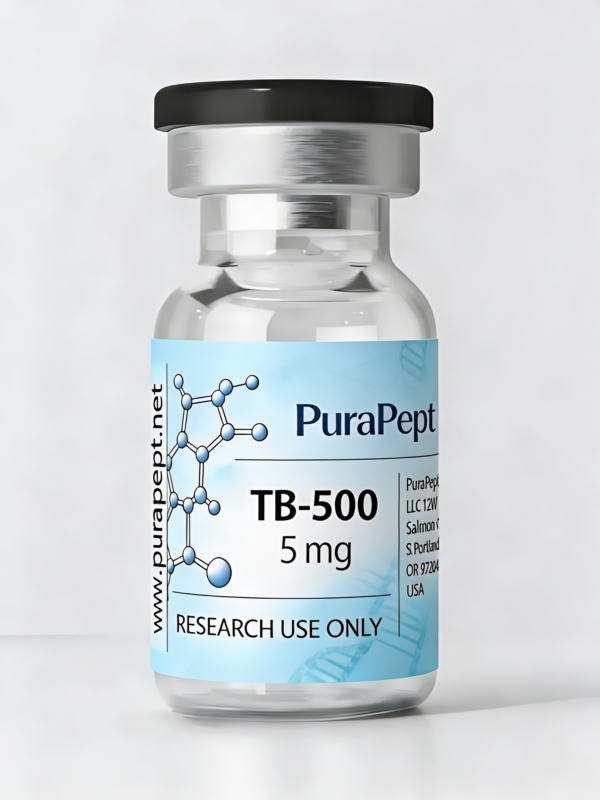
Thymosin alpha-1 is a 28-amino-acid peptide with an acetylated N-terminus, purified from thymosin fraction 5 and sequenced in the late 1970s. Its parent protein, prothymosin alpha, is actually made in many tissues. The synthetic version is called thymalfasin. Do not confuse it with thymosin beta-4, a completely different molecule better known in research form as TB-500 and covered in our BPC-157 and TB-500 recovery peptides guide. They share a family name for historical reasons, not a function.
How it works: dendritic cells and Toll-like receptors
The most widely cited mechanism is that thymosin alpha-1 acts on dendritic cells through Toll-like receptors, particularly TLR2 and TLR9. In laboratory studies this improves antigen presentation and steers helper T cells towards a Th1 profile, the branch geared to fighting viruses, intracellular bacteria and fungi. Researchers have reported increases in interleukin-2, interferon-gamma and natural killer cell activity, along with markers of T cell maturation.
Crucially, this is not a simple “boost”. In fungal infection models the same peptide also switched on tolerance pathways in dendritic cells, including the enzyme IDO, which restrains excessive inflammation. That is why the literature calls thymosin alpha-1 an immune modulator: it appears to help the immune system respond more appropriately, not simply harder.
Thymosin alpha 1 as a licensed medicine
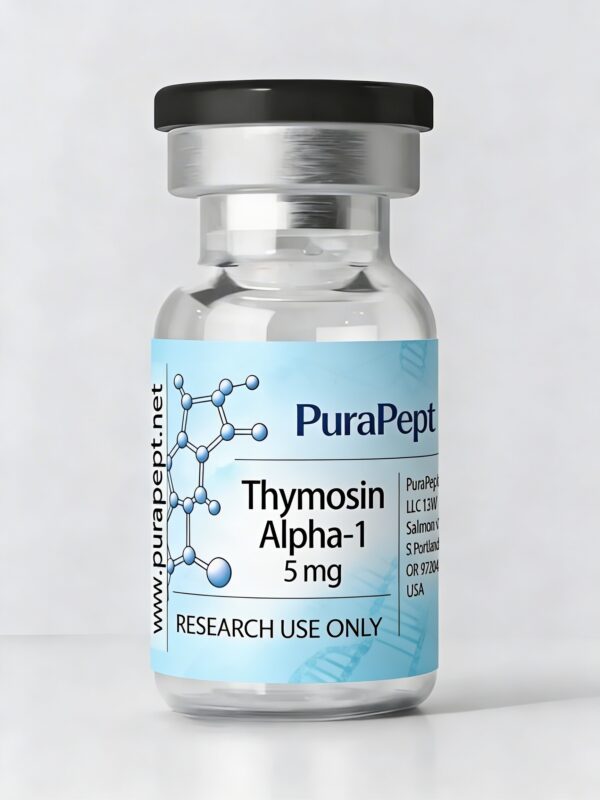
Thymalfasin is marketed as Zadaxin in a number of countries, with China its largest market, where it has been used for chronic hepatitis B and as an immune enhancer. It has no EU-wide marketing authorisation and no FDA approval, so in Europe it is encountered mainly as a research peptide such as the Thymosin Alpha-1 5 mg research vial. That licensed history means a body of human tolerability data exists that most research peptides lack. Pharmacokinetically it is short-lived, with a plasma half-life of roughly two hours, but its effects on dendritic cells and T cells set off processes that unfold over days.
Thymosin alpha-1 benefits: what the research has studied
Search for thymosin alpha-1 benefits and you will find bold lists. The honest version is more useful: decades of human research, real signals in specific settings and inconsistent results in others.
Chronic hepatitis B and C
In chronic hepatitis B, trials and meta-analyses reported that thymosin alpha-1 helped some patients clear viral markers, sometimes with responses that kept improving after treatment stopped, the pattern you would expect from a compound working through the immune system rather than on the virus directly. In hepatitis C it was studied mainly alongside interferon. Results were mixed and modern antivirals are now the standard of care, but this work established the peptide’s human profile.
Vaccine response in vulnerable groups
Small studies tested whether thymosin alpha-1 improves antibody responses in people with weaker immunity, such as older adults receiving influenza vaccine and haemodialysis patients receiving hepatitis B vaccine. Several reported faster or stronger responses, though not all agreed.
Sepsis and critical illness
Sepsis combines an inflammatory storm with later immune paralysis. A Chinese multicentre trial in severe sepsis reported a borderline reduction in mortality, which generated real excitement, but a larger double-blind, placebo-controlled phase 3 trial published more recently found no significant survival benefit. It is a good reason to treat single positive studies with caution.
Cancer research and other areas
Thymosin alpha-1 has been investigated as an add-on to chemotherapy in metastatic melanoma and alongside treatment for liver and lung cancer. Some trials reported encouraging signals, but it has no established role in European oncology. During the COVID-19 pandemic, retrospective studies of its hospital use reached conflicting conclusions. It remains a reference compound in thymic biology together with the zinc-dependent nonapeptide thymulin.
Why the careful researcher finds it compelling
Few research peptides combine a long human track record, a well-characterised mechanism and a modulating rather than one-directional effect. For studying immune resilience, vaccine responses or immune ageing, thymosin alpha-1 is a foundational tool. What is missing are large modern trials in healthy or athletic people, so any claim that it makes an athlete “bulletproof” is extrapolation, not evidence.
KPV peptide: the anti-inflammatory fragment of alpha-MSH
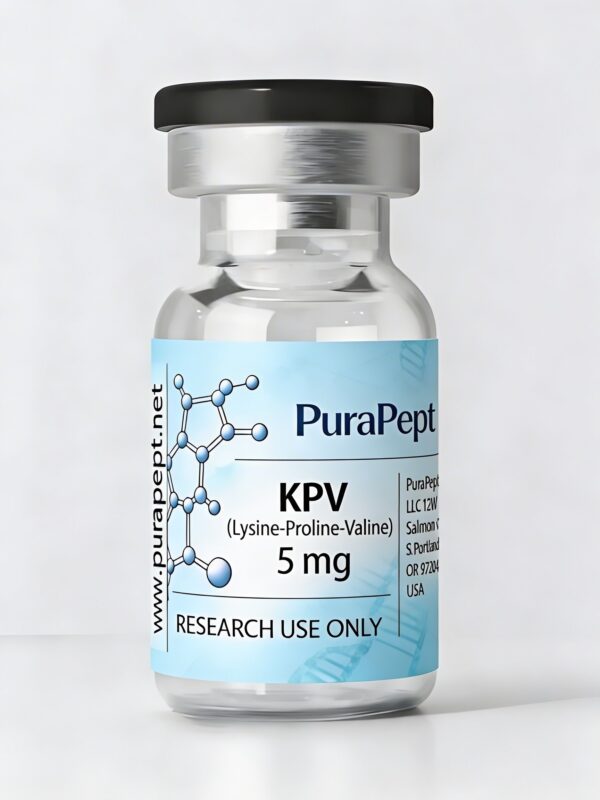
KPV is only three amino acids long: lysine, proline and valine. It is the C-terminal end (residues 11 to 13) of alpha-melanocyte-stimulating hormone, or alpha-MSH, the hormone best known for skin pigmentation and studied in synthetic form as Melanotan II and Melanotan I. Alpha-MSH is also strongly anti-inflammatory, and researchers found decades ago that much of that activity is carried by this tiny tail.
How KPV works
The appeal of the KPV research peptide is that it appears to keep alpha-MSH’s anti-inflammatory character while largely shedding its pigmentation signalling. In cell studies it reduces activation of NF-kB, a master switch for inflammatory genes, and lowers pro-inflammatory cytokine release. Whether it acts through melanocortin receptors at all is still debated. In intestinal cells it is taken up through PepT1, a small-peptide transporter that becomes more abundant in inflamed colon tissue, so it may act from inside the very cells that are most inflamed.
Gut and skin research
Most KPV research uses mouse models of colitis, the laboratory counterpart of inflammatory bowel disease, where it reduced inflammation, tissue damage and weight loss; later work packaged it into nanoparticles designed to reach the colon. Athletes take note because endurance work and heat stress strain the gut barrier. KPV has also been studied in skin inflammation models and has shown activity against Staphylococcus aureus and Candida albicans in laboratory tests, which is why it is so often discussed alongside LL-37.
What is not known
KPV has no approved medical use and controlled human trials are essentially absent; nearly everything comes from cell cultures and animals. It is a fascinating research tool, not a proven treatment.
LL-37 peptide: the body’s own antibiotic
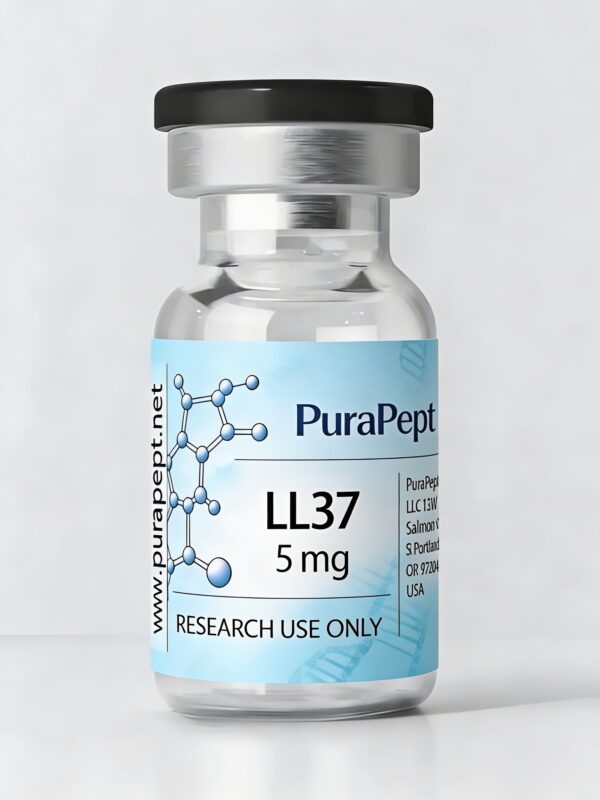
Where KPV calms inflammation, LL-37 is a frontline weapon of innate immunity. It is the only cathelicidin humans make: a 37-amino-acid peptide named after its first two residues, both leucines. Neutrophils store it, and skin, gut and airway cells produce it as an inactive precursor, hCAP18, which is cut into the active peptide when needed.
The vitamin D connection
The cathelicidin gene is directly switched on by active vitamin D. Landmark research showed that human macrophages fighting tuberculosis bacteria rely on a vitamin D-dependent pathway to produce cathelicidin, one reason vitamin D status matters for innate immunity, and why it appears in the bloodwork discussed below.
Killing microbes and breaking biofilms
LL-37 is amphipathic: one face of its helix is positively charged, the other water-repelling, which lets it bind and disrupt the negatively charged membranes of microbes. In the laboratory it acts against a broad range of bacteria, fungi and some enveloped viruses, neutralises bacterial endotoxin and has even inhibited Pseudomonas aeruginosa biofilms, the slime-protected communities behind many chronic infections, at concentrations below those needed to kill the bacteria outright.
Wound repair and immune signalling
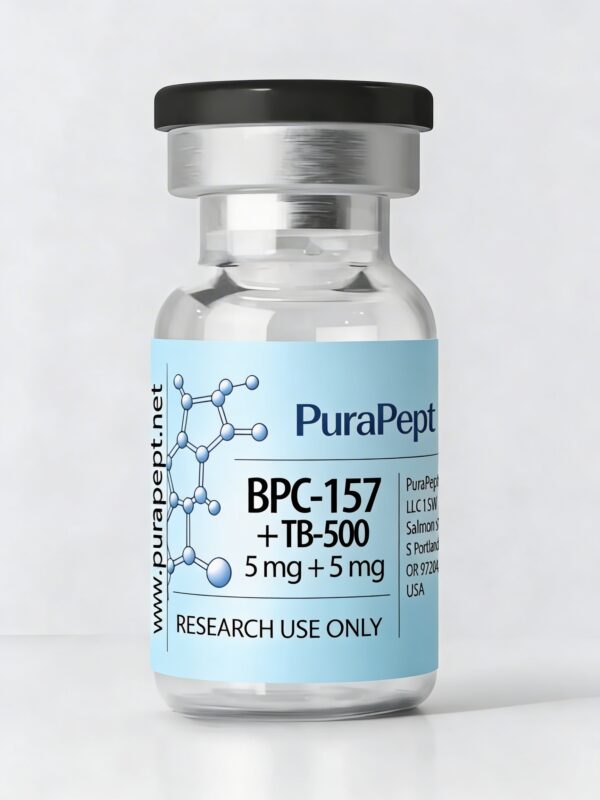
LL-37 also attracts immune cells via the formyl peptide receptor FPR2, promotes new blood vessel formation and supports re-epithelialisation, the closing of a wound by new skin cells. Early clinical work with topical LL-37 in hard-to-heal venous leg ulcers produced encouraging signals, although later results were mixed and no LL-37 medicine has been approved. That is why the LL-37 research peptide is studied in tissue repair alongside compounds such as the BPC-157 + TB-500 blend.
The double edge
Too much LL-37 is a problem. In psoriasis it binds fragments of the body’s own DNA and activates plasmacytoid dendritic cells through TLR9, helping to drive the disease. In rosacea, abnormally processed cathelicidin fragments are linked to redness and inflammation. It has also been implicated in autoimmune processes and, in cancer research, appears to promote some tumour types while suppressing others.
Glutathione: the master antioxidant behind immune cells
Glutathione is not a signalling peptide but a tripeptide of glutamate, cysteine and glycine, and the most abundant antioxidant inside cells. Its reactive cysteine cycles between the reduced form (GSH) and the oxidised form (GSSG), and their ratio is the standard measure of a cell’s redox state. It neutralises reactive oxygen species, fuels glutathione peroxidases and drives detoxification through conjugation.
Why immune cells depend on it
Neutrophils and macrophages generate oxidants to kill microbes and need glutathione to protect themselves from their own weapons. Lymphocytes depend on adequate glutathione to proliferate after activation, and low glutathione has been linked to impaired T cell function in several chronic diseases. Glutathione is the redox buffer that lets immune responses run without burning out the cells that carry them.
Training, oxidative stress and the adaptation paradox
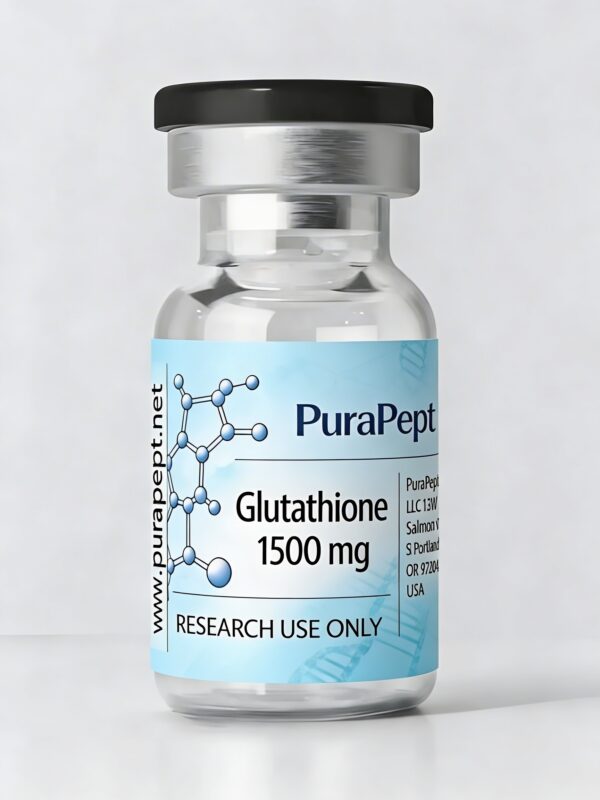
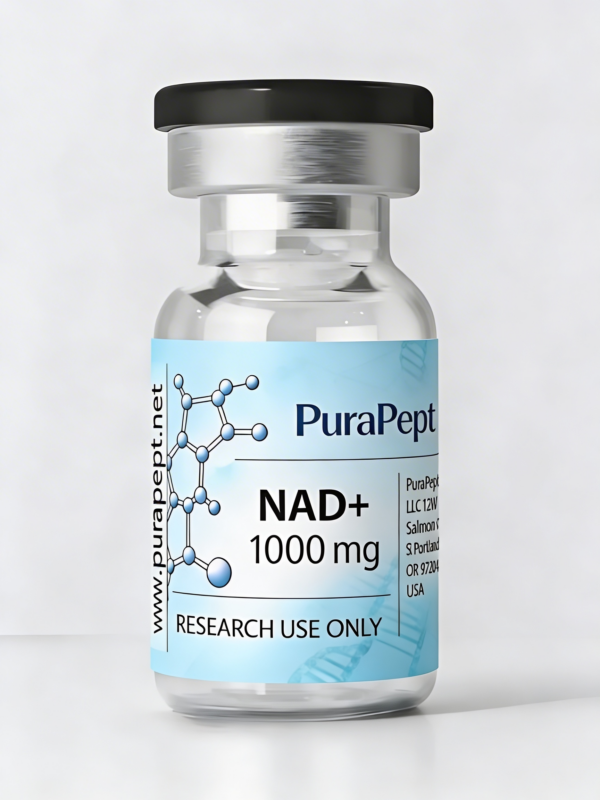
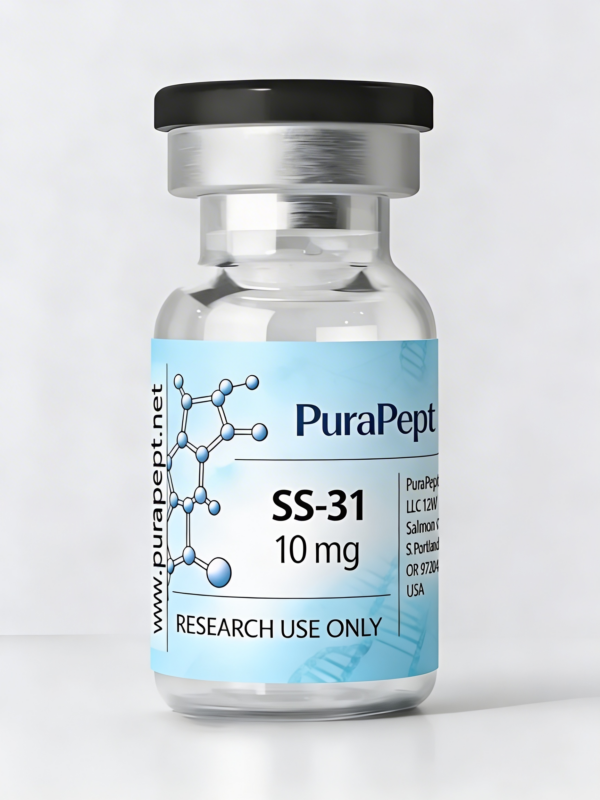
Hard training raises oxidative stress and shifts the GSH/GSSG ratio. More antioxidant is not automatically better. Reactive oxygen species are also the signals that trigger mitochondrial biogenesis and other adaptations, and several studies found that high-dose antioxidant vitamins blunted some of them. The careful approach supports the body’s own antioxidant systems through diet, sleep and recovery rather than switching oxidative signalling off. The Glutathione 1500 mg vial is supplied for laboratories studying oxidative stress and redox balance, and pairs naturally with mitochondrial research compounds such as NAD+ and the cardiolipin-targeted SS-31 peptide.
Injectable glutathione is heavily promoted for skin lightening in some markets, and health regulators have warned about unlicensed products sold for that purpose: a molecule your body makes is not automatically harmless in a different form or quantity.
Thymosin alpha-1 vs KPV vs LL-37 vs glutathione compared
The simplest way to remember them is by layer: LL-37 is an innate effector, KPV is an inflammation brake, thymosin alpha-1 works at the bridge to adaptive immunity and glutathione is the metabolic floor beneath all of them. Treating them as interchangeable “immune boosters” misses the point.
| Compound | What it is | Main immune role studied | Key research areas | Human evidence | Status |
|---|---|---|---|---|---|
| Thymosin alpha-1 | 28-amino-acid acetylated thymic peptide | Dendritic cell activation via TLR2/TLR9; T cell maturation | Hepatitis B and C, vaccine response, sepsis, cancer add-on | Decades of clinical trials; mixed results | Licensed as Zadaxin in some non-EU countries; research peptide in the EU |
| KPV | Tripeptide from alpha-MSH | Dampens NF-kB-driven inflammation | Colitis models, skin inflammation | Almost entirely preclinical | Research compound only |
| LL-37 | 37-amino-acid human cathelicidin | Antimicrobial action; immune cell recruitment | Biofilms, chronic wounds, psoriasis mechanisms | Preclinical plus early topical wound trials | Research compound only |
| Glutathione | Glutamate-cysteine-glycine tripeptide | Redox buffer for immune cells | Oxidative stress, exercise physiology | Extensive biochemistry; supplementation studies mixed | Varies by form and country |
| Thymulin | Zinc-dependent thymic nonapeptide | T cell differentiation signalling | Thymic function, neuroimmune crosstalk | Mostly preclinical | Research compound only |
Related immune and neuroimmune peptides
Thymulin is the other classic thymic hormone, active only when bound to zinc. VIP (vasoactive intestinal peptide) is a neuropeptide studied where the nervous and immune systems meet, particularly in gut and airway inflammation. Selank is a synthetic analogue of tuftsin, an immunoglobulin-derived peptide, studied for effects on inflammatory cytokines as well as anxiety. Even ghrelin, mimicked by the peptides in our GHRP-2 vs GHRP-6 comparison, has anti-inflammatory effects on immune cells. All sit in our peptides collection.
Side effects and risk management
The immune system is a balance: pushing it one way can be as harmful as suppressing it. Here is what the literature describes, without minimising or exaggerating.
Compound by compound
- Thymosin alpha-1 was generally well tolerated in clinical trials, with local injection-site reactions the most common complaint. The bigger question is who should avoid an immune modulator altogether: people with autoimmune disease, transplant recipients and anyone on immunosuppressive treatment.
- KPV has so little human data that its side-effect profile is largely unknown, and that uncertainty is the main risk; in theory it could also blunt the response to a genuine infection.
- LL-37 damages human cells at high concentrations, can drive inflammation in skin prone to psoriasis or rosacea, has been implicated in autoimmune conditions such as lupus and plays a growth-promoting role in some cancers.
- Glutathione is a natural molecule, but inhaled glutathione has triggered bronchospasm in some people with asthma, injectable skin-lightening products have drawn regulatory warnings and blanket antioxidant use may blunt training adaptation.
Across all four, the commonest real-world danger is the material: contaminated or non-sterile products and bacterial endotoxin, which activates TLR4 by itself and causes fever and inflammation easily mistaken for a peptide effect.
What the careful user monitors
Anything that touches the immune system belongs with bloodwork and a doctor. The markers that matter most:
- Full blood count with differential, including lymphocytes and neutrophils.
- CRP for inflammation, measured away from hard sessions, which raise it temporarily.
- Liver enzymes and kidney function as part of a standard panel.
- 25-hydroxy vitamin D, given its direct link to cathelicidin production.
- Ferritin and iron status, since deficiency impairs immunity and is common in endurance athletes.
- Autoimmune screening, such as antinuclear and thyroid antibodies, where there is a personal or family history.
- A symptom log: infections, skin reactions, fever, gut symptoms and resting heart rate.
Why a doctor belongs in the picture
A doctor can find out whether recurrent infections have a treatable cause, such as low vitamin D, iron deficiency or plain overtraining, screen for autoimmune disease, check interactions with immunosuppressants and decide whether any intervention is appropriate at all. Dose, timing and duration belong in that conversation and nowhere else.
The rules matter too. None of the research peptides here is an authorised medicine in the EU. Tested athletes should never assume a peptide is permitted: thymosin beta-4 is explicitly prohibited, many unapproved peptides fall under WADA’s S0 category for non-approved substances, and large-volume intravenous infusions are a prohibited method whatever they contain. None of this is for beginners or teenagers, and none of it replaces rest, nutrition and sleep. Users of hormonal compounds will recognise this monitoring discipline from our post cycle therapy guide.
Why authenticity matters with immune peptides
Grey-market vials regularly contain less peptide than labelled, the wrong peptide or contamination, and immune peptides have specific weak points:
- Thymosin alpha-1 must be acetylated. A 28-residue synthesis that skips the N-terminal acetyl group, or leaves truncated sequences behind, is a different compound in an identical-looking powder.
- KPV cannot be verified by eye. A three-residue peptide is a white powder like any other; only analytical testing confirms it.
- LL-37 is sticky. Cationic peptides cling to glass and plastic and are sensitive to salt, so poor handling quietly lowers usable content.
- Glutathione oxidises. Air, warmth and trace metals turn GSH into GSSG, so badly stored material loses reducing capacity before it is opened.
- Endotoxin wrecks immune research. A contaminated vial creates inflammation on its own and makes every immune readout meaningless.
That is why every vial in our PuraPept peptide line is sealed and tamper-evident, EU-manufactured, batch-tested for identity and purity and traceable to the manufacturer’s lot, with discreet, tracked EU delivery in plain packaging. Whether your work involves batch-verified thymosin alpha-1, the KPV tripeptide, LL-37 cathelicidin or high-content glutathione, the same standard applies across our research compounds category.
Frequently asked questions
What is thymosin alpha-1 used for?
As the licensed medicine Zadaxin (thymalfasin), it has been used in some countries for chronic hepatitis B and as an immune enhancer, and it has been studied in hepatitis C, vaccine responses, sepsis and cancer research. In the EU it has no marketing authorisation and is supplied as a research peptide.
What are the benefits of thymosin alpha-1?
Research has studied its ability to activate dendritic cells, support T cell maturation and favour antiviral Th1 activity without simply amplifying inflammation. Trials reported benefits in settings such as hepatitis B and vaccine responses in vulnerable groups, but results were inconsistent, a large sepsis trial was negative and evidence in healthy athletes is lacking.
Is thymosin alpha-1 the same as TB-500?
No. TB-500 is a research form of thymosin beta-4, a different protein involved in actin regulation and tissue repair. Thymosin alpha-1 is an immune signalling peptide; the shared name reflects their common thymic origin.
What does the KPV peptide do?
KPV is the lysine-proline-valine tail of alpha-MSH. In cell and animal studies it dampens NF-kB-driven inflammation, with most research focused on colitis and skin inflammation. It lacks alpha-MSH’s pigmentation activity, and controlled human trials are essentially absent.
What is the LL-37 peptide?
LL-37 is the only human cathelicidin, an antimicrobial peptide made by immune and epithelial cells and regulated by vitamin D. It disrupts microbial membranes, inhibits biofilms and signals wound repair, but in excess it is linked to psoriasis and rosacea.
Is thymosin alpha-1 allowed in tested sport?
Never assume a peptide is permitted. Thymosin beta-4 is explicitly prohibited, many unapproved peptides fall under WADA’s S0 category and the list is updated every year. Tested athletes should check the current WADA Prohibited List with their anti-doping organisation first.
Is timosina alfa 1 the same as thymosin alpha-1?
Yes. Timosina alfa 1 is the Spanish and Italian name, and timalfasina the Spanish and Italian form of thymalfasin. Whatever the language, it is the same acetylated 28-amino-acid peptide.
The bottom line on thymosin alpha-1 and immune peptides
Immune resilience is the quiet foundation of every serious training block, and these compounds are precise tools for studying it. Thymosin alpha-1 works at the bridge between innate and adaptive immunity with decades of human data behind it; KPV isolates the anti-inflammatory core of alpha-MSH; LL-37 shows how the body fights microbes on its own terms; glutathione keeps immune cells running. The careful, conscious researcher respects both sides: the mechanisms are exciting, but much of the evidence is preclinical and several clinical signals have not held up in larger trials.
Rogue’s peptides are sold for research purposes only and are not for human consumption. When authenticity, batch traceability and discreet EU delivery matter, explore the full Rogue peptides collection, starting with Thymosin Alpha-1, and build your research on material you can trust.
This article is for educational purposes only and is not medical advice. Prescription medicines and performance compounds carry real risks; speak to a qualified doctor before using any of them, and never use them if you are under 18.
Products in this guide
-
 +50 Rogue Points
-
 From +35 Rogue Points
TB-500
Price range: 35,00 € through 55,00 €Select options This product has multiple variants. The options may be chosen on the product page -
 +40 Rogue Points
-
 From +50 Rogue Points
Thymulin
50,00 €Select options This product has multiple variants. The options may be chosen on the product page -
 +35 Rogue Points
-
 +45 Rogue Points
-
 +40 Rogue Points
-
 +60 Rogue Points
-
 +80 Rogue Points
-
 +50 Rogue Points
-
 +90 Rogue Points
-
 +70 Rogue Points
Keep reading
 Peptide Research
 Peptide Research
 Peptide Research