


Melanotan II, Melanotan I and PT-141: Melanocortin Peptides Explained

Few peptides have travelled as far from the laboratory as Melanotan II. University researchers designed it to darken skin without first burning it, and it turned out to act on far more than pigment: appetite, sexual arousal and blood pressure all answer to the same family of receptors. Today people search for “melanotan 2” for very different reasons, usually alongside its selective older sibling, Melanotan I, and its refined descendant, PT-141, better known as bremelanotide.
This guide maps the whole melanocortin family: how five receptors divide the work between skin and brain, why MT-1 (Melanotan I) became a licensed medicine while MT-2 never did, and how PT-141 (Bremelanotide) became a US-approved treatment for low desire by acting on the brain rather than blood flow. You will also find comparison tables, the documented side effects and why dermatologists care about your moles.
One point before we begin. Rogue’s peptides are sold for research purposes only and are not for human consumption. What follows describes published research, early human pharmacology and data from the licensed medicines in this class. It is here so you understand the science, not as a protocol, and where the evidence is thin or preclinical we say so.
Key takeaways
- Melanocortins act on five receptors: MC1R governs pigment, while MC3R and MC4R in the brain shape appetite, sexual function and blood pressure.
- Melanotan I (afamelanotide) is largely MC1R-selective and licensed as Scenesse for erythropoietic protoporphyria, a rare light-sensitivity disorder.
- Melanotan II is cyclic and non-selective: it darkens skin but also reaches the brain, hence its study for libido and appetite, and its nausea, flushing and spontaneous erections.
- PT-141 (bremelanotide) is licensed in the US as Vyleesi for low sexual desire in premenopausal women. It works on desire, not blood vessels, unlike sildenafil or tadalafil.
- Documented risks include nausea, flushing, transient blood pressure rises, darkening moles and new moles. Dermatology checks belong in the picture.
- Regulators have repeatedly warned against unlicensed tanning injections and nasal sprays.
- MT-2 and PT-141 differ by roughly one dalton in mass, so only proper batch testing tells them apart.
The melanocortin system: one hormone family, five receptors
Every compound in this guide imitates alpha-melanocyte-stimulating hormone (alpha-MSH), a 13-amino-acid peptide cut from a precursor protein, pro-opiomelanocortin (POMC), which also yields ACTH and beta-endorphin. That is why melanocortins influence pigmentation, inflammation, appetite, energy expenditure and sexual behaviour.
Native alpha-MSH is fragile: enzymes break it down within minutes. The melanotans solve that problem by keeping the core His-Phe-Arg-Trp motif that every melanocortin receptor recognises while making the molecule far more stable and potent.
MC1R to MC5R: who does what
Which receptors a compound reaches determines what it does, and what it costs.
| Receptor | Main location | Main role | Relevance here |
|---|---|---|---|
| MC1R | Melanocytes; immune cells | Shifts pigment towards brown-black eumelanin; anti-inflammatory signalling | Main target of Melanotan I; activated by Melanotan II |
| MC2R | Adrenal cortex | Responds to ACTH, drives cortisol | Not meaningfully activated by the melanotans |
| MC3R | Hypothalamus; immune cells | Feeding behaviour, energy storage, inflammation | Engaged by MT-2 and PT-141 |
| MC4R | Hypothalamus, brainstem, spinal cord | Appetite, energy expenditure, sexual function, blood pressure | Key target of MT-2 and PT-141 |
| MC5R | Exocrine and sebaceous glands | Glandular secretion, including sebum | Activated by non-selective analogues |
Pigment: why MC1R matters
Activated MC1R shifts a melanocyte towards eumelanin, the dark, photoprotective pigment, instead of red-yellow pheomelanin, which protects far less. People with loss-of-function MC1R variants, typically red hair, freckles and skin that burns rather than tans, make mostly pheomelanin and carry a higher melanoma risk. That is the scientific root of the melanotan idea: switch MC1R on pharmacologically and build pigment without first damaging the skin with UV.
The brain: MC3R and MC4R
In the hypothalamus, MC4R is a central switch for energy balance. Alpha-MSH activates it to reduce hunger, while agouti-related peptide blocks it to drive hunger; mutations that disable MC4R are the most common single-gene cause of severe early-onset obesity. The same receptor feeds into sexual arousal circuits and sympathetic nervous activity, which is why melanocortins that reach the brain can also raise blood pressure.
Relatives you may already know
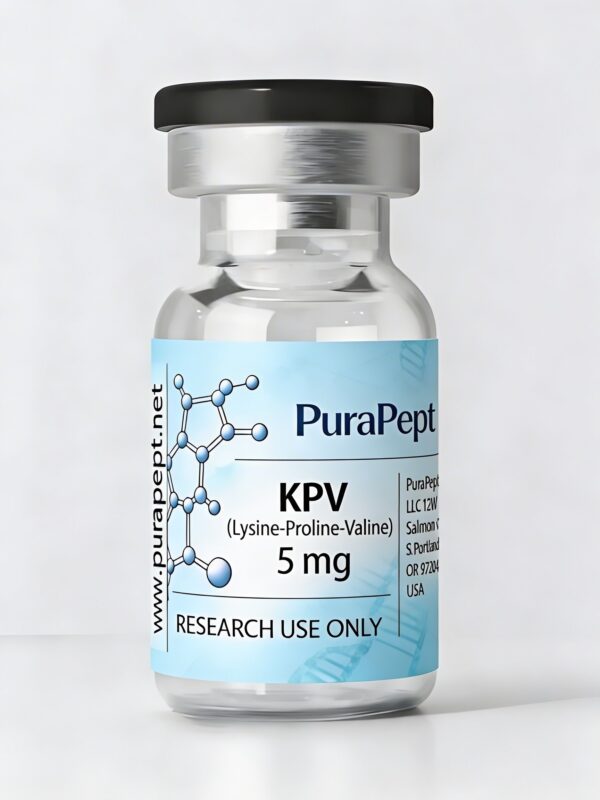
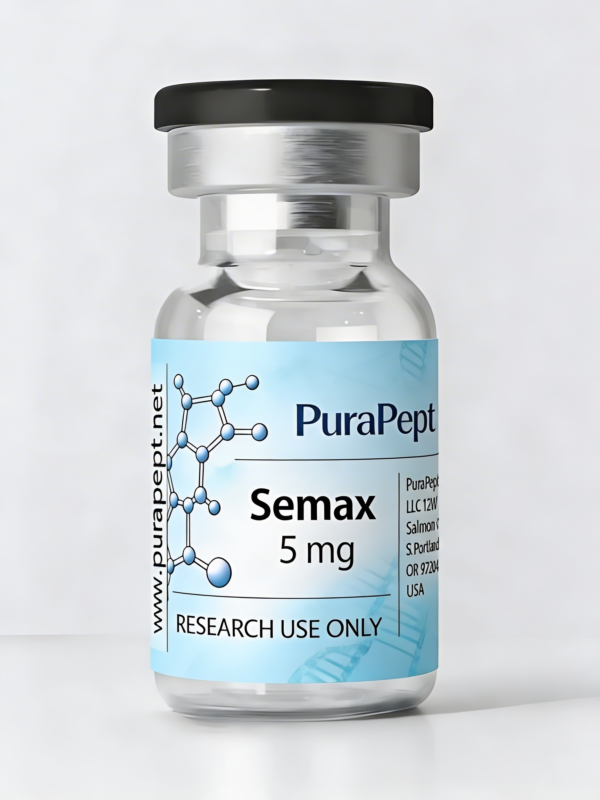
KPV (Lysine-Proline-Valine) is the final three amino acids of alpha-MSH, studied for anti-inflammatory activity, as described in our guide to Thymosin Alpha-1, KPV and LL-37. Semax is built on a short fragment of ACTH and features in our guide to modafinil, Semax and Selank.
Melanotan I (afamelanotide): the selective analogue
Melanotan I is the older and more disciplined of the two melanotans. Chemically it is [Nle4, D-Phe7]-alpha-MSH: the full native sequence with two substitutions. Norleucine replaces an easily oxidised methionine, and a mirror-image D-phenylalanine makes the peptide resistant to enzymes and far more potent. The result is a linear peptide with a strong preference for MC1R and far fewer of the brain-driven effects seen with MT-2.
From sunless tan to licensed medicine
Researchers at the University of Arizona first described the compound in 1980, with a bold ambition: a tan without UV that might reduce skin cancer. It eventually found a more specific home. As afamelanotide (brand Scenesse) it was authorised in the EU in 2014 and by the US FDA in 2019 for adults with erythropoietic protoporphyria (EPP), a rare inherited disorder in which a light-sensitive molecule, protoporphyrin IX, builds up in the skin. For people with EPP, ordinary daylight, even through a window, can trigger severe burning pain. By raising eumelanin, afamelanotide extends the time patients can spend in light before symptoms begin.
The licensed product is a dissolving implant placed by clinicians at specialist centres. The one melanotan with regulatory approval earned it through formal trials in a defined patient group, not as a cosmetic tan.
What else afamelanotide has been studied for
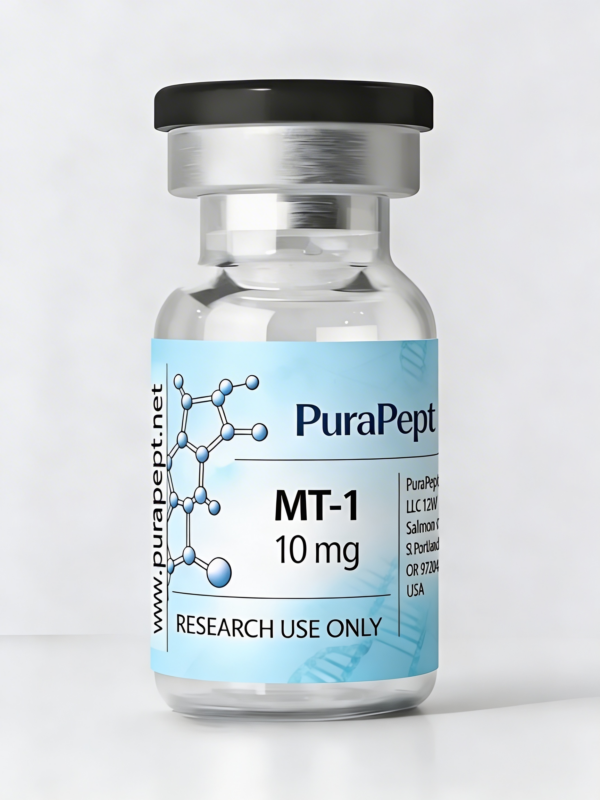
Because MC1R signalling is both pigmentary and anti-inflammatory, afamelanotide has also been investigated in polymorphic light eruption and, alongside phototherapy, in vitiligo. These remain research areas, not licensed uses. In the laboratory, MT-1 (Melanotan I) 10 mg is the selective reference compound for isolating MC1R effects from brain-mediated signalling.
Melanotan II explained: the non-selective melanocortin agonist
Where Melanotan I was engineered for precision, Melanotan II was engineered for power. It is a cyclic heptapeptide built around the His-D-Phe-Arg-Trp core and closed into a ring by a lactam bridge. Cyclisation locks the molecule into its active shape and shields it from enzymes, making it far more potent than the native hormone, while its compact size helps it reach receptors in the brain.
The trade-off is selectivity: MT-2 activates MC1R, MC3R, MC4R and MC5R. That breadth makes it one of the most widely used tools in melanocortin research, and it explains why people searching for “melanotan 2” are usually interested in one of three things: tanning, libido or appetite.
Tanning: how Melanotan 2 darkens skin
Through MC1R, the peptide stimulates melanocytes to produce more eumelanin. In small pilot studies at the University of Arizona in the 1990s, volunteers developed measurable darkening, most visible on the face and upper body. Because melanin sits in skin cells that are gradually shed, the colour outlasts the peptide by a long way and fades slowly as the skin renews.
The caveat matters: a melanocortin tan is pigment, not sunscreen. It has not been shown to replace shade, clothing or sunscreen, and many users of unlicensed melanotan add sunbeds to “activate” the colour, multiplying exposure to UV tanning devices, which the World Health Organization’s cancer agency classifies as carcinogenic to humans.
Libido and erectile function research
The most famous discovery about Melanotan II was accidental. Early volunteers reported spontaneous erections, together with yawning and stretching, effects traced to MC3R and MC4R in the brain and spinal cord. Small placebo-controlled studies in men with erectile dysfunction in the late 1990s then reported erectile responses, and animal research indicates the effect begins in hypothalamic arousal circuits rather than in the blood vessels. That finding eventually led to PT-141.
Appetite and the MC4R connection
In rodent research, MTII (as the literature writes it) is a standard tool for switching MC4R on: it reduces food intake and body weight, and the effect disappears in animals lacking the receptor. Setmelanotide, a selective MC4R agonist licensed for rare genetic forms of obesity, has since confirmed the pathway’s clinical relevance. Tellingly, its label lists skin darkening, nausea and spontaneous erections among side effects: the same melanocortin signature in a different package. The appetite peptides most people know work through different hormones entirely, as our semaglutide vs tirzepatide guide explains, while ghrelin mimetics push hunger the other way, as covered in GHRP-2 vs GHRP-6.
Why breadth cuts both ways
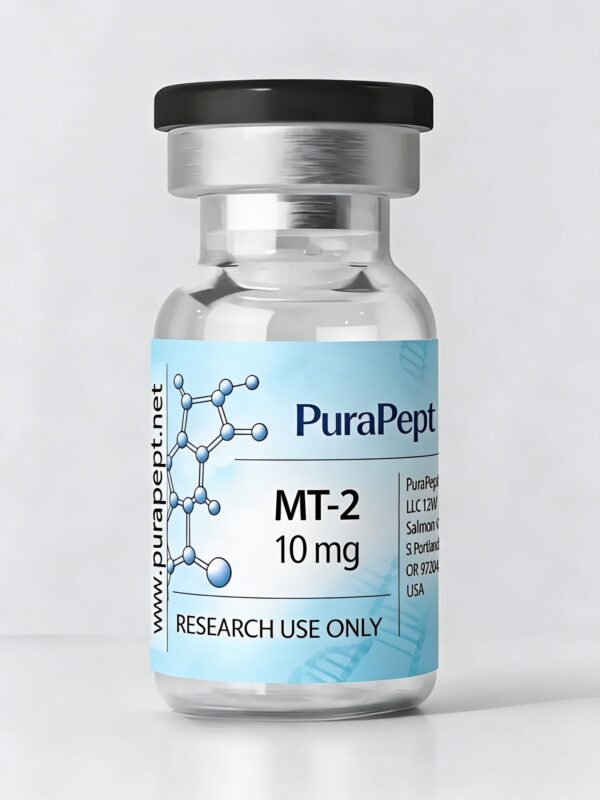
For a researcher, non-selectivity is useful: MT-2 (Melanotan II) 10 mg probes pigmentary, appetite and sexual pathways in one system and is routinely paired with Melanotan I to separate MC1R from MC4R effects. On the human side, the same breadth means you cannot pick one effect and leave the rest. Melanotan II has never been approved as a medicine anywhere, so there is no regulated label and no long-term safety dataset.
PT-141 (bremelanotide): from Melanotan II to a licensed medicine
PT-141 is what you get when you take MT-2 and set aside its tanning ambitions. Bremelanotide is an active metabolite that differs by a single chemical group: where its parent ends in an amide, bremelanotide ends in a free carboxylic acid. That small change shifts the profile towards the central receptors, MC4R and MC3R, although pigment effects do not vanish entirely.
A winding route to approval
Bremelanotide was first developed as a nasal spray for erectile dysfunction, including in men who had not responded well to PDE5 inhibitors. That programme stalled when blood pressure increases emerged, and development moved to an injectable form for women with low desire. In 2019 the US FDA approved it as Vyleesi, an autoinjector for premenopausal women with acquired, generalised hypoactive sexual desire disorder (HSDD): persistently low desire that causes distress and is not explained by another condition, relationship problem or medicine. It is designed for on-demand rather than daily use, and it is not a licensed medicine in most of Europe.
Approval rested on two Phase 3 trials known as RECONNECT, in which women using bremelanotide reported statistically significant improvements in desire and reduced distress compared with placebo. The gains were modest, and the trials did not show a significant increase in satisfying sexual events: an honest reminder that desire is shaped by many factors.
Desire, not blood flow: PT-141 vs PDE5 inhibitors
This is the point most people miss. Sildenafil, tadalafil, vardenafil and avanafil amplify the nitric oxide signal that lets blood fill erectile tissue. They need sexual stimulation to work and do nothing for desire itself; if the mechanics fail but desire is intact, they are the relevant class, and our comparison of sildenafil, tadalafil, vardenafil and avanafil explains which fits which situation.
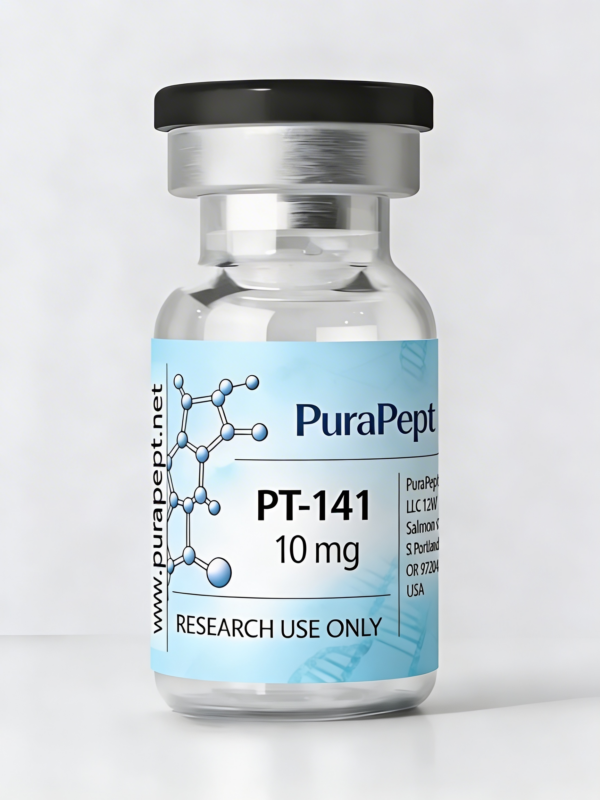
PT-141 works upstream. Animal research suggests MC4R activation in the hypothalamus, including the medial preoptic area, increases dopamine release in pathways linked to sexual motivation. In plain terms, it acts on wanting rather than plumbing, which is why PT-141 (Bremelanotide) 10 mg is studied as a central rather than vascular agent.
| Feature | PT-141 (bremelanotide) | PDE5 inhibitors (sildenafil, tadalafil) |
|---|---|---|
| Site of action | Brain: MC4R and MC3R | Blood vessels in erectile tissue |
| Problem addressed | Low desire (US licence: HSDD in premenopausal women) | Erectile dysfunction |
| Needs sexual stimulation | Acts on motivation itself | Yes |
| Common side effects | Nausea, flushing, headache, transient blood pressure rise | Headache, flushing, nasal congestion, indigestion |
| Key interaction concern | Slows gastric emptying; can reduce absorption of some oral medicines | Nitrates and some blood pressure medicines |
| Status in Europe | Not licensed in most of Europe | Licensed, generally prescription-only |
Desire, erection and control are separate systems
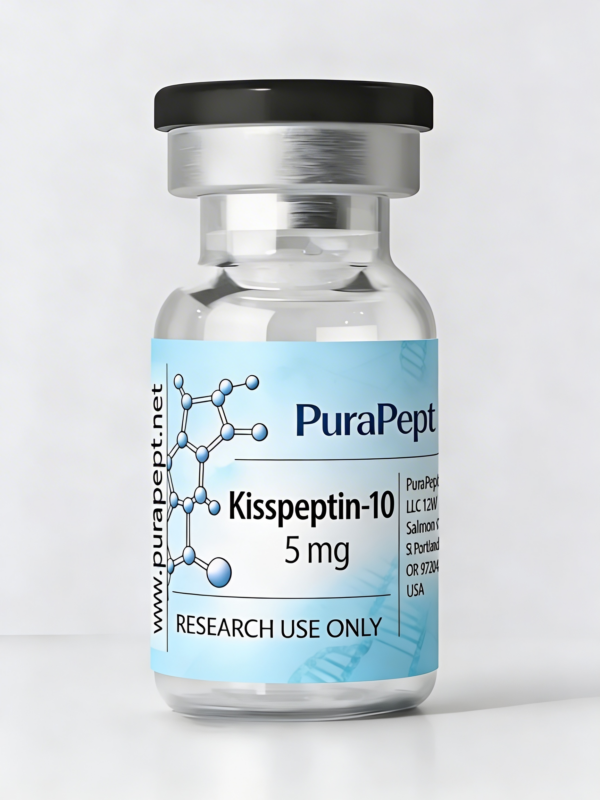
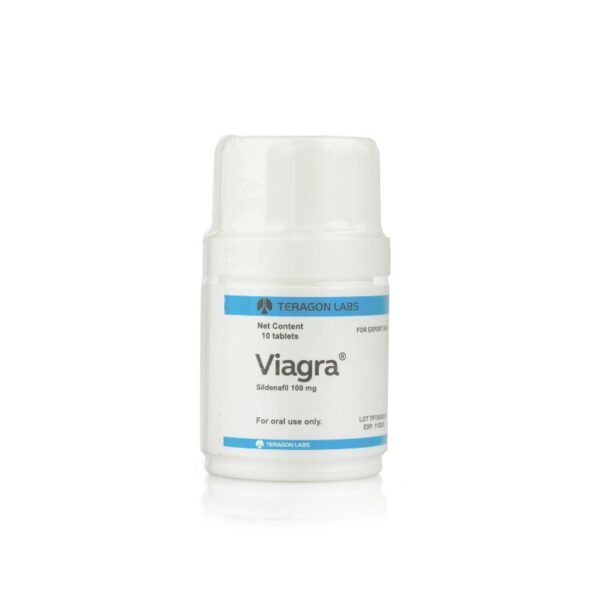
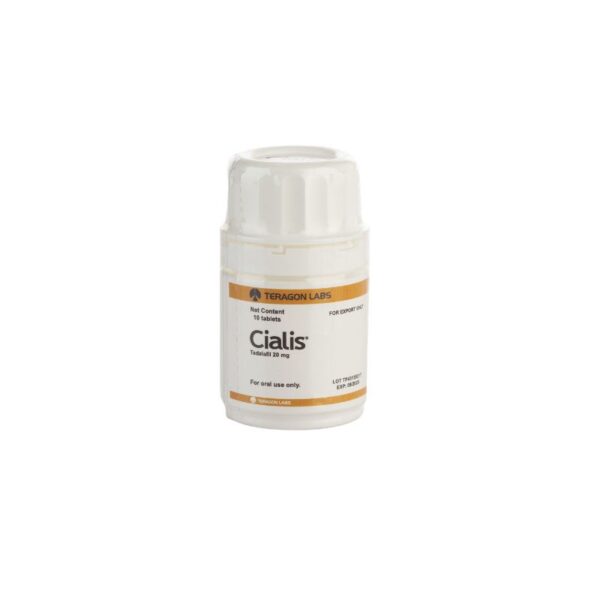
Premature ejaculation is a different problem again, as our dapoxetine guide explains. Hormones matter too: kisspeptin’s effects on sexual brain processing are covered in our gonadorelin, HCG and kisspeptin guide and reflected in research-grade Kisspeptin-10. Where the issue is purely mechanical, our sexual wellness range carries PDE5 inhibitors such as Viagra 100 mg (sildenafil) and Cialis 20 mg (tadalafil). Combining any of these with melanocortins, nitrates or blood pressure medicines is a decision for a doctor.
Melanotan 1 vs 2 vs PT-141: the full comparison
“Melanotan 1 vs 2” is one of the most common questions in this space, and PT-141 completes the trio. Here are the differences that matter.
| Feature | Melanotan I (afamelanotide) | Melanotan II | PT-141 (bremelanotide) |
|---|---|---|---|
| Structure | Linear 13-amino-acid analogue | Cyclic lactam heptapeptide | Cyclic heptapeptide; MT-2 without the terminal amide |
| Receptor profile | Mainly MC1R | Non-selective: MC1R, MC3R, MC4R, MC5R | Mainly MC4R and MC3R |
| Main effects studied | Pigmentation, photoprotection | Pigmentation, arousal, appetite | Sexual desire and arousal |
| Pigment effect | Gradual, even darkening | Marked, including moles and freckles | Less pronounced; focal darkening reported |
| Central side effects | Fewer; nausea, headache | Common: nausea, flushing, yawning, spontaneous erections | Common: nausea, flushing, transient blood pressure rise |
| Regulatory status | Scenesse for EPP (EU 2014, US 2019) | Never approved anywhere | Vyleesi for HSDD (US, 2019) |
| Research role | Selective MC1R reference | Broad melanocortin probe | Central melanocortin probe |
Which question does each compound answer?
Think of the three as a graded set of tools: Melanotan I isolates the skin, Melanotan II switches on the whole system, PT-141 narrows the focus to the brain. If MT-2 produces a response that MT-1 does not, MC1R is unlikely to explain it. That logic is why all three sit side by side in our research peptides collection.
Why Melanotan II gets most of the attention
It is the one marketed most aggressively online as a cosmetic, under nicknames such as the “Barbie drug” and the “tanning jab”. That popularity has nothing to do with evidence: it is the only one of the three never to complete a regulatory approval, and the one with the broadest side-effect profile.
Why melanocortin peptides attract so much interest
It is easy to dismiss this category as vanity chemistry. The science says otherwise: the careful, conscious user is responding to real biology.
Fair skin that burns rather than tans
For people with very fair skin and MC1R variants, the sun is a problem from the first day of summer. Building eumelanin through receptor signalling rather than repeated burns is scientifically coherent; it is the principle that made afamelanotide valuable in EPP. What has not been shown is that an unlicensed melanotan tan substitutes for sun protection, so the rational position is curiosity combined with sunscreen and regular skin checks.
Desire as a biological target
For decades sexual medicine treated the mechanics and ignored motivation. Melanocortin research helped show that desire has its own neurochemistry, and bremelanotide became one of only two medicines licensed in the US for low desire in premenopausal women, the other being flibanserin: a genuine milestone in an under-researched field.
Appetite, energy and inflammation
MC4R is one of the best-validated targets in obesity biology, which keeps MT-2 relevant to metabolic researchers alongside fat-metabolism tools covered in our AOD-9604 guide. MC1R and MC3R also sit on immune cells, and alpha-MSH has well-documented anti-inflammatory effects in laboratory models, linking this family to the repair-focused compounds in our BPC-157 and TB-500 recovery peptides guide.
Side effects and risk management
Melanocortin side effects follow the receptors: MC1R drives the pigment effects, MC3R and MC4R the nausea, flushing, arousal and cardiovascular effects. The licensed medicines provide the most reliable data; for unlicensed Melanotan II the evidence comes from small early studies, case reports and regulator warnings. Here is the honest picture.
Nausea, flushing and yawning
Nausea is the signature side effect of the class. It was the most common adverse reaction in the bremelanotide trials and a leading reason participants stopped, and it was prominent in early MT-2 studies. Flushing, headache, vomiting and a characteristic yawning-and-stretching response are also reported, usually fading over hours.
Blood pressure and heart rate
MC4R activation increases sympathetic activity. The bremelanotide label describes a transient rise in blood pressure and fall in heart rate after each use, and the medicine is contraindicated in uncontrolled hypertension and known cardiovascular disease. Melanotan II reaches MC4R at least as readily but has no label at all, so for anyone with high blood pressure or heart disease this is a decisive consideration.
Spontaneous erections and priapism
Unwanted erections are a recognised effect of MT-2. Prolonged, painful erections (priapism) have been described in case reports and are a medical emergency, because untreated priapism can permanently damage erectile tissue.
Moles, freckles and why dermatology checks matter
This is the risk that deserves the most attention. Melanocortins stimulate melanocytes everywhere, including those in moles. Dermatologists have published case reports of moles darkening and changing shape, new moles erupting within a short period, and melanomas diagnosed in melanotan users. A causal link has not been established, since sunbed use and fair skin are powerful confounders, but stimulated melanocytes plus UV exposure plus a darker background that hides changes is exactly what worries skin specialists. The bremelanotide label also describes focal darkening of the face, gums and breasts that did not always resolve after stopping.
The careful user treats skin surveillance as non-negotiable: a full-body examination and mole mapping or dermoscopy as a baseline, then prompt review of any mole showing the ABCDE warning signs (asymmetry, irregular border, uneven colour, growing diameter, evolution over time). A personal or family history of melanoma, or many atypical moles, is a strong reason to avoid this class entirely.
Rare but serious reports
Isolated case reports have linked unlicensed Melanotan II to rhabdomyolysis (muscle breakdown), kidney injury and severe sympathetic overstimulation. With grey-market products it is often impossible to know what was actually used, but these reports belong in an honest account, as does the infection risk of injecting anything of unknown origin.
What the careful user monitors
- Skin: a dermatologist’s examination at baseline and at regular intervals, with mole photographs for comparison.
- Blood pressure and resting heart rate, measured at home and logged against a baseline.
- Routine bloodwork: kidney and liver function and a full blood count, plus creatine kinase if unexplained muscle pain appears.
- Interactions with blood pressure medicines, nitrates, PDE5 inhibitors and oral medicines that depend on steady absorption.
- Warning symptoms needing urgent care: an erection that will not subside, chest pain, severe headache, dark urine or marked muscle pain.
Why a doctor belongs in the picture
A doctor can assess cardiovascular risk, arrange a dermatological baseline, review interactions and decide whether any melanocortin is appropriate at all. Where a licensed option exists, dose and duration are set by the prescriber, not a forum. Athletes in tested sport should note that WADA’s prohibited list covers substances with no current regulatory approval for human therapeutic use, which includes MT-2. None of this is for beginners or teenagers: never under 18, and pregnancy and breastfeeding are clear reasons to stay away.
What regulators say about tanning injections
Unlicensed melanotan has been on regulators’ radar for well over a decade. Medicines regulators including the UK’s MHRA and Ireland’s HPRA have issued repeated public warnings about so-called tanning injections and, more recently, tanning nasal sprays promoted on social media. Their concerns are consistent:
- The products are unlicensed: no regulator has assessed their quality, effectiveness or side effects for cosmetic tanning.
- There is no assurance that the contents match the label or were made under sterile conditions.
- Self-injection with improvised equipment carries a real risk of infection.
- Nasal sprays deliver an unpredictable amount, making exposure even harder to judge.
The careful user takes this seriously: the warnings describe precisely the gap between a research compound and a supervised medicine.
Why authenticity matters with melanocortin peptides
The online market for melanotan is large and poorly controlled, and with this family quality failures are unusually hard to detect:
- MT-2 and PT-141 are near-twins. They differ by a single terminal group, roughly one dalton in molecular mass. A vial labelled as one can contain the other, and only proper analytical testing will tell.
- Underfilled vials are common on the grey market. A vial holding a fraction of its stated content makes any research result meaningless.
- Cyclic peptides depend on their ring. If the lactam bridge is not formed correctly, the molecule no longer behaves as the literature describes.
- Degradation is invisible. Heat, light and moisture break peptides down while the powder looks identical.
For research, impure material does not just waste money; it invalidates the result. That is why every vial in our PuraPept peptide line is sealed and tamper-evident, EU-manufactured, batch-tested for identity and purity, and traceable to the manufacturer’s lot, with discreet, tracked EU delivery in plain packaging. Whether your work calls for selective Melanotan I, non-selective Melanotan II or centrally acting bremelanotide, the standard is the same across our research compounds category.
Frequently asked questions
What is Melanotan II?
Melanotan II is a synthetic, cyclic analogue of alpha-melanocyte-stimulating hormone developed at the University of Arizona. It activates several melanocortin receptors, including MC1R in the skin and MC3R and MC4R in the brain, so it has been studied for tanning, sexual function and appetite. It has never been approved as a medicine, and Rogue supplies it for laboratory research only.
What is the difference between Melanotan 1 and 2?
Melanotan I is a linear peptide acting mainly on MC1R, so its effects centre on pigment; it is licensed as afamelanotide for erythropoietic protoporphyria. Melanotan 2 is a smaller cyclic peptide that also reaches MC3R, MC4R and MC5R, adding effects on arousal, appetite and blood pressure, along with more nausea and flushing.
Is PT-141 the same as Melanotan II?
No, although they are closely related. Bremelanotide is an active metabolite lacking the terminal amide group, which shifts its activity towards MC4R and MC3R in the brain. It is licensed in the US as Vyleesi for low sexual desire in premenopausal women, whereas its parent compound has never been approved anywhere.
Does bremelanotide work like Viagra?
No. Sildenafil and other PDE5 inhibitors improve blood flow to erectile tissue and need sexual stimulation; they do not change desire. Bremelanotide acts on melanocortin receptors in the brain and was approved specifically for low desire, with different side effects and interactions.
Can Melanotan 2 cause moles or skin cancer?
Case reports describe darkening and changing moles, new moles appearing quickly and melanomas diagnosed in melanotan users. A causal link to melanoma has not been proven, partly because many users also use sunbeds, but a dermatologist’s baseline check and regular follow-up are essential.
Why does Melanotan II cause nausea?
The nausea comes from melanocortin receptors in the brain and brainstem, mainly MC4R, rather than from the stomach. It is the most common side effect across the class, including with licensed bremelanotide, and often comes with flushing, headache and yawning.
Is Melanotan II approved in Europe?
No. It has no marketing authorisation as a medicine in Europe or anywhere else, and regulators have warned against unlicensed tanning injections and sprays. Only afamelanotide, the licensed form of Melanotan I, is authorised in the EU, and only for erythropoietic protoporphyria.
The bottom line on Melanotan II, Melanotan I and PT-141
The melanocortin system is one of the most elegant in human biology: one precursor, five receptors and effects that span skin, appetite, desire and cardiovascular tone. Melanotan I narrowed that system to the skin and became a licensed medicine for a rare light-sensitivity disorder. Melanotan II switched the whole system on, making it a powerful research probe and a problematic cosmetic. PT-141 narrowed the focus to the brain and became the first melanocortin licensed for sexual desire. The careful, conscious user respects both the promise and the risks, with a dermatologist and a doctor firmly in the loop.
Rogue’s peptides are sold for research purposes only and are not for human consumption. When identity, batch traceability and discreet EU delivery matter, explore the full Rogue peptides collection, from MT-2 (Melanotan II) to PT-141 (bremelanotide), and build your research on material you can trust.
This article is for educational purposes only and is not medical advice. Prescription medicines and performance compounds carry real risks; speak to a qualified doctor before using any of them, and never use them if you are under 18.
Products in this guide
-
 +45 Rogue Points
-
 +50 Rogue Points
-
 +40 Rogue Points
-
 From +35 Rogue Points
Semax
Price range: 35,00 € through 50,00 €Select options This product has multiple variants. The options may be chosen on the product page -
 +35 Rogue Points
-
 +35 Rogue Points
-
 Sexual Wellness
+34 Rogue Points
-
 Sexual Wellness
+34 Rogue Points
Keep reading
 Peptide Research
 Peptide Research
 Peptide Research