


DSIP Peptide: The Delta Sleep-Inducing Peptide Explained
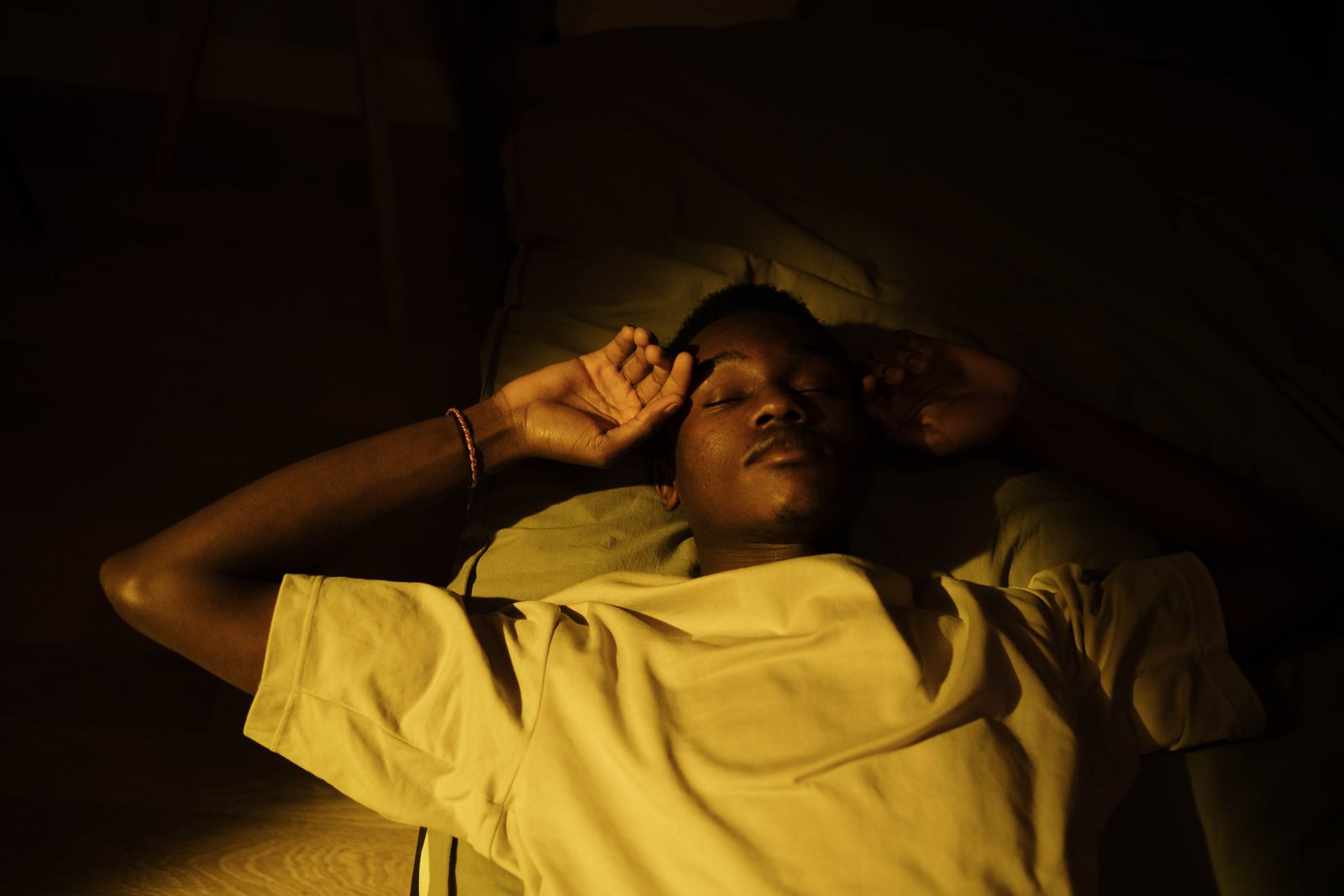
Sleep is the most powerful recovery tool anyone who trains has, so it is no surprise that one obscure neuropeptide keeps resurfacing in research catalogues and training forums alike. The DSIP peptide, short for delta sleep-inducing peptide, was isolated in the 1970s from the blood of sleeping rabbits and named after the slow, deep delta waves it appeared to bring on. Almost half a century later it remains one of the most intriguing and least resolved molecules in sleep science: a natural nine-amino-acid peptide with a striking origin story, a long list of reported effects and surprisingly few firm answers.
This guide covers how the DSIP peptide was discovered, what studies reported on sleep architecture, stress hormones and pain, why that evidence is mixed and dated, and how deep sleep connects to recovery and performance. We also compare it with the neuropeptides researchers study alongside it: Epithalon in pineal and circadian research, and Selank and Semax in stress and focus research.
One point before we begin. Rogue’s peptides are sold for research purposes only and are not for human consumption. DSIP is not a licensed medicine in the EU, much of the evidence below is preclinical or comes from small studies run decades ago, and nothing here is a protocol. Where the science is thin, we say so; where it is genuinely interesting, we explain why.
Key takeaways
- DSIP is a nine-amino-acid neuropeptide (Trp-Ala-Gly-Gly-Asp-Ala-Ser-Gly-Glu) characterised in 1977 by Schoenenberger and Monnier from the blood of rabbits in which sleep had been induced.
- Early rabbit studies reported more delta and spindle activity on the EEG; later animal and human studies produced mixed results that depended heavily on timing and an unusual inverted-U response.
- Research on the DSIP peptide reaches beyond sleep: stress hormones, pain, withdrawal, thermoregulation and blood–brain barrier transport.
- The basics remain unresolved: no confirmed receptor or precursor gene, and breakdown in blood within minutes.
- Deep sleep matters enormously for recovery, but sleep habits and medical assessment come first.
- Epithalon (circadian research), Selank (stress pathways) and Semax (focus) are related tools with different targets and evidence.
- A short peptide is easy to underfill or mis-synthesise, so sealed, batch-tested, traceable vials are the only sensible start.
What is DSIP peptide? The delta sleep-inducing peptide explained
DSIP is an endogenous neuropeptide, meaning that it, or something very close to it, appears to occur naturally in mammals. It is a nonapeptide, a chain of nine amino acids: tryptophan, alanine, glycine, glycine, aspartic acid, alanine, serine, glycine and glutamic acid. Small, water-soluble and straightforward to synthesise, it became a standard research tool soon after its sequence was published.
A peptide named after a brainwave
The “delta” in its name refers to delta waves, the slow, high-amplitude electrical rhythms (roughly 0.5 to 4 hertz) that dominate the deepest stage of non-REM sleep, often called slow-wave sleep. The discoverers named the peptide after the EEG pattern it appeared to induce. That name has shaped its reputation ever since: it makes the DSIP peptide sound like a simple sleep switch, which, as you will see, it is not.
An orphan without a confirmed receptor
Here is the first puzzle. Most signalling peptides have a known gene that encodes them and a receptor they act on. DSIP has neither confirmed. No specific DSIP receptor has been identified and no precursor gene producing the exact sequence has been established, so scientists have long debated whether DSIP is a hormone in its own right, a fragment of a larger protein, or a marker of something more complex. Intriguingly, antibodies raised against DSIP were later found to recognise a protein now known as glucocorticoid-induced leucine zipper (GILZ), a regulator switched on by stress hormones. Whether that connection explains any of DSIP’s reported effects on stress remains an open question.
Where DSIP-like activity is found
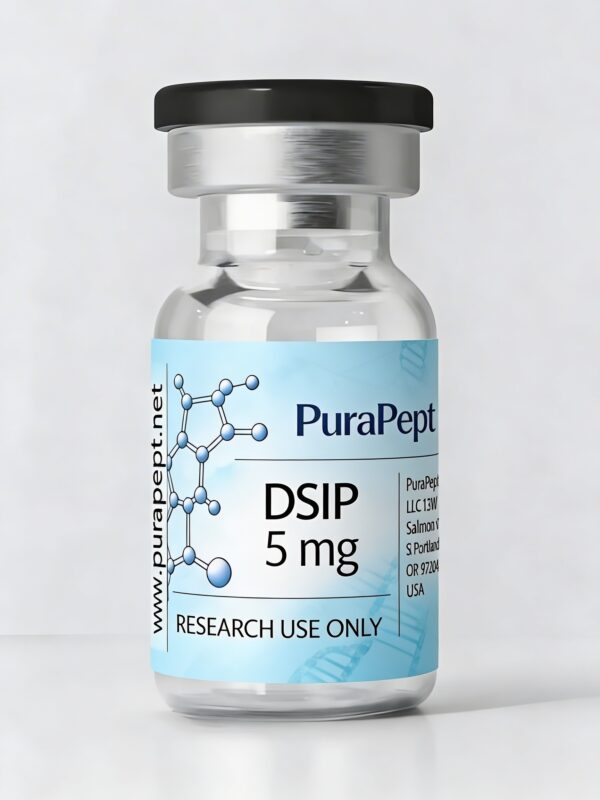
Researchers have reported DSIP-like immunoreactivity in the hypothalamus, limbic system and pituitary, and in plasma, cerebrospinal fluid and several peripheral organs, with plasma levels that vary across the day. The DSIP peptide is also one of the small peptides documented to cross the blood–brain barrier in animal studies, albeit in small amounts, so it remains a model compound in CNS transport research. Those are the research areas listed for our DSIP 5 mg research vial: sleep architecture, circadian regulation, stress-response neurobiology and blood–brain barrier transport.
The discovery: Monnier, Schoenenberger and the sleeping rabbits
The story begins with an old question: is sleep driven purely by nerve circuits, or by a chemical “sleep substance” that builds up in the body? In the early twentieth century, researchers in France and Japan independently reported that cerebrospinal fluid from sleep-deprived dogs could make rested dogs sleepy, and the hunt for the molecule responsible began.
Blood from a sleeping brain
In Basel, the Swiss physiologist Marcel Monnier and his colleagues took a direct approach. Rabbits were put to sleep by low-frequency electrical stimulation of the thalamus, a technique that produces sleep-like EEG patterns, and blood draining from their brains was collected and dialysed. When the dialysate was infused into awake recipient rabbits, the recipients showed more delta and spindle activity on their EEG.
The 1977 characterisation
Working with Schoenenberger, the team purified the active factor, and in 1977 Schoenenberger and Monnier published the characterisation of a delta-sleep-inducing nonapeptide together with its sequence. Synthetic versions followed quickly, freeing laboratories from rabbit blood, and research on the DSIP peptide flourished through the late 1970s and 1980s.
Why the name both helps and misleads
As research progressed, the DSIP peptide behaved less like a sedative and more like a modulator, with effects that varied by species, time of day and the amount studied. Many researchers came to see sleep as one output of a broader regulatory role, which is why later work spread into stress physiology, pain and endocrinology.
DSIP and sleep: what the studies actually reported
To read the DSIP sleep research properly, it helps to know how sleep is measured. A night moves through repeating cycles: light non-REM sleep (stages N1 and N2, where sleep spindles appear), deep non-REM or slow-wave sleep (N3, dominated by delta waves) and REM sleep, the dream-rich stage. Each cycle lasts roughly 90 minutes, and slow-wave sleep is concentrated in the first half of the night. “Sleep architecture” describes how that night is built: time to fall asleep, time in each stage and how often you wake.
Animal EEG studies
The original rabbit work reported increased delta and spindle activity, and some later studies in rabbits, rats and cats described more slow-wave sleep, more REM sleep, or both. Others found nothing. Several groups reported a bell-shaped, or inverted-U, response: modest amounts produced effects that larger amounts did not. Time of day mattered too, with some studies finding effects only at particular points in the animal’s rest-activity rhythm. Russian groups kept studying DSIP for decades, mostly in stress and adaptation models.
Human sleep studies in the 1980s
Human research was conducted mainly in Switzerland and Germany in the 1980s, in small groups of healthy volunteers and people with chronic insomnia. Some double-blind studies reported better sleep efficiency and subjective sleep quality than placebo, and investigators noted that DSIP did not sedate the way a hypnotic drug does. Instead, in some participants it seemed to normalise a disturbed sleep pattern, sometimes over several nights rather than immediately. Other studies found little or no difference from placebo.
So, does DSIP help you sleep?
The honest answer is that nobody can say with confidence. The positive findings are genuine reports in the literature, but they come from small samples, older methods and outcomes that were not consistently replicated. Modern sleep medicine has not adopted DSIP, and no regulator in the EU or the US has approved it for any indication, which is why it remains a research compound.
Delta sleep-inducing peptide benefits: stress, pain and beyond
Search for delta sleep-inducing peptide benefits and you will find long lists. Some of those claims trace back to real research; others stretch it. Here is what the literature has actually examined, framed as what was studied and reported rather than what is proven.
Stress hormones and the HPA axis
The most consistent thread outside sleep is stress. In animal models, DSIP has been reported to blunt stress responses, including reduced corticotropin (ACTH) release, and Russian groups described it as “stress-protective” in rats exposed to emotional, cold or physical stressors. Researchers also reported effects on other pituitary signals, including luteinising hormone, growth hormone and somatostatin, though the direction and size of those effects varied between studies. The overall picture is of a peptide that talks to the neuroendocrine system, the link between brain and hormonal glands, rather than a single-purpose sleep signal.
Pain and the opioid connection
Animal studies reported that DSIP could reduce pain responses, and some of those effects were reversed by naloxone, an opioid blocker, suggesting an interaction with the body’s own opioid systems. Small clinical studies in the 1980s explored DSIP in people with chronic pain and reported improvements in pain and mood in some participants. They were small and not all were controlled, so they point to a mechanism worth studying rather than an established effect.
Withdrawal research
The opioid link led researchers to examine DSIP in alcohol and opiate withdrawal. Early open studies reported that symptoms eased faster in some patients, but without rigorous placebo-controlled replication these findings remain historical curiosities rather than clinical knowledge. Withdrawal is a medical situation that needs medical supervision.
Other reported effects
The wider literature reports changes in body temperature, blood pressure regulation in stressed animals, anticonvulsant activity in rodent seizure models, antioxidant effects and influences on circadian activity rhythms. None has matured into a validated therapeutic use, but that breadth is the appeal: the DSIP peptide is a probe for how the brain coordinates sleep, stress and energy balance.
Why the DSIP evidence is mixed and dated
Why is a peptide studied so heavily still so poorly understood? The answer is a combination of method, chemistry and timing.
Small studies and older methods
Most human research on the DSIP peptide took place in the 1980s, with few participants, varying sleep-scoring methods and limited control of age, caffeine, light exposure and baseline sleep quality. By the standards of modern sleep research, with standardised scoring, larger samples and pre-registered outcomes, those studies are suggestive at best.
Rapid breakdown in blood
In laboratory tests, DSIP is degraded by blood enzymes within minutes, so its plasma half-life is very short. Some evidence suggests part of it circulates bound to carrier proteins, which may protect it, and a phosphorylated form has been described as more stable or more potent. Still, a short-lived peptide with uncertain transport into the brain makes results highly sensitive to timing, route and handling, all of which differed between laboratories.
Failed replications and an unresolved riddle
Some groups replicated sleep effects; others could not. The inverted-U response, the time-of-day dependence and the missing receptor made a decisive experiment hard to design. By the 2000s reviewers were describing DSIP as a still unresolved riddle, and attention had shifted to better-characterised sleep regulators such as adenosine, orexin (hypocretin), GHRH and melatonin. Orexin research went on to produce a new class of approved insomnia medicines, the orexin receptor antagonists.
What that means for the careful researcher
None of this makes the DSIP peptide uninteresting; it makes it an open question, which is what research compounds are for. The careful researcher reads the old literature critically, uses authenticated material and treats any single positive study as a hypothesis, not a conclusion.
Sleep, recovery and training: why the question matters
Interest in the DSIP peptide among people who train is no accident. Sleep is when much of the adaptation to training is consolidated, and deep sleep is tightly linked to the hormones that drive recovery.
What deep sleep does for an athlete
Slow-wave sleep is associated with the largest growth hormone pulse of the day, which typically follows sleep onset. Testosterone rises during sleep and peaks around waking, while cortisol, the main stress hormone, reaches its lowest point early in the night. Sleep also supports glucose regulation, appetite control, mood and the memory consolidation that turns practice into skill. In a well-known Stanford study, college basketball players who extended their sleep posted faster sprint times and better shooting accuracy.
What sleep loss costs
Research on sleep restriction has shown measurable falls in daytime testosterone in young men after a single week of short nights, along with reduced insulin sensitivity, higher evening cortisol and stronger hunger signals. If you have read our testosterone esters guide, you already know how sensitive the hormonal axis is; sleep is one of its biggest levers.
The growth hormone connection
Sleep and the growth hormone axis influence each other in both directions. GHRH, the hypothalamic hormone that stimulates GH release, has been shown to promote non-REM sleep in animal and human research, which is part of why secretagogues interest sleep researchers. Our guide to CJC-1295, ipamorelin and the GH peptides explains that axis in depth, and the GHRP-2 vs GHRP-6 comparison covers the ghrelin-mimetic side. Recovery-focused researchers often read these alongside our overview of BPC-157, TB-500 and the recovery peptides.
Foundations first
No peptide compensates for poor sleep habits. The careful, conscious user starts with fundamentals that have strong evidence behind them: consistent sleep and wake times, morning daylight, a cool, dark bedroom, caffeine kept to the earlier part of the day and little alcohol, which fragments later sleep. Loud snoring, gasping or daytime sleepiness despite enough time in bed can signal obstructive sleep apnoea, more common in men and in people with a higher body weight, which deserves a proper sleep study. Tirzepatide has been approved in the US for obstructive sleep apnoea in adults with obesity, a story covered in our semaglutide vs tirzepatide guide. Chronic insomnia has an effective first-line treatment too: cognitive behavioural therapy for insomnia (CBT-I), recommended by European sleep guidelines.
DSIP vs Epithalon, Selank and Semax: how the neuropeptides compare
The DSIP peptide is often researched alongside a small group of short neuropeptides, most with Russian research heritage. They are related in spirit but target different systems and rest on different evidence.
Epithalon: the pineal and circadian angle
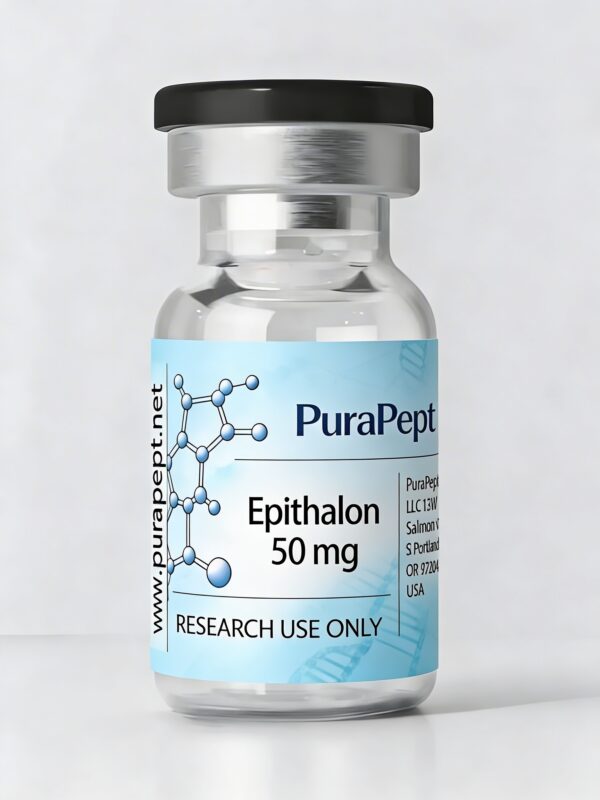
Epithalon 50 mg (also written epitalon) is a synthetic tetrapeptide (Ala-Glu-Asp-Gly) developed by Vladimir Khavinson’s group in St Petersburg as a defined version of epithalamin, a pineal gland extract. Because the pineal gland produces melatonin, Epithalon research overlaps with circadian biology: studies in aged animals reported a more youthful night-time melatonin rhythm, and cell-culture work reported increased telomerase activity in human cells. Most of this work comes from one research school, with limited independent replication. Where DSIP is studied for sleep regulation, Epithalon is studied for the clock and ageing.
Selank: stress without sedation
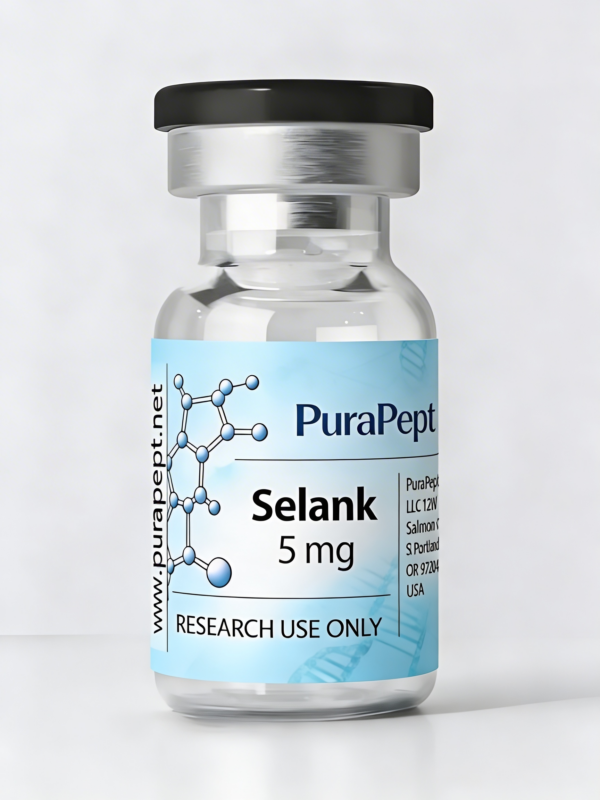
Selank 5 mg is a heptapeptide analogue of tuftsin, an immune peptide, extended with Pro-Gly-Pro for stability. Developed at the Institute of Molecular Genetics in Moscow, it is registered as a medicine in Russia but not approved in the EU. Research has examined GABAergic and serotonergic signalling, BDNF expression and inhibition of the enzymes that break down enkephalins, the body’s own opioid peptides, which echoes DSIP’s opioid link. Small Russian clinical studies in anxiety reported calming effects without benzodiazepine-style sedation, which makes Selank the natural stress-response comparator.
Semax: focus and neurotrophins
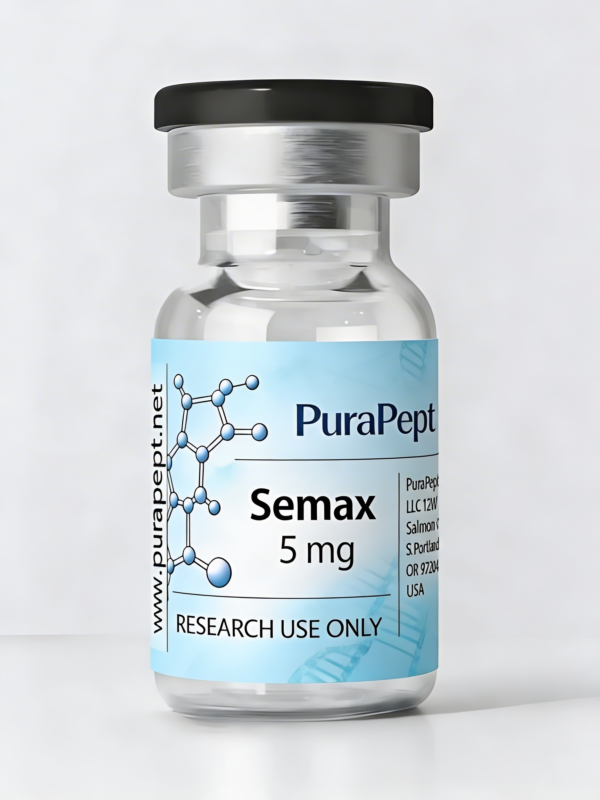
Semax 5 mg comes from the same institute and is built on the ACTH(4-7) fragment plus Pro-Gly-Pro, keeping neurotropic activity without the hormone’s effect on the adrenal glands. Registered in Russia but not in the EU, it has been studied for BDNF and NGF expression, attention and memory in animal models, and neuroprotection after ischaemic injury. Where DSIP leans towards rest and stress damping, Semax leans towards alertness, a natural contrast for anyone studying the balance between rest and arousal.
Melatonin and VIP: the circadian reference points
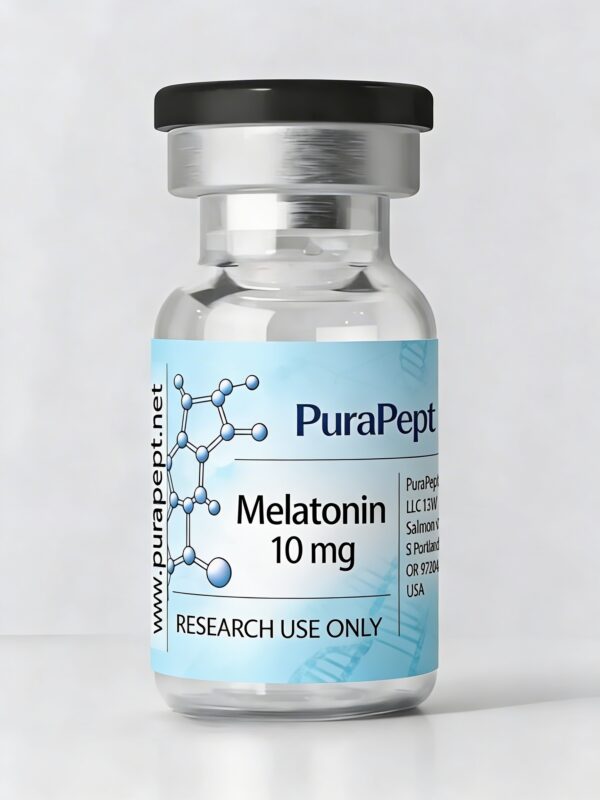
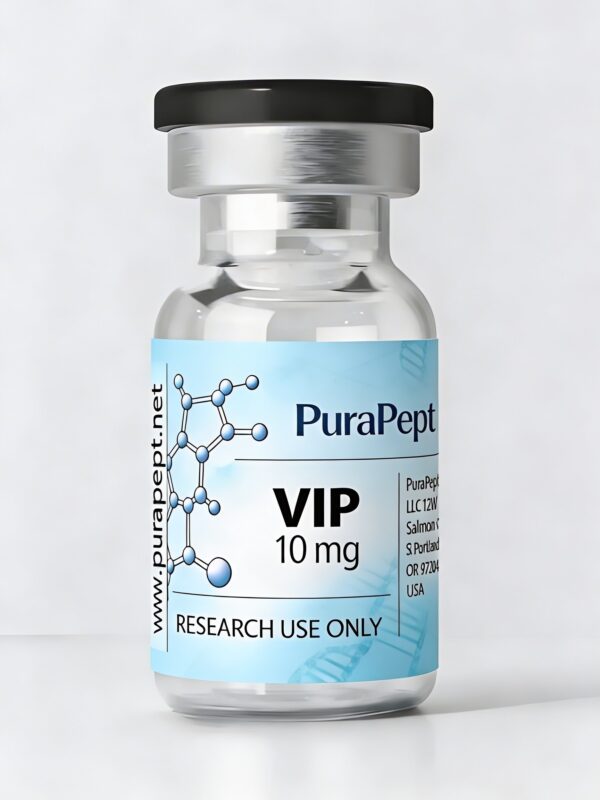
Melatonin 10 mg is the pineal hormone that signals darkness to the body’s clock, the reference compound of chronobiology. VIP 10 mg (vasoactive intestinal peptide) helps keep neurons of the suprachiasmatic nucleus, the brain’s master clock, synchronised, and has been reported to influence REM sleep in rodent studies.
| Compound | Structure and origin | Main research focus | Evidence base | Status |
|---|---|---|---|---|
| DSIP | Nonapeptide, isolated from rabbit blood (1977) | Sleep architecture, stress hormones, pain, BBB transport | Animal studies and small 1980s human studies; mixed and dated | Not an approved medicine; research use |
| Epithalon | Synthetic tetrapeptide based on a pineal extract | Melatonin rhythm, telomere biology, ageing | Mostly cell and animal work from one research school | Not an approved medicine; research use |
| Selank | Heptapeptide, stabilised tuftsin analogue | Anxiety pathways, GABA and serotonin signalling, BDNF | Animal studies plus small Russian clinical studies | Registered in Russia; not approved in the EU |
| Semax | Heptapeptide, ACTH(4-7) plus Pro-Gly-Pro | Attention, memory, neurotrophins, neuroprotection | Animal studies plus Russian clinical use | Registered in Russia; not approved in the EU |
| Melatonin | Indoleamine hormone from the pineal gland | Circadian timing, sleep onset, MT1/MT2 pharmacology | Large body of human research | Licensed prescription products exist in the EU; Rogue’s vial is research-grade |
| VIP | 28-amino-acid neuropeptide | Clock synchronisation, REM sleep, vascular and gut signalling | Extensive animal and physiological research | Research use |
Side effects and risk management
Because DSIP has never gone through modern clinical development, its safety profile is largely unknown. Here is what can honestly be said.
What studies reported, and what they could not
The small human studies of the 1980s reported few adverse effects. But small, short studies cannot detect uncommon or long-term harms, so an absence of reported problems is not evidence of safety. Open questions include long-term effects on pituitary hormones such as ACTH and LH, interactions with sedatives, alcohol, opioids and antidepressants, what deeper sleep might mean for someone with untreated sleep apnoea, and the risks of impurities or contamination in unverified material.
What the careful user monitors
Sleep, stress and recovery questions belong with a doctor and proper diagnostics, not guesswork. The markers that matter most:
- A sleep assessment first: a sleep diary and, where indicated, a sleep study to rule out obstructive sleep apnoea, restless legs or a circadian rhythm disorder.
- Morning cortisol and, where relevant, a fuller stress-hormone work-up, given DSIP’s reported influence on the HPA axis.
- Thyroid panel (TSH, free T4, free T3): an overactive thyroid is a classic cause of broken sleep, as our T3 and Cytomel guide explains.
- Total and free testosterone, LH and prolactin, since DSIP research reports pituitary effects and sleep itself shapes these hormones.
- Ferritin and iron studies, because low iron stores are linked to restless legs and fragmented sleep.
- Fasting glucose and HbA1c, as poor sleep and stress hormones both push glucose control the wrong way.
- Blood pressure and resting heart rate at home, plus a simple log of sleep quality, daytime alertness and mood.
Why a doctor belongs in the picture
Persistent poor sleep is a symptom, not a diagnosis. It can reflect sleep apnoea, depression, anxiety, thyroid disease, chronic pain, medication or overtraining, and a doctor can find the cause, check interactions and decide whether anything beyond behavioural treatment is appropriate at all. The careful user also knows the rules: DSIP is not a licensed medicine in the EU, and athletes in tested sport should know that WADA’s S0 category prohibits, at all times, pharmacological substances without current approval for human therapeutic use. None of this is for beginners, and never for anyone under 18.
Why authenticity matters with the DSIP peptide
A nine-amino-acid peptide is cheap to make badly. Grey-market research peptides regularly contain less than the label states, the wrong sequence, truncated by-products of incomplete synthesis or residues from poor purification. With DSIP, these problems are especially hard to spot:
- Single-residue errors are invisible. Swap or drop one amino acid and the powder looks identical; only mass spectrometry and HPLC reveal it.
- Small fills magnify shortfalls. A few milligrams leave little margin, so any underfill is proportionally large.
- Solutions degrade fast. DSIP is vulnerable to enzymatic breakdown and adsorption onto plastic, so pre-mixed, warm-shipped or repackaged products are a red flag.
Searching “DSIP kaufen” or “DSIP péptido”? What to check
Whether you search for DSIP kaufen in Germany, DSIP péptido in Spain or DSIP peptide in English, the listings look alike, so judge the supplier, not the photo. Every vial in our PuraPept peptide line is sealed and tamper-evident, EU-manufactured, batch-tested for identity and purity and traceable to the manufacturer’s lot, with discreet, tracked EU delivery in plain packaging. That standard applies to DSIP 5 mg and across our research compounds range.
Frequently asked questions
What is DSIP peptide used for in research?
The DSIP peptide is used as a reference neuropeptide in studies of sleep architecture, stress-hormone regulation, pain modulation, circadian rhythms and blood–brain barrier transport. Its endogenous origin makes it a useful naturally derived comparator. Rogue supplies it for laboratory research only.
Does DSIP actually help with sleep?
The evidence is mixed. Early rabbit studies and some small human trials in the 1980s reported more deep sleep or better sleep efficiency, but other studies found no effect, and results depended on timing. No modern, large trial has confirmed a benefit, and DSIP is not an approved sleep medicine in the EU.
What are the benefits of delta sleep-inducing peptide?
Reported findings include changes in slow-wave and REM sleep, blunted stress-hormone responses, reduced pain responses in animals and effects on temperature, blood pressure and withdrawal symptoms. These come from mostly older and preclinical studies, so they are research signals rather than established benefits.
How long does DSIP last in the body?
In laboratory studies, DSIP is broken down by blood enzymes within minutes, giving it a very short plasma half-life. Some studies reported effects that outlasted its presence in blood, one of the unresolved puzzles in the literature.
Is DSIP the same as melatonin?
No. Melatonin is an indoleamine hormone made by the pineal gland that signals darkness to the body’s clock through MT1 and MT2 receptors, backed by a large body of human research. DSIP is a nine-amino-acid peptide with no confirmed receptor and a much thinner evidence base.
What is the difference between DSIP and Epithalon?
DSIP is a natural nonapeptide studied mainly for sleep regulation and stress responses. Epithalon is a synthetic tetrapeptide from pineal gland research, studied for melatonin rhythm, telomere biology and ageing. They overlap in circadian research but answer different questions.
Is DSIP banned in sport?
Athletes in tested sport should treat it as prohibited. WADA’s S0 category covers any pharmacological substance without current approval for human therapeutic use, and that is where unapproved research peptides sit. Check with your anti-doping organisation.
Where can I buy DSIP in Europe?
Rogue supplies DSIP as a sealed PuraPept research vial, batch-tested and traceable, with discreet, tracked delivery across the EU. It is sold for laboratory research only, not for human consumption.
The bottom line on the DSIP peptide
DSIP is one of sleep science’s great unfinished stories. Characterised in 1977 from the blood of sleeping rabbits, it has been linked to deep sleep, stress-hormone control, pain and a surprising range of other systems, yet its receptor, its gene and its true role remain unconfirmed. The careful, conscious researcher respects both sides: the signals are real enough to justify study, the evidence is too mixed and dated to justify confident claims, and good sleep still starts with habits and medical assessment rather than any vial.
Rogue’s peptides are sold for research purposes only and are not for human consumption. When authenticity, batch traceability and discreet EU delivery matter, explore the full Rogue peptides collection, from DSIP 5 mg and Epithalon to Selank and Semax. For more research reading, our AOD-9604 peptide guide applies the same honest lens to a very different compound.
This article is for educational purposes only and is not medical advice. Prescription medicines and performance compounds carry real risks; speak to a qualified doctor before using any of them, and never use them if you are under 18.
Products in this guide
-
 +90 Rogue Points
-
 +30 Rogue Points
-
 From +35 Rogue Points
Semax
Price range: 35,00 € through 50,00 €Select options This product has multiple variants. The options may be chosen on the product page -
 +30 Rogue Points
-
 +50 Rogue Points
-
 +80 Rogue Points
Keep reading
 Peptide Research
 Peptide Research
 Peptide Research