


Post Cycle Therapy Explained: Clomiphene, HCG & Natural Testosterone
Every serious conversation about anabolic steroids should end with the same question: what happens when you stop? Post cycle therapy (PCT) is the answer the performance world has built around that question. It is the phase after a cycle in which the objective shifts from building to restoring: getting your own testosterone production, your fertility and your sense of wellbeing back online. It is the least glamorous part of the process, and by some distance the most important.
This guide is the responsible-use pillar of the Rogue Journal. It explains how the hypothalamic–pituitary–testicular axis (HPTA) works, why external androgens switch it off, what clomiphene, HCG, HMG, gonadorelin and kisspeptin actually do, which blood markers show whether recovery is on track, and why the plan belongs with a doctor. You will not find doses or schedules here: those are set with a qualified physician who has your bloodwork in front of them.
A note before we start. Anabolic steroids and the medicines discussed here are prescription-only in most of Europe and prohibited in tested sport under the WADA code. They are not for beginners and never for teenagers. Several compounds in this guide (HCG, HMG, gonadorelin and kisspeptin) sit in our research peptides catalogue, and Rogue’s peptides are sold for research purposes only and are not for human consumption. We describe physiology and published research, not an invitation to self-experiment.
Key takeaways
- Post cycle therapy is the recovery phase after steroid use, aimed at restoring natural testosterone, fertility and hormonal balance.
- External androgens suppress the HPTA through negative feedback: LH and FSH fall, and the testes go quiet.
- Clomiphene, a SERM, works at the brain, blocking oestrogen feedback so the pituitary releases more LH and FSH.
- HCG mimics LH at the testes; HMG adds FSH activity; gonadorelin and kisspeptin are upstream signals studied mainly in research.
- Bloodwork (LH, FSH, total and free testosterone, oestradiol, SHBG, prolactin, haematocrit, lipids) is the only honest measure of recovery.
- Recovery varies widely and is never certain, which is exactly why a doctor-led plan matters.
- Counterfeits are common in this category; sealed, traceable, EU-manufactured stock removes one variable you cannot afford.
What is post cycle therapy?
Post cycle therapy is a structured recovery phase that follows a course of anabolic-androgenic steroids. While a cycle is running, external hormones do the work your testes normally do, and your body stands its own production down. When the external supply stops, there is a gap: the drugs are clearing, but your own production has not yet restarted. PCT exists to shorten and soften that gap.
In practice, it serves three overlapping goals. The first is restoring natural testosterone production, so you are not left hypogonadal for months. The second is protecting fertility, because sperm production depends on the same hormonal signals. The third is preserving what you built: a long stretch of low androgens, poor sleep and flat mood is precisely when hard-won strength and muscle quietly erode.
Who post cycle therapy is for, and who it isn’t
The careful and conscious user treats post cycle therapy as part of the cycle, not an afterthought. They plan it before the first injection, get baseline bloodwork, and involve a doctor who knows exactly what they are taking. If you are young, still developing, or have never trained seriously without assistance, the right decision is not a better PCT. It is no cycle at all.
Nor is it the framework for a man on prescribed testosterone replacement therapy (TRT), who is not planning to come off. For background on the injectables most cycles are built around, our guide to testosterone enanthate vs cypionate vs propionate covers esters, half-lives and release curves in depth.
The HPTA explained: your testosterone thermostat
To understand post cycle therapy, you need a working model of the HPTA: a thermostat with three components and a feedback sensor. Every compound in this guide acts on one level of it.
The hypothalamus: GnRH
Deep in the brain, the hypothalamus releases gonadotropin-releasing hormone (GnRH) in short, rhythmic pulses. The rhythm matters: the pituitary responds to pulsed GnRH, while continuous exposure desensitises it, a paradox medicine exploits deliberately with long-acting GnRH agonists in some prostate cancer treatments. Above GnRH sits kisspeptin, a neuropeptide now understood to be one of the main switches telling GnRH neurons when to fire.
The pituitary: LH and FSH
In response to GnRH, the pituitary releases two gonadotropins. Luteinising hormone (LH) stimulates the Leydig cells of the testes to produce testosterone. Follicle-stimulating hormone (FSH) acts on the Sertoli cells, which, together with very high local testosterone, support sperm production (spermatogenesis). One drives androgen output; the other drives fertility.
The testes and the feedback loop
The testes produce testosterone, and part of it is converted into oestradiol by the aromatase enzyme. Both travel back to the hypothalamus and pituitary and signal “enough”. When levels are high, GnRH, LH and FSH output falls; when they drop, output rises. The Sertoli cells add a second signal, inhibin B, which specifically restrains FSH. This negative feedback loop keeps a healthy man’s testosterone in a stable range, and it is exactly the loop that anabolic steroids hijack.
Why steroids shut down natural testosterone
Your hypothalamus and pituitary cannot tell testosterone your testes made from testosterone out of an ampoule. When a cycle drives androgens well above the natural range, the sensor reads a large surplus and responds logically: GnRH pulses slow, LH and FSH fall towards undetectable levels, and the testes stop receiving any instruction to work.
What suppression looks like
- Natural production stalls. Testosterone made inside the testes falls sharply, even while blood levels are high from the drug.
- Testicular volume decreases as the Leydig and Sertoli cells go quiet.
- Sperm production falls, often dramatically. Testosterone has even been studied as a male contraceptive for exactly this reason.
- Oestrogen balance shifts, because aromatising compounds raise oestradiol while the body’s own regulation is offline.
Why some compounds suppress harder and longer
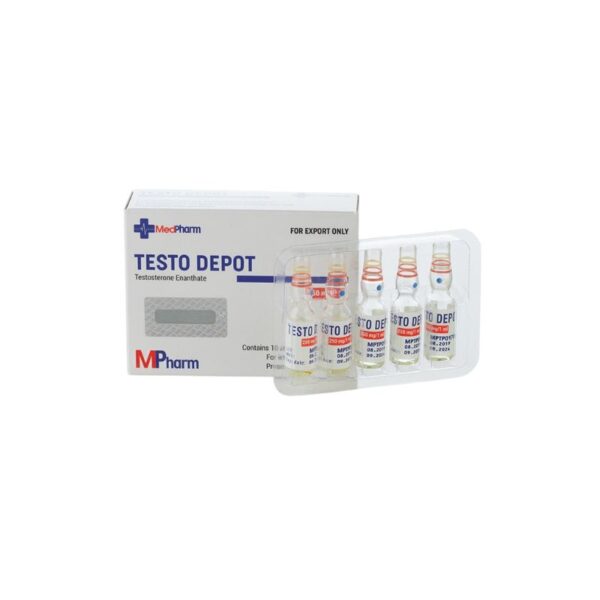
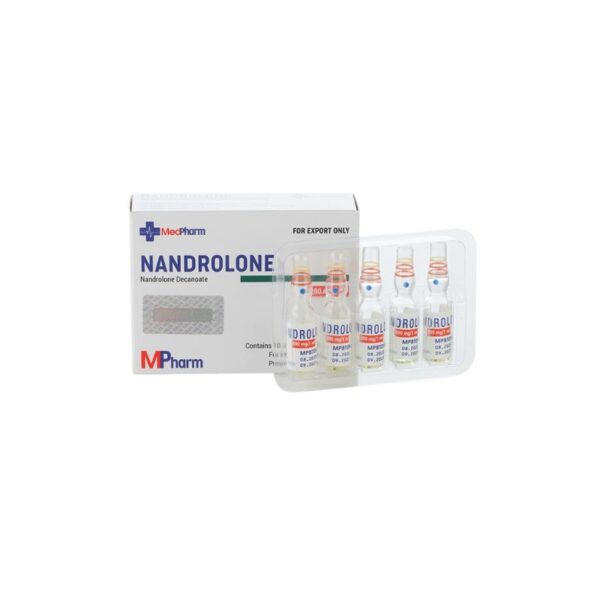
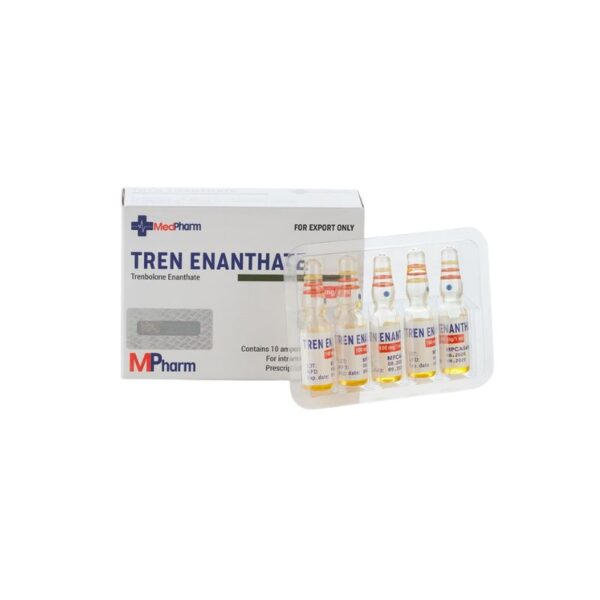
Almost every anabolic steroid suppresses the axis; what differs is depth and duration. Long esters, such as those in Testo Depot (testosterone enanthate) or Nandrolone Decanoate, keep releasing hormone long after the last injection, so the suppressive signal lingers beyond the end of the cycle. The 19-nor family, nandrolone and trenbolone (including Tren Enanthate), is widely regarded as among the most suppressive, partly because these compounds also act on progesterone receptors and can raise prolactin.
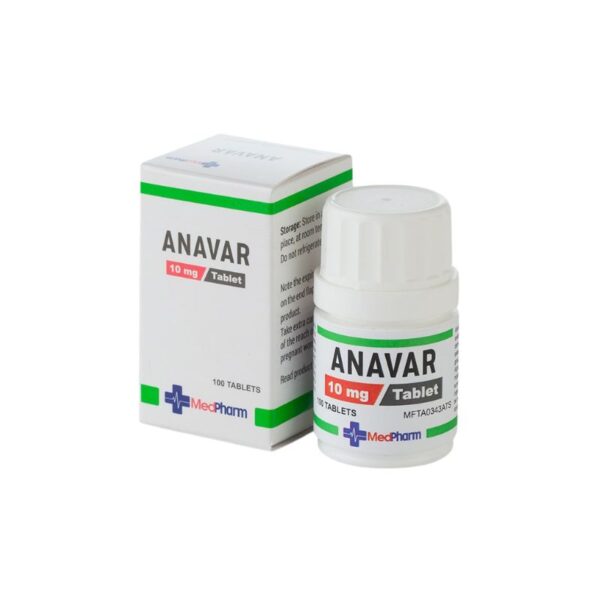
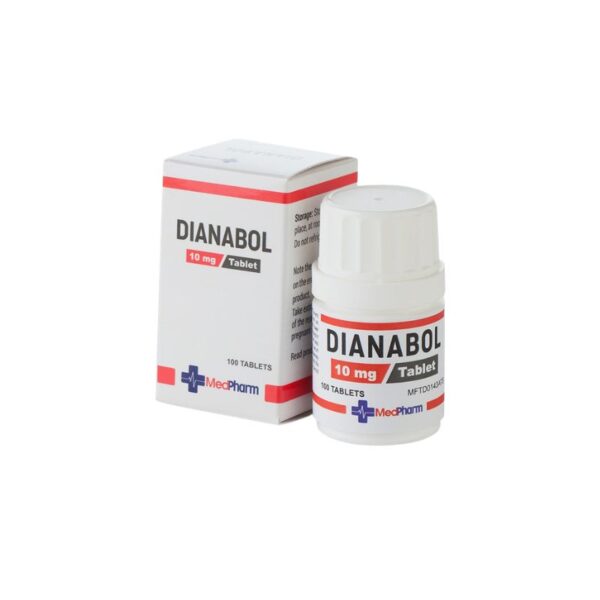
Orals clear faster but are far from neutral. Even a mild compound such as Anavar (oxandrolone) suppresses LH, and Dianabol (methandienone) adds oestrogenic load on top. Our guide to oral steroids compared explains how each one affects the axis, the liver and your lipids.
The recovery gap
When the cycle ends, external androgen levels fall as the esters clear. Your axis, however, has been idle and does not restart on cue: the hypothalamus must resume its pulses, the pituitary must rebuild its output, and the Leydig cells must respond again. The interval in between, when neither the drug nor your own production supplies much testosterone, is what users call “the crash”. Post cycle therapy is aimed squarely at this gap.
The recovery window: signs of low testosterone after a cycle
Most men know something is wrong before they see a lab result. The symptoms of low testosterone after a cycle are well documented and tend to arrive together.
Common signs to watch for
- Low libido, and fewer or absent morning erections
- Erectile difficulties, even when desire is present
- Fatigue that a full night’s sleep does not fix
- Low mood, irritability, anxiety or brain fog
- Loss of strength in the gym, with faster fat gain
- Hot flushes, or testes that ache or are noticeably smaller
Mood deserves particular attention. Hormonal withdrawal can produce genuine depression; if you have any thoughts of self-harm, treat it as a medical emergency and contact a doctor or emergency services immediately. If erectile function is slow to return, our sildenafil vs tadalafil comparison explains how PDE5 inhibitors work; whether they have a place in your recovery is a conversation for your doctor.
Why recovery varies from one man to the next
Two men can run similar cycles and recover completely differently. What matters most:
- Total exposure: how long the axis was suppressed, and how deeply.
- Compounds used: 19-nors and long esters typically mean a slower restart.
- History: previous cycles, and how much genuine time off came between them.
- Age and baseline: a man whose testosterone was borderline before his first cycle may never return to a high-normal level.
- Lifestyle: sleep, body fat, alcohol, stress and certain medications (opioids in particular) all weigh on the axis.
Case-control research on former steroid users has found lower testosterone and hypogonadal symptoms persisting years after they stopped, in some men. That is why the careful user takes recovery seriously from day one. Basics matter more than ever here, sleep above all, which is why our piece on sleep and performance calls it the most underrated tool you have.
Clomiphene: the SERM at the heart of post cycle therapy
If one compound defines post cycle therapy, it is clomiphene citrate. Alongside tamoxifen, it has anchored recovery protocols for decades and remains the first molecule most doctors consider when a man’s axis needs prompting back to work. You will find it in our dedicated PCT category.
How a SERM restarts the axis
Clomiphene is a selective oestrogen receptor modulator (SERM). It does not stop your body making oestrogen. Instead, it occupies oestrogen receptors in the hypothalamus and pituitary, so those centres no longer “see” circulating oestradiol. Because oestrogen is one of the main brakes on gonadotropin output, taking the brake off increases the release of LH and FSH, the very signals that tell the testes to resume testosterone and sperm production. It does not replace your hormones; it persuades your own system to make them.
Enclomiphene and zuclomiphene: two molecules in one
Clomiphene citrate is a mixture of two isomers. Enclomiphene is the anti-oestrogenic isomer behind most of the LH-raising effect, and it is cleared relatively quickly. Zuclomiphene is more oestrogen-like and is cleared slowly, so it accumulates with continued use. That split is one reason enclomiphene has been studied on its own as a more targeted option, and one reason doctors watch for side effects that build over time.
Why clomiphene is so highly valued
- It acts at the brain, where the real bottleneck sits after a cycle.
- It raises LH, FSH and testosterone together, supporting hormone levels and fertility.
- It is oral, inexpensive and extensively studied, with an off-label history in secondary hypogonadism.
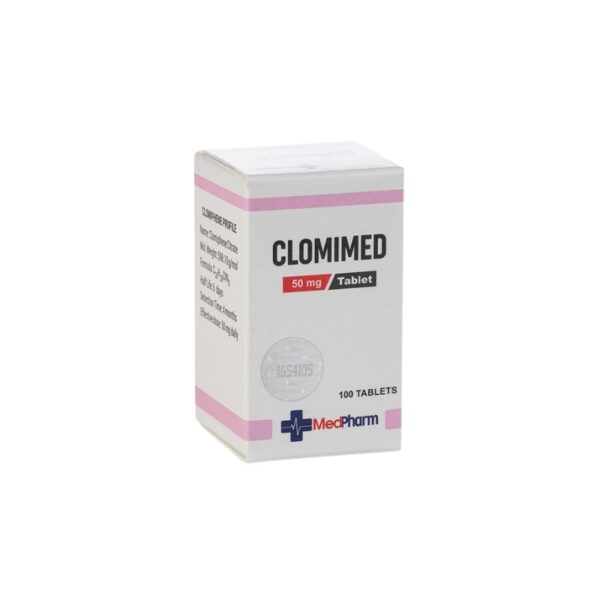
Clomimed (Clomiphene 50 mg) supplies clomiphene citrate as 100 sealed tablets at the standard 50 mg strength, which makes it straightforward for a doctor to build a plan around. As a licensed medicine, clomiphene has well-documented side effects: visual disturbances such as blurring, flashes or floaters, which mean stopping and seeking prompt medical review, plus hot flushes, mood swings, headaches and nausea. Because it raises testosterone, it also raises oestradiol, one more reason dose and duration belong with a doctor and your bloodwork.
HCG, HMG, gonadorelin and kisspeptin: signalling at every level
Clomiphene acts at the brain. The other compounds associated with recovery act elsewhere in the HPTA: the testes, the pituitary, or the very top of the cascade, and where each acts defines what it can and cannot do. All four are supplied by Rogue as research-grade material under the PuraPept brand, for laboratory use and not for human consumption. Clinical uses mentioned below refer to prescribed medicines under specialist supervision.
HCG: an LH mimic that works on the testes
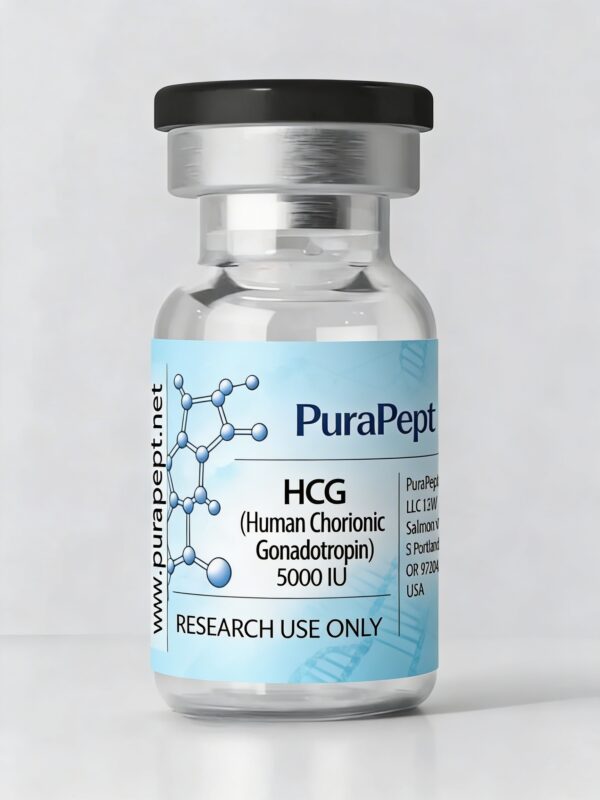
Human chorionic gonadotropin binds the same receptor as LH, so in the testes it acts as a potent, long-acting stand-in for LH: it stimulates the Leydig cells to produce testosterone and helps maintain testicular volume and the high local testosterone that sperm production needs. In clinical medicine, hCG is prescribed for conditions such as hypogonadotropic hypogonadism and some forms of male infertility, and some doctors use it alongside testosterone therapy to help preserve testicular function.
What hCG does not do is restart the brain. Because it raises testosterone, it adds to negative feedback and keeps natural LH suppressed, which is why it is discussed as a bridge that keeps the testes responsive rather than a stand-alone restart. Over-stimulation can also blunt Leydig cell responsiveness and push oestradiol up, with a risk of gynaecomastia. HCG (Human Chorionic Gonadotropin) 5000 IU is a sealed, batch-tested lyophilised vial supplied for LH-receptor and steroidogenesis research.
HMG: adding FSH activity
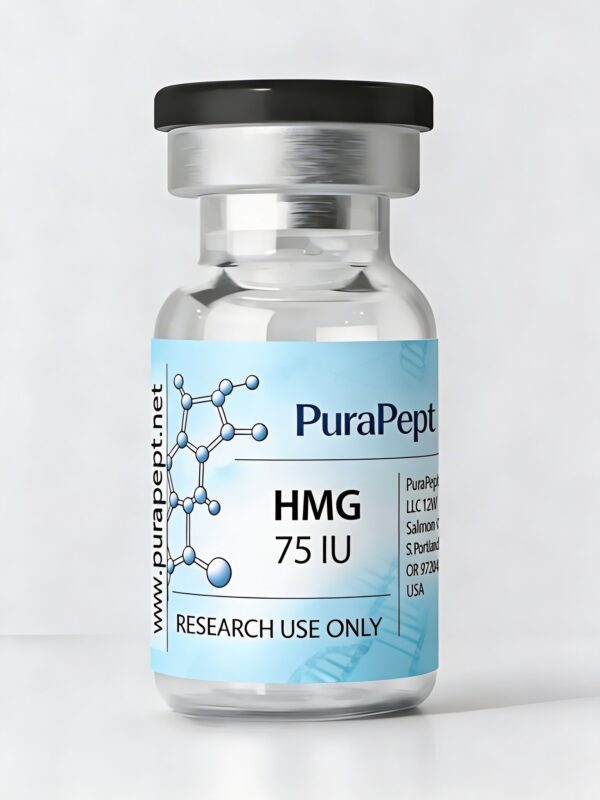
Human menopausal gonadotropin carries both FSH and LH activity in one preparation. Where hCG mainly addresses testosterone production, the FSH component of HMG speaks to the Sertoli cells and spermatogenesis. It has a long history in fertility medicine, and in men with hypogonadotropic hypogonadism it has been used with hCG to induce sperm production, a strictly specialist, closely monitored setting. HMG 75 IU is offered as a sealed, lot-traceable vial for research into combined FSH and LH receptor signalling.
Gonadorelin: the native GnRH signal
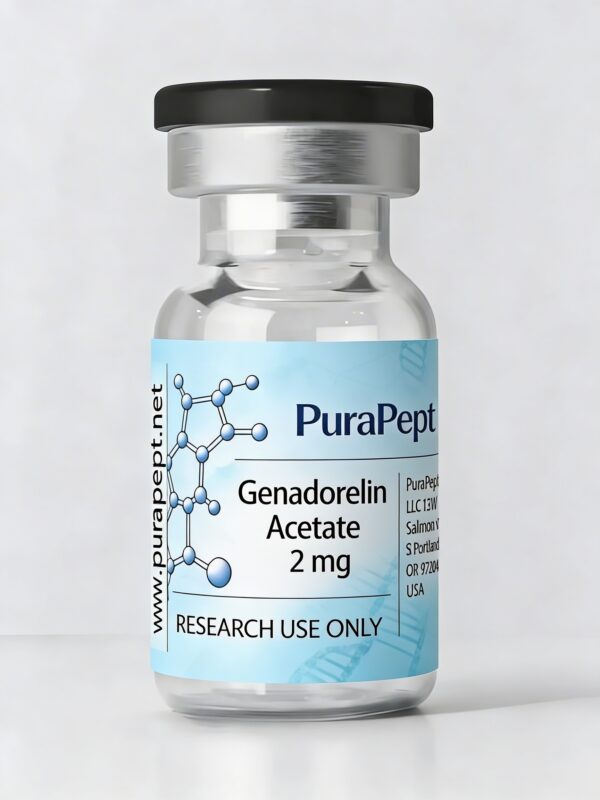
Gonadorelin is the synthetic form of GnRH itself, the hormone directly above LH and FSH. It has a very short half-life, measured in minutes, and a strongly pulse-dependent action: rhythmic exposure stimulates the pituitary, continuous exposure desensitises it. Clinically, it has been used in diagnostic pituitary stimulation tests and pulsatile pump therapy for certain forms of hypogonadism. For laboratories, Genadorelin Acetate 2 mg is the native-sequence reference against which GnRH analogues are measured.
Kisspeptin: the switch above GnRH
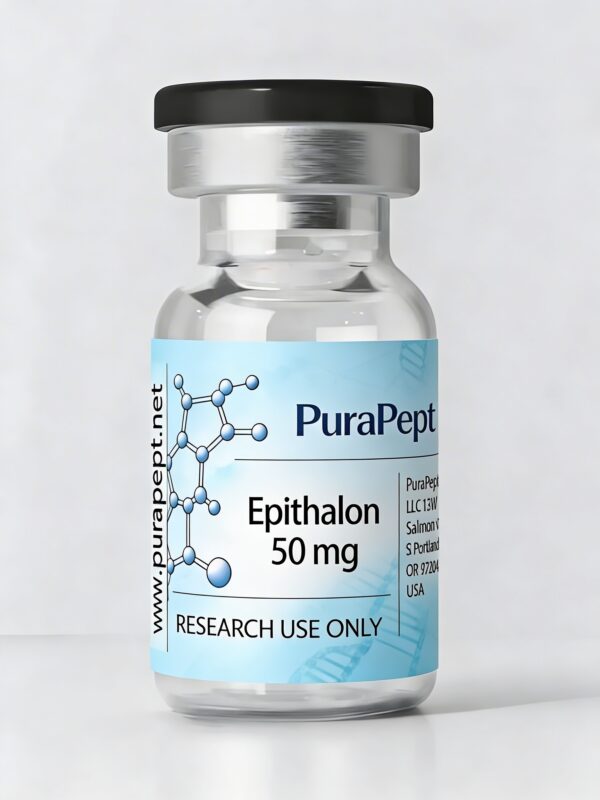
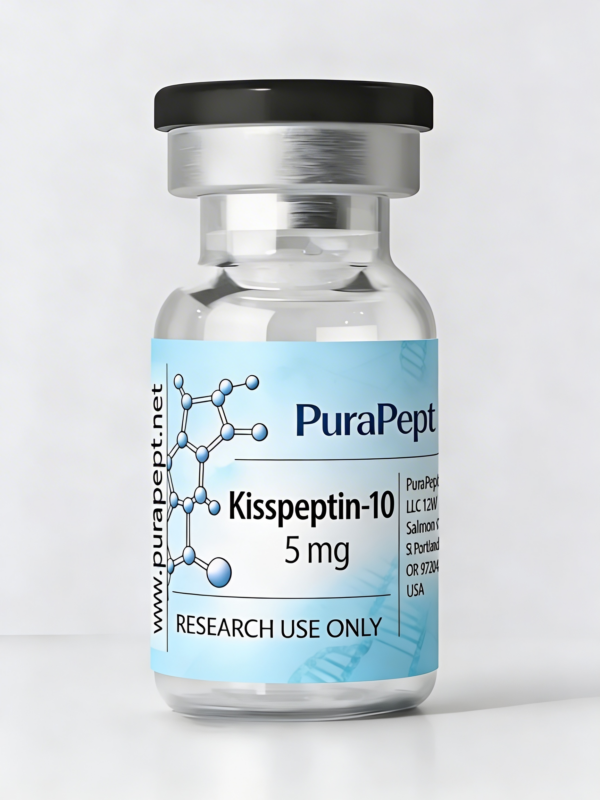
The discovery of kisspeptin signalling was a turning point in reproductive endocrinology. Kisspeptin acts on the KISS1R receptor of GnRH neurons, making it an upstream gatekeeper that acts before GnRH, before LH and before the testes. Early human studies have shown that kisspeptin administration raises LH, and it is being investigated in fertility medicine, but much of the evidence remains experimental or preclinical. Kisspeptin-10 5 mg is the shortest fragment that retains full activity at KISS1R, and researchers use it precisely because it lets them interrogate the axis at its origin.
Post cycle therapy compounds compared
Where each compound acts, and what it is known for. Treat it as a map of mechanisms, not a menu: what belongs in a real recovery plan is a medical decision.
| Compound | Where it acts | Mechanism | Valued or studied for | Key watch-points | At Rogue |
|---|---|---|---|---|---|
| Clomiphene citrate | Hypothalamus and pituitary | SERM: blocks oestrogen feedback, raising LH and FSH | Restarting the body’s own axis; testosterone and fertility | Visual disturbances, mood changes, hot flushes, rising oestradiol | Clomimed 50 mg tablets (licensed medicine) |
| HCG | Testes (Leydig cells) | LH-receptor agonist | Maintaining testicular function and local testosterone | Keeps natural LH suppressed; oestradiol rise; reduced Leydig responsiveness | HCG 5000 IU (research use only) |
| HMG | Testes (Sertoli and Leydig cells) | Combined FSH and LH activity | Spermatogenesis and fertility research | Specialist-only in clinical practice; oestradiol; complexity | HMG 75 IU (research use only) |
| Gonadorelin | Pituitary | Synthetic GnRH; stimulates LH and FSH when pulsed | HPG-axis and receptor desensitisation research | Half-life of minutes; continuous exposure desensitises | Genadorelin Acetate 2 mg (research use only) |
| Kisspeptin-10 | Hypothalamus (GnRH neurons) | KISS1R agonist upstream of GnRH | Neuroendocrine research into how the axis is switched on | Evidence still developing; much of it preclinical | Kisspeptin-10 5 mg (research use only) |
Notice the logic. Clomiphene works on the bottleneck that matters most after a cycle, the brain’s output, while HCG and HMG work downstream on the testes. Gonadorelin and kisspeptin sit upstream but are short-acting and pulse-sensitive, so they remain primarily research tools. A doctor thinks in exactly these terms: where is the axis stuck, and which level needs support?
Bloodwork for post cycle therapy: the markers that matter
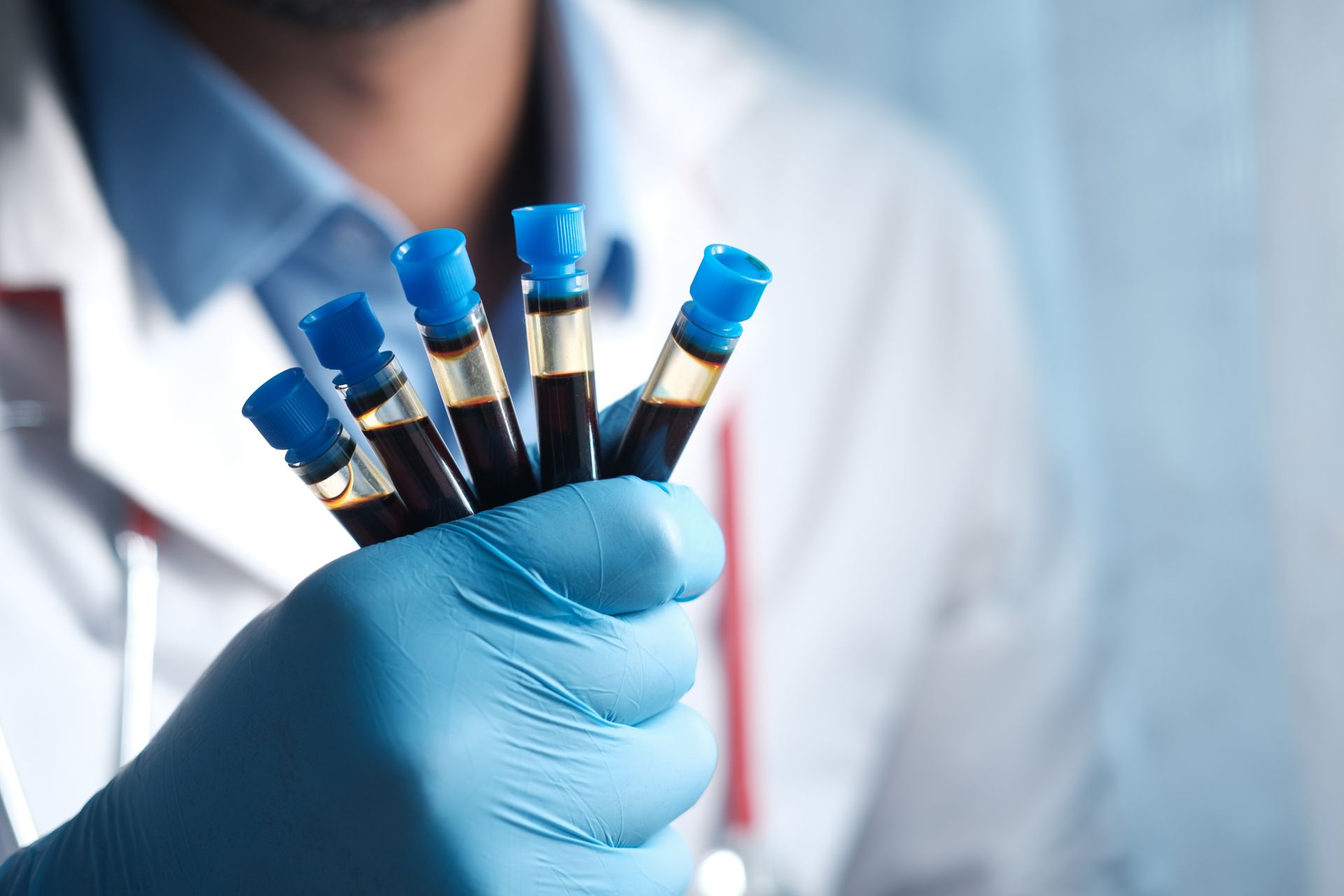
Symptoms tell you something is wrong; bloodwork tells you what. The careful user tests before the first cycle, during recovery, and again once a doctor judges the axis should have settled. Without a baseline, you cannot know whether a post-recovery result is your normal or a new, lower floor.
| Marker | What it tells you | What the careful user watches for |
|---|---|---|
| LH and FSH | Whether the pituitary is signalling again | A rise from suppressed levels, usually the first sign the axis is waking up |
| Total testosterone | Overall androgen output | A return towards your own pre-cycle baseline, not merely “within range” |
| Free testosterone and SHBG | How much testosterone is biologically available | Low free testosterone can explain symptoms despite a normal total |
| Oestradiol (sensitive assay) | Oestrogen balance | Both too high (breast tenderness, water retention) and too low (low libido, joint pain, flat mood) |
| Prolactin | Pituitary activity; often raised after 19-nor compounds | Elevated levels that blunt libido and LH output |
| Haematocrit and haemoglobin | Red cell mass and blood thickness | Elevated values that should come back down after a cycle |
| Lipids, liver enzymes, kidney function | Cardiovascular and organ load | HDL recovering, ALT, AST and GGT normalising, especially after orals |
| Semen analysis | Fertility | Recovery of count and motility, essential if you want children |
Reading the trend, not a single number
Recovery is a trajectory. Gonadotropins usually rise first, and testosterone recovers before sperm count: spermatogenesis takes roughly two and a half months from start to finish, so fertility markers lag behind hormone levels. One result in isolation can mislead; a series, interpreted by a doctor who knows what you used and when, rarely does. Bring an honest list of every compound and ester to that appointment, because a long ester’s clearance time changes how early results should be read.
Side effects and risk management
Post cycle therapy is sometimes treated as the harmless epilogue to a cycle. It is not. The medicines involved are active hormonal drugs, and recovery itself is a demanding period in which your body is short of the hormones it relies on.
Compound-specific risks
- Clomiphene: visual disturbances (stop and seek review), mood changes and irritability, hot flushes, headaches and nausea; rarely, blood clots.
- HCG and HMG: rising oestradiol, breast tenderness or gynaecomastia, water retention, and reduced Leydig cell responsiveness with over-stimulation.
- Over-correcting oestrogen: aggressively suppressing oestradiol, for example with aromatase inhibitors, can cause low libido, joint pain, low mood and longer-term bone effects. Men need some oestrogen.
- Prolonged hypogonadism: when the axis fails to recover, the answer is a proper diagnosis, not repeated self-directed attempts.
What the careful user monitors
- Blood pressure, measured at home and logged
- The hormonal panel, haematocrit, lipids and liver enzymes described above
- Vision, mood and sleep, with any change reported promptly
- Fertility, through semen analysis, if children are part of your future
Why a doctor should lead the plan
A doctor brings three things no forum template can: a diagnosis, the ability to rule out other causes of your symptoms (a pituitary problem, thyroid dysfunction, a medication effect), and accountability for adjusting the plan when results do not move. Dose, duration and the choice of compounds are set with that doctor, using your bloodwork. And if your axis does not recover, a doctor can assess whether you have secondary hypogonadism that needs long-term treatment, a decision to make deliberately rather than drift into.
Keep the wider context in view. Anabolic steroids and most medicines in this guide are prescription-only in most of Europe and prohibited in tested sport: under the WADA Prohibited List, SERMs such as clomiphene are banned at all times, and hCG, LH and their releasing factors are banned for male athletes. If you compete in a tested federation, none of this belongs in your plan; if you are a teenager or new to training, none of it belongs in your life yet. Our hormonal support collection is for informed adults under medical oversight.
Why authenticity matters for recovery
Every part of post cycle therapy depends on knowing what you actually took. If the testosterone in your cycle was underdosed, or quietly contained a different steroid, your doctor is reading your bloodwork against a fiction. If your clomiphene is counterfeit, you may wait weeks for an LH response that was never going to come.
Counterfeiting here is not hypothetical. Hormonal products are among the most faked items sold online, and underdosing, substitution and poor storage are all common. Glycoprotein hormones such as hCG and HMG also lose activity if not kept cold, so a badly handled genuine product can fail as surely as a fake. Rogue removes those variables:
- Sealed and tamper-evident: Clomimed arrives in original sealed blisters, and the steroids in our performance injectables range come in sealed ampoules.
- EU-manufactured and traceable: products from manufacturers such as Med Pharm carry batch codes that trace back to the manufacturer.
- Batch-tested research material: HCG 5000 IU, HMG 75 IU, Genadorelin Acetate and Kisspeptin-10 are analytically tested, lot-traceable and handled with cold-chain awareness.
- Discreet EU delivery: plain, unbranded packaging and tracked dispatch from our door to yours.
Frequently asked questions
What is post cycle therapy and why is it needed?
Post cycle therapy is the recovery phase after a steroid cycle, aimed at restoring natural testosterone production and fertility. It is needed because external androgens suppress LH and FSH, leaving the testes inactive when the cycle ends.
How long does it take to recover natural testosterone after a cycle?
There is no single answer. It depends on the compounds used, total exposure, age, previous cycles and individual biology: for some men it is relatively quick, for others it takes many months, and a minority never fully return to baseline. Serial bloodwork with a doctor is the only reliable way to track it.
Is clomiphene or tamoxifen better for PCT?
Both are SERMs that block oestrogen feedback at the brain and raise LH and FSH. Clomiphene has the stronger tradition for stimulating gonadotropin output, while tamoxifen has a somewhat different side-effect profile. Which one, if either, suits you is a decision for your doctor, based on your history and bloodwork.
Can HCG replace post cycle therapy?
No. HCG mimics LH and stimulates the testes directly, but it does not restart the hypothalamus or pituitary; in fact it keeps natural LH suppressed. Rogue’s HCG is supplied for research use only.
What blood tests should I get after a steroid cycle?
A typical recovery panel includes LH, FSH, total testosterone, free testosterone or SHBG, oestradiol, prolactin, haematocrit, lipids and liver enzymes, plus a semen analysis if fertility matters to you. Ideally, everything is compared against a pre-cycle baseline.
What are the symptoms of low testosterone after a cycle?
Common signs include low libido, erectile difficulties, fatigue, low mood or irritability, brain fog, loss of strength and hot flushes, sometimes with testicular ache or shrinkage. Severe low mood, or any thoughts of self-harm, need urgent medical attention.
Do you need PCT after an oral-only cycle?
Oral steroids also suppress the HPTA, so recovery still needs attention, even if suppression may be shorter because orals clear faster. A doctor can judge from your bloodwork how much support, if any, you need, and check the liver and lipid strain orals add.
Does post cycle therapy stop you losing your gains?
No recovery plan preserves everything a supraphysiological cycle produced; some loss of water, fullness and strength is normal as androgens return to the natural range. A well-managed recovery shortens the period of very low testosterone, when muscle and motivation are most at risk. Training, protein and sleep do the rest.
The bottom line
Post cycle therapy is where discipline shows. Anyone can start a cycle; the careful and conscious user plans the exit before the entrance, tests before and after, works with a doctor, and uses authentic products so every result means something. Let bloodwork, not a forum template, guide every decision.
Explore our PCT range, including Clomimed (Clomiphene 50 mg), and the wider hormonal support collection. For the research compounds discussed here, browse the peptides catalogue. Rogue’s peptides are sold for research purposes only and are not for human consumption.
This article is for educational purposes only and is not medical advice. Prescription medicines and performance compounds carry real risks; speak to a qualified doctor before using any of them, and never use them if you are under 18.
Products in this guide
-
 +34 Rogue Points
-
 +49 Rogue Points
-
 +59 Rogue Points
-
 +49 Rogue Points
-
 +39 Rogue Points
-
 +29 Rogue Points
-
 +40 Rogue Points
-
 +50 Rogue Points
-
 +35 Rogue Points
-
 +35 Rogue Points
Keep reading
 Performance Guides
 Performance Guides
 Performance Guides