


Bloodwork for Steroid Users: The Complete Marker-by-Marker Guide
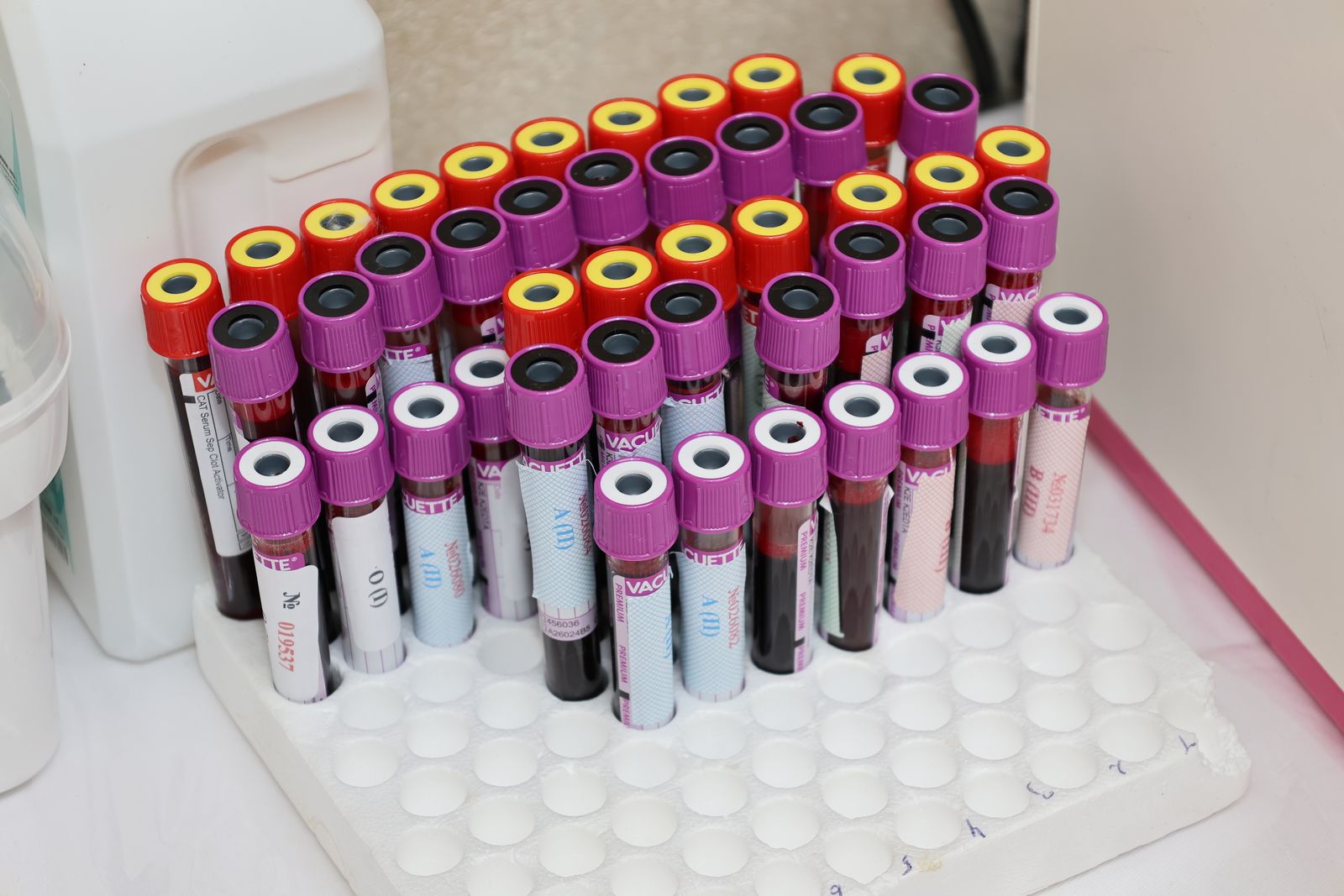
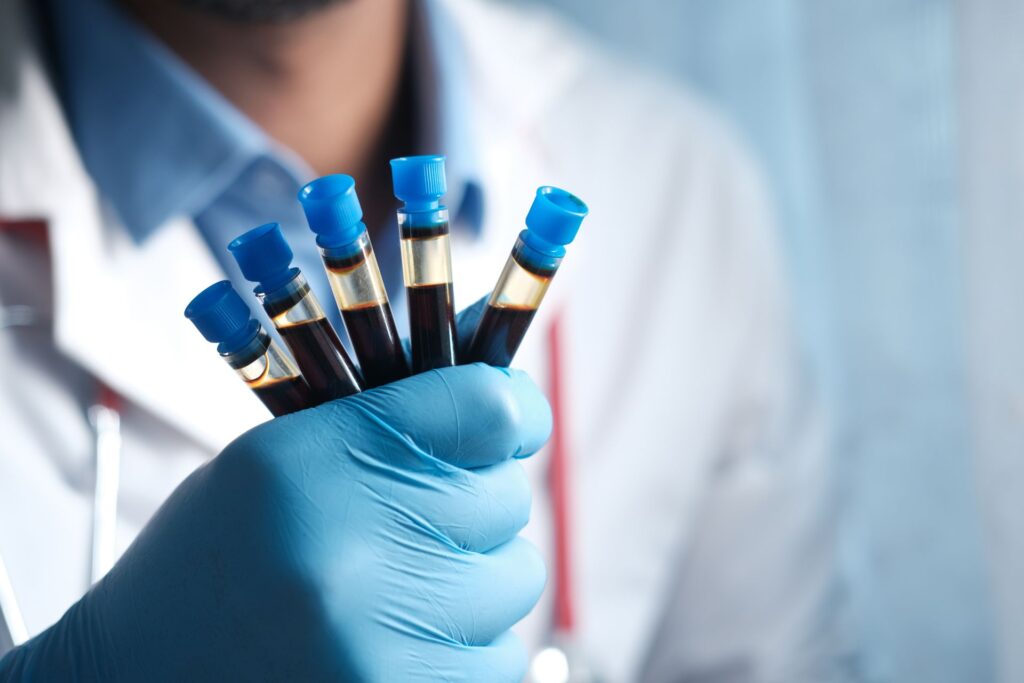
Every serious conversation about performance compounds should start in the same place: a blood test. Bloodwork for steroid users is not paperwork and it is not paranoia. It is the only way to see what testosterone, oral anabolics, thyroid hormone or stimulants are doing inside your body while you still feel fine. Haematocrit climbs silently. HDL cholesterol falls without a single symptom. Liver enzymes, blood pressure and oestradiol all move long before you notice anything in the mirror.
This is the hub guide the rest of the Rogue Journal points to. It explains the core panel marker by marker, when to test (baseline, during and after), how to read ranges, how to talk to a doctor honestly and which red flags mean you stop and seek care.
A few facts frame everything that follows. Anabolic steroids are prescription-only medicines in most of Europe, and anabolic agents, clenbuterol included, are prohibited at all times in tested sport under WADA rules. None of this is for beginners, and never for teenagers. Rogue’s peptides are sold for research purposes only and are not for human consumption. Nothing here is a protocol: dose and duration are decided with a doctor, using exactly the data this guide teaches you to collect.
Key takeaways
- Test before, during and after. A baseline panel is the reference that makes every later result meaningful.
- The core panel spans hormones, red cells, lipids, liver, kidneys, glucose and thyroid, plus PSA from middle age and blood pressure for everyone.
- Haematocrit is the marker most likely to rise on testosterone, and the one that matters most for clot and cardiovascular risk.
- Oral steroids hit HDL and liver enzymes hardest, but heavy training also raises AST, ALT and creatinine, so context decides what a number means.
- Muscle mass distorts eGFR; cystatin C helps a doctor separate muscle from genuine kidney stress.
- Trends beat snapshots: same lab, same time of day, same conditions every time.
- Authentic product is part of the data. A counterfeit ampoule makes the whole panel misleading.
Why bloodwork for steroid users is non-negotiable
Performance compounds work because they are powerful. Testosterone and its derivatives drive protein synthesis, red cell production, recovery and strength, which is why careful users choose them. That same power acts on systems you cannot feel, from bone marrow to arteries. Bloodwork turns those invisible effects into numbers you can act on.
What you cannot feel, you have to measure
Most meaningful risks of anabolic compounds are silent at first. A drifting haematocrit, sliding HDL, creeping blood pressure or rising ALT on an oral do not announce themselves. The careful user does not wait for symptoms: they measure, compare with their own baseline and adjust with a doctor while a change is still small and reversible.
Bloodwork is the quality control of the whole plan
A panel also tells you whether what you are using matches the label. If testosterone stays flat when it should be elevated, the product may be underdosed or fake. If prolactin or blood pressure moves in a way testosterone alone does not explain, something else may be in the vial. It is the habit that separates the conscious user from the gambler.
How this hub connects to the rest of the Journal
Every compound guide we publish ends with the same advice: get bloodwork and involve a doctor. Read this article alongside the guide to your compound, whether that is the testosterone esters comparison, the overview of oral steroids from Dianabol to Winstrol or the BPC-157 and TB-500 recovery peptides guide. Even the sexual-health guides, on sildenafil vs tadalafil and on dapoxetine, return to the same themes: blood pressure, interactions and honesty with your doctor.
The core steroid blood test panel at a glance
Here is the core panel of bloodwork for steroid users, what each marker measures and how performance compounds typically move it. Your doctor may add or remove tests depending on your age, history and compounds.
| Marker | What it measures | How compounds typically move it | Why it matters |
|---|---|---|---|
| Total testosterone | All testosterone in the blood | Rises with exogenous testosterone | Confirms exposure and product authenticity |
| Free testosterone, SHBG | Active fraction and its carrier | SHBG falls with androgens, most sharply with orals | Explains symptoms when total looks normal |
| Oestradiol (sensitive assay) | The main oestrogen, made by aromatisation | Rises with testosterone-based compounds | Libido, mood, joints, bone |
| LH, FSH | Pituitary signals to the testes | Suppressed by androgens | Track shutdown and recovery |
| Prolactin | Pituitary hormone | Can rise with some 19-nor compounds | Libido, sexual function, mood |
| Haematocrit, haemoglobin | Red cell share of blood volume | Rise with testosterone and most androgens | Blood thickness, clot and cardiovascular risk |
| Lipids, ApoB | Cholesterol fractions and particles | HDL falls, LDL and ApoB rise, most strongly with orals | Long-term arterial health |
| ALT, AST, GGT | Liver cell stress and bile flow | Rise with oral steroids and hard training | Liver strain, cholestasis |
| Creatinine, eGFR | Estimated kidney filtration | Creatinine rises with muscle mass | Kidney function, read with care |
| Fasting glucose, HbA1c | Current and longer-term blood sugar | Can worsen with GH-axis compounds | Insulin sensitivity |
| TSH, fT3, fT4 | Thyroid output and its control signal | Exogenous T3 or T4 suppresses TSH | Metabolism, heart rate, bone |
| PSA | Prostate-specific antigen | May rise on testosterone | Prostate monitoring from middle age |
| Blood pressure | Arterial pressure, by cuff | Often rises with androgens and stimulants | Heart, kidney and stroke risk |
Hormone markers: testosterone, oestradiol, LH, FSH, SHBG and prolactin
Total and free testosterone
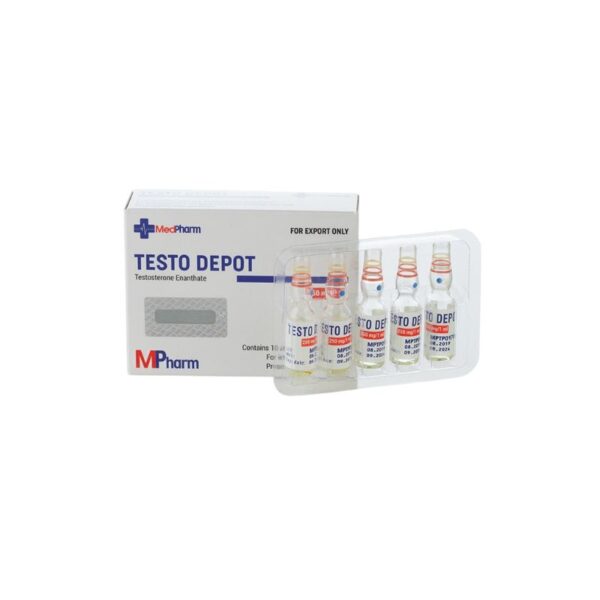
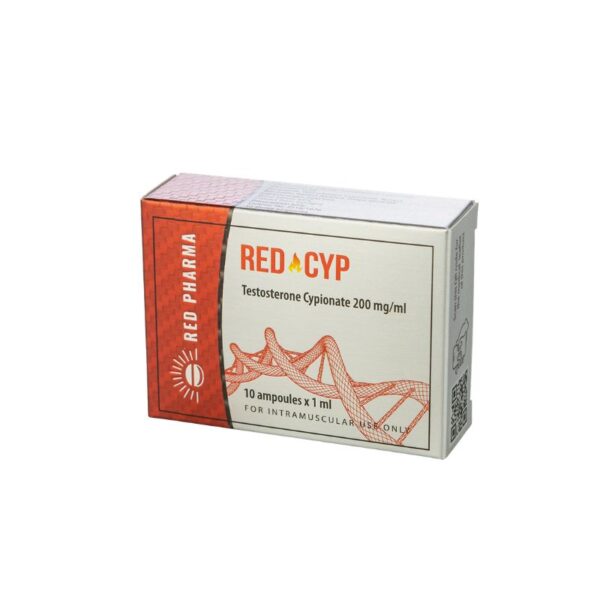
Total testosterone is the anchor of the panel. At baseline it shows your natural production; on testosterone-based compounds it confirms exposure and whether levels match what your doctor expects. Long esters such as Testo Depot testosterone enanthate and Testosterone Cypionate release steadily, but results still depend on timing: a sample drawn just before the next injection (the trough) reads lower than one taken mid-interval. Our guide to testosterone enanthate vs cypionate vs propionate explains how ester length shapes those curves. Free testosterone, the small unbound fraction available to tissues, is calculated from total testosterone, SHBG and albumin or measured directly.
Oestradiol: why the sensitive assay matters
Testosterone converts to oestradiol through the aromatase enzyme, so E2 usually climbs on testosterone-based compounds. Men need oestradiol for libido, erectile function, mood, joint comfort, bone density and healthier lipids, and problems appear at both extremes. Standard immunoassays were built for the far higher levels seen in women and can mislead in men, so ask for a sensitive (LC-MS/MS) oestradiol test. Driving oestradiol down to hit an arbitrary figure causes its own problems; that decision belongs with your doctor.
LH and FSH: the suppression readout
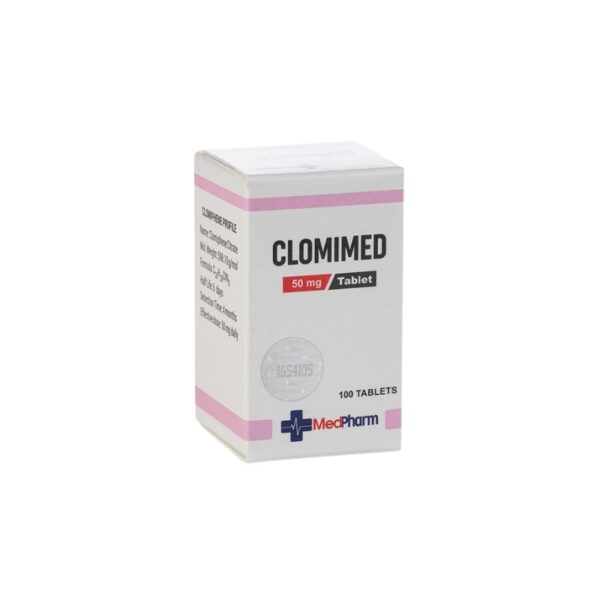
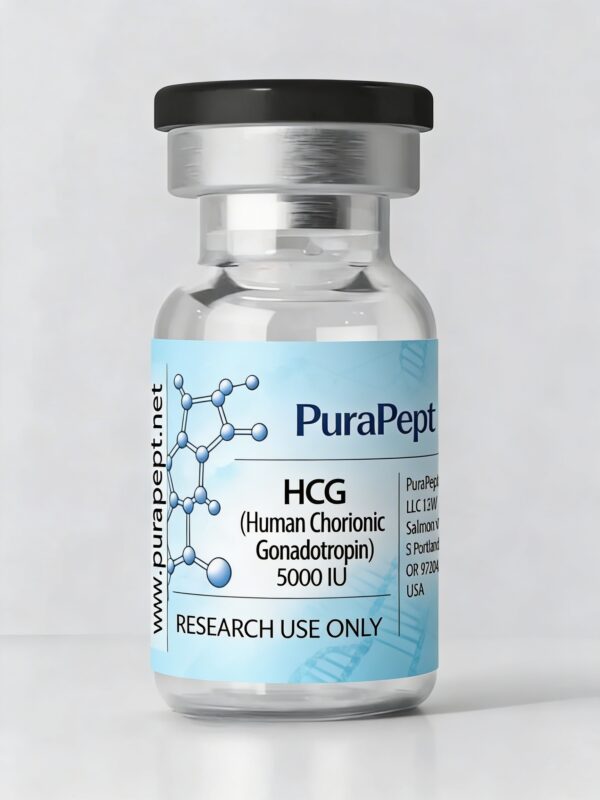
Luteinising hormone and follicle-stimulating hormone are the pituitary’s instructions to the testes. Exogenous androgens switch them down through negative feedback, often to near-undetectable levels, which is why testicular size and sperm production fall. This is where post cycle therapy enters: SERMs such as Clomimed clomiphene 50 mg block oestrogen feedback to prompt more LH and FSH, while HCG 5000 IU, which Rogue supplies for research use, acts directly on the LH receptor. Our guide to gonadorelin, HCG and kisspeptin maps each signal. If fertility matters to you, add a semen analysis.
SHBG
Sex hormone-binding globulin carries testosterone and oestradiol in the blood. Androgens lower it, oral 17α-alkylated compounds most dramatically, while thyroid hormone and oestrogen raise it. A low SHBG means more of your testosterone is free, which changes how a total figure should be read.
Prolactin
In men, prolactin influences libido and sexual function. 19-nor compounds such as nandrolone and trenbolone are commonly linked with prolactin-related side effects, as our trenbolone vs nandrolone guide discusses, and the less selective secretagogues in GHRP-2 vs GHRP-6 can nudge it upward too. Stress, poor sleep and hard training raise it temporarily, so one high reading is a reason to repeat the test, not to panic. If libido or erections fade, check hormones before reaching for a PDE5 inhibitor, which treats the symptom rather than the cause.
Haematocrit, lipids and blood pressure: the cardiovascular markers
If one group of markers deserves the most attention, it is this one. Cardiovascular disease is the most serious long-term concern associated with anabolic steroid use, and these numbers are its early warning system.
Haematocrit and haemoglobin on steroids
Haematocrit is the share of your blood volume made up of red cells; haemoglobin is the oxygen-carrying protein inside them. Testosterone stimulates red cell production, partly through erythropoietin and partly by changing how the body handles iron. Push too far and the result is erythrocytosis: thicker blood, extra strain on the heart and a raised risk of clots. It is the most common reason doctors pause or adjust testosterone therapy, and it rises with most androgens, not testosterone alone. Dehydration inflates the reading, so arrive well hydrated. If haematocrit climbs, the response (changing or stopping the compound, checking for causes such as sleep apnoea, or therapeutic venesection) is a clinical decision.
HDL, LDL, triglycerides and ApoB
Androgens push lipids the wrong way: HDL falls and LDL rises. Oral compounds are the strongest offenders because they reach the liver in high concentrations, as our oral steroids comparison explains. Beyond the standard lipid panel, ApoB counts the atherogenic particles that actually lodge in artery walls, since each carries one ApoB molecule. Lipoprotein(a), largely set by your genes, is worth measuring once. Arterial damage accumulates over years, so protect these results.
Blood pressure
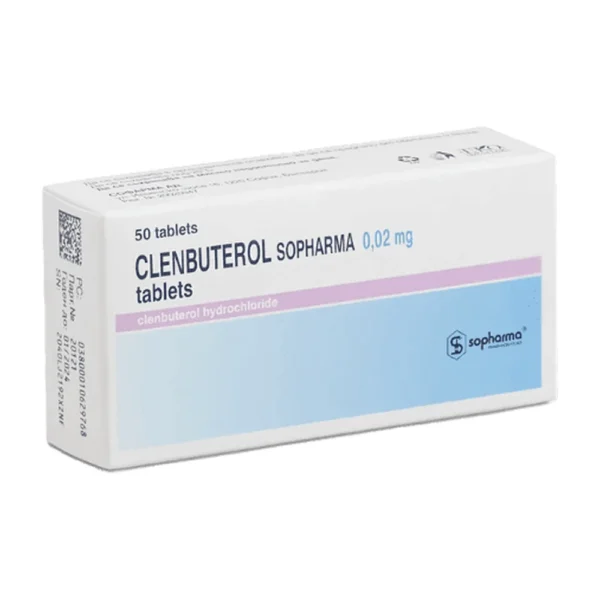
Blood pressure is not drawn from a vein, but it belongs on every panel. Androgens can raise it through fluid retention, higher haematocrit and effects on the vessels, and stimulants raise it too. Clenbuterol is a beta-2 agonist that lifts heart rate and can lower potassium, so it demands cardiovascular clearance first, as our clenbuterol and ketotifen guide stresses. The wakefulness agents in the modafinil, Semax and Selank guide and the melanocortins in the Melanotan II and PT-141 guide have documented blood pressure effects as well. Use a validated upper-arm cuff at home, seated and rested, and keep a log for your doctor, who may add an ECG or echocardiogram for long-term users.
Liver and kidney markers: ALT, AST, GGT, creatinine and eGFR
ALT, AST and GGT
ALT and AST are enzymes released when liver cells are under stress. Oral steroids that are 17α-alkylated, including methandienone, oxandrolone, oxymetholone, stanozolol tablets and turinabol, survive the liver’s first pass because of that chemical modification, and the same feature makes them hepatotoxic. Cholestasis (impaired bile flow, showing as raised bilirubin and alkaline phosphatase and, in severe cases, jaundice) and, rarely, liver tumours have been reported. Injectables place less direct load on the liver, though not none.
The complication for lifters is that AST and ALT also live in muscle, so a heavy session the day before a test can make a healthy liver look damaged. A careful panel therefore adds GGT, which is far more liver-specific, plus bilirubin and creatine kinase (CK), a muscle-damage marker that reveals when training is the real source.
Creatinine and eGFR: the muscle-mass caveat
Creatinine is a waste product of muscle metabolism, cleared by the kidneys. eGFR, the filtration estimate printed on most reports, is calculated from creatinine assuming average muscle mass. A muscular person on a high-protein diet, perhaps also using creatine, produces more creatinine, so their eGFR can look reduced when the kidneys are fine. The opposite mistake is just as real: assuming every low eGFR is muscle can hide genuine damage, and case series have described kidney disease in long-term heavy users of anabolic steroids, often alongside high blood pressure. A doctor can resolve the ambiguity with cystatin C, which is far less affected by muscle mass, and a urine albumin-to-creatinine ratio, which detects early kidney stress directly.
Glucose, thyroid and PSA: the metabolic and long-term markers
Fasting glucose and HbA1c
Fasting glucose shows your blood sugar on the day; HbA1c reflects the average over roughly the previous three months. Growth hormone and GH secretagogues reduce insulin sensitivity, as the CJC-1295, ipamorelin and HGH guide explains, and some androgens and thyroid hormones affect glucose handling too. The semaglutide vs tirzepatide guide and the AOD-9604 guide show why these markers sit at the centre of metabolic research, and the longevity peptides guide explains why ApoB and HbA1c feature so prominently in longevity medicine.
TSH, free T3 and free T4
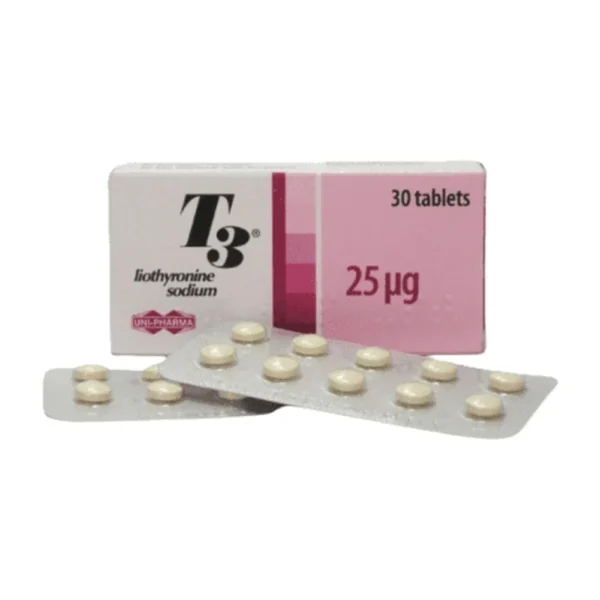
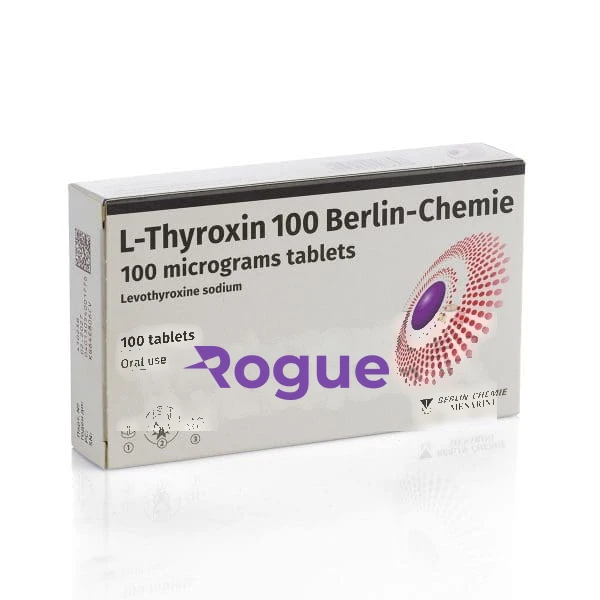
The thyroid panel matters in two ways. First, androgens lower thyroxine-binding globulin, which drops total T4 while free hormone usually stays normal, so always request the free fractions. Second, many users meet thyroid hormone directly. Liothyronine such as T3 Cytomel suppresses TSH and lowers free T4 as the gland’s own output switches down, while free T3 depends on when the last tablet was taken. Levothyroxine such as T4 thyroxine raises free T4 instead. Excess shows up as a racing heart, palpitations, heat intolerance and, over time, loss of bone and lean tissue. Our T3 Cytomel and liothyronine guide covers interpretation in depth.
PSA and the useful extras
Testosterone can raise prostate-specific antigen modestly, and clinical testosterone guidelines include PSA in monitoring for men from middle age, or earlier with a family history of prostate cancer. A rising trend matters more than any single figure. Doctors often add a full blood count with white cells (relevant to our thymosin alpha-1 and immune peptides guide), electrolytes, ferritin, vitamin D, CK and, for GH-axis research, IGF-1. Sleep matters too: short or broken sleep lowers testosterone and disturbs the cortisol rhythm, which is why the DSIP sleep peptide guide sits alongside the hormone guides.
When to test: blood tests before, during and after a cycle
People search for a “blood test on cycle” most, yet the most important test comes before anything starts. Plan exact timing with your doctor; here is the general logic.
Baseline: before any compound
A baseline panel is your personal reference range. Take it when you are healthy, training normally, not dieting hard and clear of other compounds. It catches pre-existing issues, such as a high haematocrit, poor lipids or a low natural testosterone that deserves proper investigation, any of which may rule compounds out altogether.
During: once levels have settled
A test in the first days of a long ester tells you little, because levels are still climbing. Steady state takes several half-lives, so a mid-point check, timed with your doctor, shows where hormones, haematocrit, lipids, liver enzymes and blood pressure actually sit. With orals, liver markers and HDL respond quickly and are usually watched more closely.
After: tracking recovery
Long esters remain active for weeks after the last injection, so recovery testing follows clearance, not the calendar. LH, FSH and testosterone show whether the axis is restarting; haematocrit, lipids and liver markers should drift back towards baseline. If recovery stalls, that is a medical conversation: our guide to post cycle therapy explains the options doctors weigh, and the Rogue PCT range shows what is available.
What blood tests on TRT?
Testosterone replacement therapy is a prescribed, long-term treatment with a familiar monitoring pattern: testosterone, haematocrit and haemoglobin, oestradiol where symptoms warrant it, lipids, PSA in older men and blood pressure, reviewed a few months after starting and then at regular intervals once stable. The prescriber sets dose and schedule. TRT aims for physiological levels, so a performance user’s monitoring should be at least as thorough.
Test-day rules
- Draw in the morning, fasted, so glucose, lipids and testosterone stay comparable.
- Note when you last used each compound and keep that timing consistent between tests.
- Skip hard training for a couple of days beforehand to keep AST, ALT, CK and creatinine honest.
- Drink water normally; dehydration inflates haematocrit and creatinine.
- Pause biotin if the lab advises it, as it interferes with many hormone immunoassays.
How to read your results and talk to your doctor
Reference ranges describe other people
The range beside each result describes most healthy people who were not using compounds. A flag does not automatically mean danger, and an in-range result does not automatically mean all is well. Testosterone above range is expected on a testosterone-based compound; a haematocrit at the top of the range when your baseline sat in the middle is a trend worth noticing, flag or no flag. Watch the units: European labs usually report testosterone in nmol/L and oestradiol in pmol/L, American sources in ng/dL and pg/mL, and forum numbers mix them freely.
Trends beat snapshots
One result is a photograph; a series is a film. Compare every panel with your baseline. A single abnormal value can reflect a hard session, a bad night, dehydration or ordinary lab variation, so the right response is often to repeat it under cleaner conditions.
How to talk to your doctor honestly
Tell your doctor exactly what you are using, including anything you think is irrelevant. Without that context, suppressed LH can look like pituitary disease, a high creatinine like failing kidneys and a raised haematocrit like a blood disorder, leading to needless investigations or to real problems being missed. Doctors are bound by confidentiality, and many cities have harm-reduction services used to working with performance users. Bring a written list of compounds and timings, your previous results and your blood pressure log, then let the doctor set doses, durations and any changes. A doctor who knows the full picture can help you; one who is guessing cannot.
Side effects, red flags and risk management
Bloodwork catches the silent problems; your body flags the urgent ones. The careful user knows both lists.
Side effects bloodwork catches early
Raised haematocrit, falling HDL and rising LDL, higher blood pressure, climbing liver enzymes, worsening glucose control, thyroid suppression and a shut-down HPG axis are the most common changes. Most depend on the compound, the amount and the duration, and many reverse once it is stopped, although cardiovascular damage built up over years may not. Acne, hair loss, gynaecomastia, mood changes and testicular shrinkage are the visible counterparts.
Red flags: stop and seek care
- Chest pain or pressure, pain spreading to the arm or jaw, or sudden shortness of breath.
- A swollen, painful calf, especially on one side, or coughing up blood: possible clot.
- Sudden severe headache, facial drooping, one-sided weakness or slurred speech.
- Palpitations, a racing or irregular heartbeat at rest, or fainting, particularly with stimulants or thyroid hormone.
- Yellowing skin or eyes, dark urine or pale stools: possible liver or bile problems.
- Blurred vision, flashes or floaters while using clomiphene.
- Severe mood changes, aggression or thoughts of self-harm.
- A hot, red, swollen injection site with fever.
Any of these means stopping the compound and getting medical help, through emergency services when symptoms are acute. The same goes for lab results far outside range, such as a markedly raised haematocrit or liver enzymes several times the upper limit.
Why a doctor belongs in the picture
A doctor can screen for contraindications, interpret results in context, order follow-up tests such as cystatin C, an ECG or a liver ultrasound, and treat problems early. Keep the wider framework in mind: anabolic steroids are prescription-only medicines in most of Europe, anabolic agents and clenbuterol are prohibited at all times in tested sport under WADA rules, and none of this is for beginners or teenagers, whose hormonal systems are still developing. Our performance range is built for informed adults who already work this way.
Why authenticity matters: your bloodwork is only as good as your product
Counterfeit and underdosed products are a real problem in this market, and they corrupt the very data this guide teaches you to collect. An underfilled testosterone ampoule produces a disappointing level and tempts people into using more. A vial labelled testosterone that actually contains a different steroid produces prolactin, blood pressure or lipid changes nobody can explain. Monitoring only works when the input is known, which is why bloodwork for steroid users and authentic sourcing belong in the same conversation.
Rogue stocks sealed, EU-manufactured products, traceable to the manufacturer’s batch, with discreet, tracked EU delivery in plain packaging. Our injectable testosterone range, including Testo Depot (testosterone enanthate) from Med Pharm and Testosterone Cypionate ampoules, arrives in tamper-evident, batch-coded packaging. Genuine T3 Cytomel tablets and the original Berlin-Chemie L-thyroxine are sealed and traceable, as is Sopharma clenbuterol in our fat burners category. Clomimed clomiphene carries a verifiable batch code, and HCG research vials from the PuraPept peptide line are batch-tested and lot-traceable. When the product is real, the panel is real.
Frequently asked questions
What blood tests should steroid users get?
The core panel covers total and free testosterone, sensitive oestradiol, LH, FSH, SHBG, prolactin, a full blood count with haematocrit, lipids with ApoB, ALT, AST and GGT, creatinine and eGFR (ideally with cystatin C), fasting glucose, HbA1c and a thyroid panel. Men from middle age should add PSA, and everyone should track blood pressure. Your doctor will tailor it to your history.
When should I get a blood test on cycle?
Get a baseline before you start, a check once levels have settled, timed with your doctor, and follow-up tests afterwards until markers return to baseline. Keep conditions identical so results are comparable.
What blood tests are needed on TRT?
Standard monitoring covers testosterone, haematocrit and haemoglobin, lipids, blood pressure and PSA in older men, with oestradiol when symptoms suggest it. Prescribers review results a few months after starting and then periodically, and set dose and schedule accordingly.
What haematocrit is too high on steroids?
Clinical guidance on testosterone therapy, including the Endocrine Society’s, treats a haematocrit above 54% as a reason to pause treatment and investigate. Your own trend matters as much as any threshold, and a sharp rise deserves prompt medical review because thicker blood raises clot and cardiovascular risk.
Do steroids affect kidney blood tests?
Yes, in two ways. Extra muscle, high protein intake and creatine raise creatinine, which can make eGFR look worse than true kidney function. Separately, long-term heavy use and high blood pressure can genuinely harm the kidneys, so a doctor may use cystatin C and a urine albumin test to tell the two apart.
Can bloodwork tell if my steroids are fake?
Partly. A testosterone product that fails to raise total testosterone strongly suggests underdosing or a counterfeit, and unexplained prolactin, lipid or blood pressure changes can hint at a different compound. It cannot catch every substitution, so sourcing still matters.
Do I need to fast before a steroid blood test?
Fasting is standard for glucose and keeps lipids and testosterone comparable, so a morning, fasted draw is the sensible default. Drink water as normal, avoid hard training for a couple of days beforehand and follow the lab’s instructions.
Should I tell my doctor I use steroids?
Yes. Without that context your results can be misread as pituitary, kidney or blood disorders, and real risks can be missed. Doctors are bound by confidentiality.
The bottom line on bloodwork
Performance compounds can deliver real, measurable results in strength, recovery and body composition, and the users who keep those benefits are the ones who measure. A baseline, a check once levels settle and follow-up until recovery, read as trends and discussed honestly with a doctor, turn powerful compounds from a gamble into a managed decision. That is what bloodwork for steroid users is really for: cardiovascular, liver and kidney markers protect your health, and hormone markers show whether the plan and the product are doing what they should.
Rogue’s peptides are sold for research purposes only and are not for human consumption. When you are ready, explore the Rogue performance collection and our hormonal support range: sealed, EU-manufactured, traceable to the manufacturer and delivered discreetly across the EU. Bring the bloodwork, bring the doctor, and train to dominate for years, not months.
This article is for educational purposes only and is not medical advice. Prescription medicines and performance compounds carry real risks; speak to a qualified doctor before using any of them, and never use them if you are under 18.
Products in this guide
-
 +34 Rogue Points
-
 +44 Rogue Points
-
 +29 Rogue Points
-
 +40 Rogue Points
-
 From +29 Rogue Points
Clenbuterol
Price range: 29,99 € through 189,99 €Select options This product has multiple variants. The options may be chosen on the product page -
 +40 Rogue Points
-
 +40 Rogue Points
Keep reading
 Performance Guides
 Performance Guides
 Performance Guides