


Longevity Peptides: Epithalon, MOTS-c, SS-31, NAD+ & Glutathione

Ageing is no longer treated as a black box. Scientists now describe it as a set of measurable, interacting processes, and that shift has put a small group of molecules under an intense spotlight. Search for longevity peptides and five names keep coming back: Epithalon, MOTS-c, SS-31, NAD+ and glutathione. Each is studied against a different weak point of the ageing cell, from telomeres and the inner mitochondrial membrane to the coenzyme that powers energy metabolism and the antioxidant that holds redox balance in place.
This guide covers all five in depth: where each compound came from, how it works, what the research has found and where the evidence stops. Expect a tour of the hallmarks of ageing, a comparison table and an honest look at side effects. The hero here is the careful, conscious reader: someone who wants the whole picture, respects the limits of early science and insists on authentic material.
One point before we begin. Rogue’s peptides are sold for research purposes only and are not for human consumption. Most evidence on longevity peptides comes from cell cultures and animal models, plus a few small human studies and, for SS-31, a clinical programme in rare mitochondrial disease. It is here so you understand the science, not as a protocol.
Key takeaways
- Ageing research is organised around the hallmarks of ageing; telomere attrition, mitochondrial dysfunction and deregulated nutrient sensing are the ones these compounds target.
- Epithalon is a four-amino-acid pineal peptide from Vladimir Khavinson’s research school, studied for telomerase activation. Its data are mostly preclinical and come from one research network.
- MOTS-c is encoded in mitochondrial DNA, activates AMPK in animal models and rises with exercise in humans, hence its study as an exercise mimetic.
- SS-31 (elamipretide) binds cardiolipin in the inner mitochondrial membrane and is the most clinically developed compound here, with trials in Barth syndrome.
- NAD+ declines with age in many tissues. Precursors such as NR and NMN raise blood NAD+ in humans, but functional benefits remain modest and mixed.
- Glutathione is the cell’s main antioxidant, yet more is not automatically better: some oxidative signalling drives training adaptation.
- No longevity compound has been shown to extend human lifespan. Authentic material and a doctor-led approach to health decisions are non-negotiable.
What are longevity peptides? The hallmarks of ageing in brief
“Longevity peptides” is shorthand rather than a pharmacological class: short amino-acid chains, plus a few related molecules, that researchers use to probe the biology of ageing.
The hallmarks of ageing
In 2013 a landmark review in the journal Cell proposed nine hallmarks of ageing: processes that change with age, accelerate ageing when worsened experimentally and slow it when improved. A 2023 update expanded the list to twelve: genomic instability, telomere attrition, epigenetic alterations, loss of protein quality control, disabled autophagy, deregulated nutrient sensing, mitochondrial dysfunction, cellular senescence, stem cell exhaustion, altered intercellular communication, chronic inflammation (“inflammageing”) and changes in the gut microbiome.
The hallmarks feed each other. Struggling mitochondria leak reactive oxygen species that damage DNA and telomeres; short telomeres push cells into senescence; senescent cells release inflammatory signals that degrade surrounding tissue. A compound acting on one hallmark can therefore influence others, and no single molecule is a complete answer.
Where these five compounds fit
- Epithalon: telomere attrition, epigenetic regulation and pineal (circadian) signalling.
- MOTS-c: nutrient sensing and communication between mitochondria and the nucleus.
- SS-31: mitochondrial dysfunction at the inner membrane.
- NAD+: nutrient sensing, DNA repair and energy production.
- Glutathione: oxidative damage and redox balance, which cut across nearly every hallmark.
A note on terms
Strictly, only three are classic peptides: Epithalon (four amino acids), MOTS-c (sixteen) and SS-31 (four, two of them non-standard). Glutathione is a tripeptide with an unusual bond; NAD+ is a nucleotide coenzyme. They belong together because each acts on the machinery that keeps an ageing cell supplied with energy and protected from damage.
Epithalon (epitalon): the pineal tetrapeptide and telomerase research
Epithalon, also spelled epitalon and known by its sequence AEDG, is a synthetic tetrapeptide of alanine, glutamic acid, aspartic acid and glycine. It is one of the most searched longevity peptides, and one of the most debated.
Khavinson and the peptide bioregulator school
Epithalon emerged from decades of work led by the Russian gerontologist Vladimir Khavinson at the St Petersburg Institute of Bioregulation and Gerontology. His group first studied epithalamin, a complex extract of bovine pineal gland, reporting effects on melatonin rhythm, immune markers and survival in ageing animals. Epithalon was created as a defined synthetic counterpart, simple to characterise and make at high purity. Khavinson’s broader theory holds that short peptides act as “bioregulators”, interacting with chromatin to fine-tune gene expression in specific tissues.
Telomeres and telomerase in plain terms
Telomeres are repetitive DNA caps that protect chromosome ends. They shorten with each cell division, and when critically short the cell enters senescence, the replicative limit first described by Leonard Hayflick. Telomerase is the enzyme that rebuilds them. It is active in stem cells and germ cells but largely silent in most adult tissue.
What the research has found
The most cited finding is a 2003 report from Khavinson’s group that Epithalon induced telomerase activity and telomere elongation in cultured human somatic cells. Rodent studies from the same network reported slower change in some ageing biomarkers, longer survival in some cohorts and fewer spontaneous tumours in certain strains. Primate work described a restored evening rise in melatonin in older monkeys. Small clinical observations in elderly people have also been published, mostly in Russian-language journals.
The honest caveats
Almost all of this comes from one research school, much of it is not independently replicated, and there are no large randomised trials in humans. Telomerase activation is also double-edged: most cancers switch telomerase back on to become immortal, so a molecule that activates it deserves careful study, even though the rodent data so far point towards fewer tumours rather than more. Epithalon is a fascinating research tool with a coherent hypothesis, not a proven anti-ageing therapy.
Our Epithalon 50 mg is a high-content vial built for extended culture work on telomere biology and senescence. Its pineal link makes it a natural companion to Melatonin 10 mg and to the sleep science in our guide to DSIP, the delta sleep-inducing peptide.
MOTS-c: the mitochondrial-derived peptide studied as an exercise mimetic
For most of biology’s history, mitochondria were seen as obedient power plants following orders from the nucleus. MOTS-c helped overturn that picture. First described in 2015 by a team led by Changhan Lee and Pinchas Cohen at the University of Southern California, it is a 16-amino-acid peptide encoded not in nuclear DNA but in the mitochondrial genome, within the region coding for 12S ribosomal RNA.
A message from mitochondria to the nucleus
MOTS-c belongs to the mitochondrial-derived peptides, alongside humanin. Research describes it as a retrograde signal: under metabolic stress, cell studies show it moving into the nucleus and influencing genes involved in antioxidant defence and stress adaptation.
AMPK, the folate cycle and metabolic flexibility
The founding study found that MOTS-c acts mainly on skeletal muscle. It interrupts the folate cycle and purine synthesis, letting a natural metabolite called AICAR build up in the cell. AICAR activates AMPK, the master energy sensor, which promotes glucose uptake and fat oxidation. In mice on a high-fat diet, MOTS-c prevented diet-induced obesity and insulin resistance. The reference AMPK tool compound AICAR 50 mg therefore sits in the middle of MOTS-c’s own mechanism.
Why MOTS-c is studied as an exercise mimetic
A 2021 study in Nature Communications reported that MOTS-c rises in human muscle and blood during exercise, and that treating mice improved physical capacity in young, middle-aged and old animals, even when treatment began late in life. Circulating levels have been reported to fall with age, and a natural variant of the MOTS-c sequence has been associated with exceptional longevity in a Japanese population. That is why it is discussed alongside SLU-PP-332, an ERR agonist that switches on endurance gene programmes by a different route.
Where the evidence stands
The animal data are elegant and the human observations intriguing, but controlled human trials of MOTS-c are lacking. “Exercise mimetic” is a research hypothesis about shared pathways, not a substitute for training. Our MOTS-c 10 mg is sequence-verified and batch-tested, because subtle signalling questions demand reliable reference material.
SS-31 (elamipretide): cardiolipin and the inner mitochondrial membrane
SS-31 belongs to the Szeto-Schiller peptides, named after Hazel Szeto and Peter Schiller, who developed them; in clinical development it is called elamipretide. Its four building blocks alternate aromatic and positively charged residues, a pattern that lets it cross cell membranes and concentrate in the inner mitochondrial membrane without a carrier.
Why cardiolipin matters
The inner mitochondrial membrane is where the electron transport chain makes ATP. Its signature phospholipid, cardiolipin, folds the membrane into cristae and holds the respiratory complexes together. When cardiolipin is oxidised or poorly remodelled, the chain leaks electrons, produces more reactive oxygen species and makes less ATP. SS-31 binds cardiolipin, and research suggests it stabilises cristae and improves electron transport. Rather than mopping up free radicals after they form, like a classic antioxidant, it is studied for reducing their production at the source.
From the laboratory to Barth syndrome trials
SS-31 is the most clinically advanced compound in this guide. Elamipretide has been tested in heart failure, age-related macular degeneration and primary mitochondrial myopathy, where a phase 3 trial missed its primary endpoints. Its key programme is in Barth syndrome, a rare inherited disorder caused by mutations in the TAFAZZIN gene, which disrupts cardiolipin remodelling and leads to heart muscle disease, weakness, fatigue and low neutrophil counts. In the TAZPOWER trial the randomised phase missed its primary endpoints, but patients in the long-term open-label extension showed improvements in exercise capacity measures, and the programme has since progressed to US regulatory review. It is the clearest proof of concept in the field: a disease of faulty cardiolipin, studied with a peptide that targets cardiolipin.
SS-31 in ageing research
In old mice, research has reported improved mitochondrial efficiency in skeletal muscle, better exercise tolerance and improved heart function. Because cardiolipin damage accumulates with age, the peptide offers a clean test of how much decline stems from membrane architecture rather than mitochondrial number. Our SS-31 10 mg is supplied for exactly this kind of bioenergetics research.
NAD+ benefits: sirtuins, DNA repair and the age-related decline
Nicotinamide adenine dinucleotide is present in every living cell and takes part in hundreds of reactions. Search for “NAD+ benefits” and you will find big promises; the real biology is impressive enough without exaggeration.
Two jobs in one molecule
In its classic role NAD+ is an electron carrier, cycling between NAD+ and NADH as it moves electrons from glucose and fat breakdown into the mitochondria to make ATP. In its newer role it is a consumed substrate. Three enzyme families burn it: sirtuins, which remove acetyl groups from proteins and help regulate metabolism and stress resistance; PARPs, which repair damaged DNA; and CD38, an immune-cell enzyme that breaks down NAD+ and its precursors.
Why NAD+ falls with age
Animal studies consistently show NAD+ declining with age in many tissues, and human data from skin, muscle, brain and blood point the same way, if less uniformly. Two drivers are proposed: rising consumption, as accumulated DNA damage keeps PARPs busy and CD38 climbs with age-related inflammation, and less efficient recycling. Less NAD+ means less fuel for sirtuins and repair, which is why restoring it became a central idea in longevity research. In animal models, raising NAD+ has been reported to improve mitochondrial, muscle and stem cell function and markers of metabolic health.
NAD+ precursors vs NAD+ itself
There are two broad routes. The first is precursors: nicotinamide riboside (NR), nicotinamide mononucleotide (NMN), nicotinamide and niacin, some sold as food supplements. The second is NAD+ itself, a large, charged molecule that does not cross cell membranes easily; outside the cell much of it is broken down into smaller precursors, then taken up and rebuilt. Whether direct NAD+ adds anything beyond its breakdown products is a live research question.
A third route targets the enzymes that drain the pool. NNMT disposes of nicotinamide and is inhibited by the research compound 5-amino-1MQ 50 mg, studied in NAD+ salvage and fat cell metabolism. CD38 inhibitors are being investigated on the same logic: slow the drain rather than increase the supply.
What human studies show
Small human trials of NR and NMN consistently show they raise NAD+ in blood. Effects on function have been modest and mixed, with some trials reporting improvements in markers such as muscle insulin sensitivity and others finding little change. No study has shown that raising NAD+ extends human lifespan. For laboratory work on bioenergetics, sirtuin signalling and DNA repair, our NAD+ 1000 mg provides a substantial quantity of high-purity, batch-tested material.
Glutathione: the master antioxidant and redox balance
Glutathione is a tripeptide of glutamate, cysteine and glycine, and the most abundant antioxidant your cells make for themselves. An unusual gamma bond protects it from ordinary peptide-cutting enzymes, while the cysteine thiol does the chemical work.
GSH, GSSG and redox balance
Glutathione cycles between a reduced form (GSH) and an oxidised form (GSSG), and their ratio is the standard readout of a cell’s redox state. Beyond neutralising reactive oxygen species directly, it fuels glutathione peroxidases, supports liver detoxification through conjugation, helps recycle vitamins C and E and regulates proteins through a reversible modification called glutathionylation.
Glutathione and ageing
Several studies have reported lower glutathione and a more oxidised GSH/GSSG ratio in older adults, especially those with metabolic disease. Small human studies of precursors such as N-acetylcysteine combined with glycine have reported better glutathione status and oxidative stress markers in older people, but these early trials need confirmation.
The antioxidant paradox
Reactive oxygen species are not only damage; they are signals. Hard training produces a burst of them that helps trigger adaptations such as new mitochondria and better insulin sensitivity, and research suggests heavy antioxidant supplementation can blunt some of those gains. The goal is balance, not maximum suppression, which is why some of the most interesting longevity peptides, SS-31 and MOTS-c among them, target efficiency and signalling rather than raw antioxidant load.
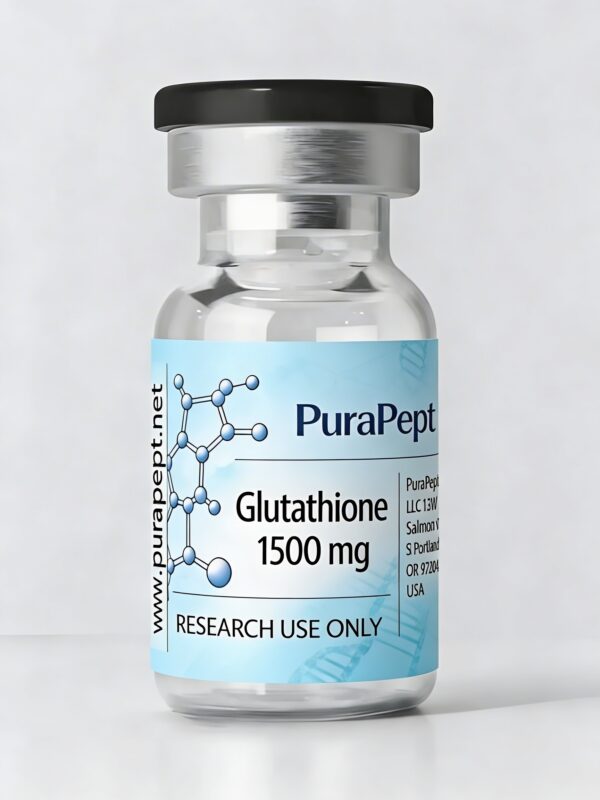
Glutathione also has practical limits: much of it is broken down in the gut, and in solution it oxidises readily. Our Glutathione 1500 mg vial is sized for redox buffers, culture supplementation and extended oxidative-stress experiments.
Longevity peptides compared: target, mechanism and evidence level
“Human evidence” summarises the strongest data that exist today, not how promising the idea is.
| Compound | What it is | Target and mechanism | Hallmarks studied | Strongest evidence | Human evidence |
|---|---|---|---|---|---|
| Epithalon | Synthetic pineal tetrapeptide | Telomerase, chromatin, pineal signalling | Telomere attrition, epigenetic change | Cell and rodent studies, largely one research school | Very limited, mostly unreplicated |
| MOTS-c | Mitochondrial-derived peptide | AMPK via the folate cycle; nuclear stress genes | Nutrient sensing, mitochondrial dysfunction | Mouse studies of metabolism and physical capacity | Observational only |
| SS-31 (elamipretide) | Mitochondria-targeted tetrapeptide | Binds cardiolipin, stabilises electron transport | Mitochondrial dysfunction | Clinical trials in rare mitochondrial disease | Most advanced; phase 2 and 3 trials, mixed results |
| NAD+ | Nucleotide coenzyme | Electron carrier; fuel for sirtuins and PARPs | Nutrient sensing, genomic instability | Extensive animal data; precursor trials | Moderate for raising levels, limited for outcomes |
| Glutathione | Antioxidant tripeptide | Redox buffering, detoxification | Oxidative damage across hallmarks | Large redox literature; small precursor trials | Limited; bioavailability is the obstacle |
How the five fit together
Read the table as layers of one machine. NAD+ is the fuel that sirtuins and repair enzymes spend. SS-31 protects the membrane where fuel becomes ATP. MOTS-c is the signal mitochondria send when energy runs short. Glutathione shields against the damage energy production creates. Epithalon sits apart, working on telomeres and the pineal clock. That is why researchers compare longevity peptides pathway by pathway rather than looking for a single winner.
The wider longevity research toolkit
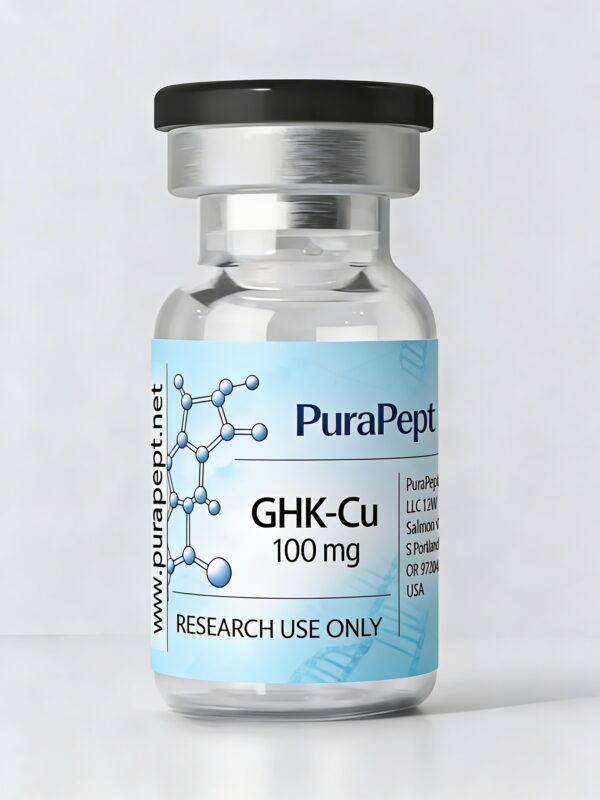
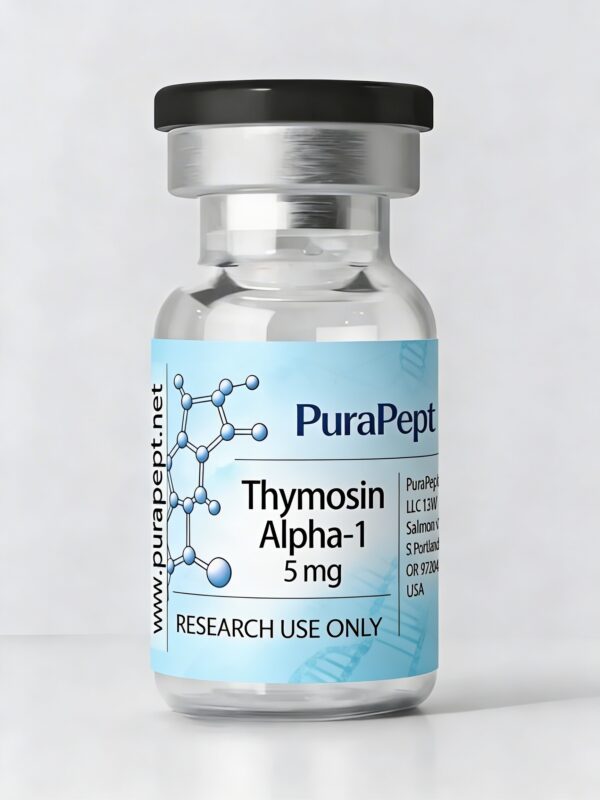
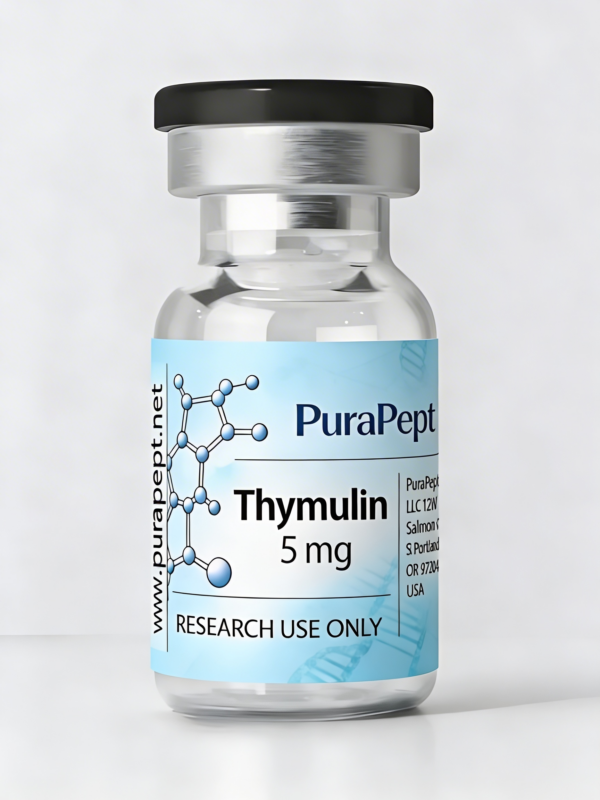
Ageing research reaches beyond these five. The copper peptide GHK-Cu, studied for tissue remodelling and gene expression, features in our recovery peptides guide to BPC-157, TB-500 and GHK-Cu and is available as GHK-Cu 100 mg. Immune ageing is the territory of Thymosin Alpha-1 5 mg and Thymulin, explored in our immune peptides guide. The age-related fall in growth hormone is covered in our growth hormone peptides guide, and the metabolic side of ageing connects to our semaglutide vs tirzepatide comparison. Browse the full range in our peptides category.
Side effects, unknowns and what the careful user monitors
The longevity field runs on optimism, and optimism is where risk hides. Long-term human safety data are absent for Epithalon and MOTS-c, limited for SS-31 outside its trial populations and thin for injectable NAD+ and glutathione. Here is what is known, without minimising or exaggerating.
Known and theoretical effects
- Epithalon: few adverse effects appear in a small literature. The theoretical concern is telomerase activation in someone with an undiagnosed or previous cancer.
- MOTS-c: human safety data are essentially absent. Because it acts on glucose handling, blood sugar effects are a plausible concern, especially alongside diabetes medication.
- SS-31: injection-site reactions such as redness, itching and pain were the most common adverse events in trials, whose participants were closely supervised.
- NAD+: clinic infusions are commonly associated with flushing, nausea, chest tightness, cramping and headache. Researchers have also raised theoretical questions about methyl-group consumption and whether boosting NAD+ could fuel existing tumours.
- Glutathione: inhaled forms can provoke bronchospasm in people with asthma, and regulators in several countries have warned against injectable glutathione sold for skin lightening.
The bigger risks: quality and context
Often the biggest risk is not the molecule but the vial: wrong substance, wrong amount or contamination. The other is context: undiagnosed disease or other medicines create risks a laboratory model never reveals.
What the careful user monitors
People who take longevity seriously measure before they change anything. Under a doctor’s guidance, the markers that matter include:
- Fasting glucose, HbA1c and fasting insulin, because several of these pathways touch glucose handling.
- Lipid profile and blood pressure, the foundations of cardiovascular ageing.
- Liver enzymes and kidney function (creatinine, eGFR), the organs that process and clear these compounds.
- Full blood count and hs-CRP, broad markers of blood health and low-grade inflammation.
- Homocysteine, a window on methylation balance where NAD+ metabolism is concerned.
- Age-appropriate cancer screening, given the open questions around telomerase and NAD+.
- Resting heart rate, sleep and training performance, tracked at home.
Why a doctor belongs in the picture
A doctor can put these markers in context, spot contraindications you may not know you have and judge whether any intervention is appropriate at all. Dose, timing and duration belong in that conversation, never on a forum. Know the rules too: none of the research peptides here is a licensed medicine in the EU, and Rogue sells them strictly for laboratory research. For athletes, WADA’s prohibited list bans non-approved substances at all times under its S0 category, names AMPK activators such as AICAR explicitly and treats intravenous infusions above a set volume as a prohibited method. None of this is for teenagers or beginners, or a shortcut past sleep, training, nutrition and regular check-ups, which remain the best-evidenced longevity tools there are.
Why authenticity matters with longevity peptides
Longevity compounds are a magnet for poor-quality sellers. Demand is high, buyers rarely test what they receive and any effect is slow and subtle, so an inert vial can go unnoticed for months. Grey-market products regularly turn out to be underfilled, mislabelled, degraded or contaminated, and each of the five has its own weak spot:
- Epithalon is short and cheap to make, which makes underfilled or diluted vials easy to produce and hard to detect.
- MOTS-c is a 16-residue chain. Careless synthesis leaves truncated or mis-sequenced fragments that look identical as a white powder.
- SS-31 contains non-standard building blocks that are expensive to source, a classic invitation to substitution.
- NAD+ absorbs moisture readily and degrades in alkaline solution, so storage and transport decide whether it arrives intact.
- Glutathione oxidises to its disulfide form in poor conditions, quietly changing the very redox state a study is trying to measure.
For research, impure material does not just waste money; it invalidates the result. That is why every vial in our PuraPept research peptide line is sealed and tamper-evident, EU-manufactured, batch-tested for identity and purity and traceable to the manufacturer’s lot, with discreet, tracked EU delivery in plain packaging. The standard is identical whether you need high-content Epithalon, mitochondria-targeted SS-31 or high-purity NAD+, and it extends across our research compounds category.
Frequently asked questions
What are the best longevity peptides?
There is no single best one, because each targets a different part of ageing biology. Epithalon is studied for telomeres and the pineal clock, MOTS-c for metabolic signalling and SS-31 for the inner mitochondrial membrane. SS-31 has the most clinical data, and NAD+ and glutathione are studied alongside them.
What does Epithalon do?
Epithalon is a synthetic four-amino-acid peptide derived from research on pineal gland extracts. Cell studies report that it activates telomerase and lengthens telomeres, and animal work links it to melatonin rhythm and survival in ageing models. The evidence comes mostly from one Russian research school and has not been confirmed in large human trials.
Is MOTS-c an exercise mimetic?
It is studied as one. MOTS-c activates AMPK, the energy sensor exercise switches on, rises in human muscle and blood during exercise and improved physical capacity in old mice. Without controlled human trials, it remains a research hypothesis rather than a replacement for training.
What is SS-31 (elamipretide) used for?
SS-31 is a mitochondria-targeted peptide that binds cardiolipin in the inner mitochondrial membrane. As elamipretide it has been trialled in Barth syndrome, primary mitochondrial myopathy, heart failure and eye disease, with mixed results. In research it is used to study bioenergetics and age-related mitochondrial decline.
What are the benefits of NAD+?
NAD+ is essential for turning food into cellular energy and fuels sirtuins and DNA repair enzymes. Because levels fall with age, restoring them has improved mitochondrial, muscle and metabolic function in animal models. In humans, precursors reliably raise NAD+ levels, but proven health benefits remain modest and mixed.
Is NAD+ better than NMN or NR?
Not demonstrably. NAD+ struggles to enter cells, and outside them much of it is broken down into precursors before being rebuilt. NR and NMN have more human data for raising NAD+ levels; whether NAD+ itself offers anything extra is still an open question.
Do longevity peptides extend lifespan in humans?
No compound in this guide has been shown to extend human lifespan. Lifespan effects have been reported in some animal studies, particularly for Epithalon, but they need independent confirmation. Sleep, training, nutrition and medical check-ups remain the best-evidenced longevity strategies.
The bottom line on longevity peptides
Longevity peptides are among the most intellectually exciting compounds in modern biology. Epithalon tests whether telomeres and the pineal clock can be nudged back towards youth. MOTS-c shows that mitochondria talk back to the nucleus and that exercise speaks through them. SS-31 shows that targeting a single membrane lipid can be compelling enough to reach late-stage clinical trials. NAD+ and glutathione sit underneath it all as the fuel and the shield of cellular energy. The careful, conscious researcher holds two truths at once: the mechanisms are real and the early results compelling, yet human evidence is still young, and no compound has been shown to extend human lifespan.
Rogue’s peptides are sold for research purposes only and are not for human consumption. When authenticity, batch traceability and discreet EU delivery matter, explore the full Rogue peptides collection, from MOTS-c and laboratory-scale glutathione to the wider metabolic toolkit, and build your work on material you can trust.
This article is for educational purposes only and is not medical advice. Prescription medicines and performance compounds carry real risks; speak to a qualified doctor before using any of them, and never use them if you are under 18.
Products in this guide
-
 +90 Rogue Points
-
 +50 Rogue Points
-
 +40 Rogue Points
-
 +80 Rogue Points
-
 +50 Rogue Points
-
 +70 Rogue Points
-
 +50 Rogue Points
-
 +90 Rogue Points
-
 +50 Rogue Points
-
 +50 Rogue Points
-
 +40 Rogue Points
-
 From +50 Rogue Points
Thymulin
50,00 €Select options This product has multiple variants. The options may be chosen on the product page
Keep reading
 Peptide Research
 Peptide Research
 Peptide Research