


Clenbuterol and Ketotifen, T3 & T4: Cutting Compounds Explained

Every serious cut reaches the same point: the deficit is set, the training is sharp, and the last layer of fat refuses to move. That is usually when people start researching clenbuterol and ketotifen, the thyroid hormones T3 and T4, and a newer generation of research compounds that target fat metabolism. This guide explains what each one does, why experienced users choose it, why its effect changes over time and what must be monitored so a cut sharpens your physique instead of taxing your heart, thyroid or muscle.
This is written for the careful, conscious user: the person who gets bloodwork, involves a doctor, buys authentic sealed product and sets realistic goals. For that person, the right tool can make a disciplined diet more efficient; without that framework, it makes a chaotic diet more dangerous.
Two ground rules. Clenbuterol, liothyronine (T3) and levothyroxine (T4) are prescription-only medicines in most of Europe, clenbuterol is prohibited in tested sport under the WADA code, and none of them is for beginners or anyone under 18. AOD-9604, HGH Frag 176-191 and 5-amino-1MQ are research compounds: Rogue’s peptides are sold for research purposes only and are not for human consumption. Nothing here is a protocol; dose and duration are decisions for you and your doctor.
Key takeaways
- Clenbuterol is a beta-2 agonist, not a hormone or a steroid. It raises energy expenditure and fat breakdown, and its effect fades as beta-2 receptors downregulate.
- Ketotifen is an antihistamine and mast-cell stabiliser, paired with clenbuterol because older research suggests it may restore beta-receptor responsiveness: plausible, but thinly evidenced.
- T3 (liothyronine) is the active thyroid hormone: fast, potent and short-acting. T4 (levothyroxine) is the slower prohormone the body converts into T3.
- Thyroid hormone speeds up the turnover of muscle too. Without enough protein and heavy training, part of what you lose is lean tissue.
- AOD-9604, HGH Frag 176-191 and 5-amino-1MQ have mostly preclinical evidence and are sold for laboratory research only.
- The real cost of an assisted cut is cardiovascular. Heart rate, blood pressure, rhythm and electrolytes must be monitored with a doctor.
What actually happens in a cutting phase
Fat loss is governed by energy balance, but the body treats a deficit as a threat and makes each kilo harder to lose. That response explains why clenbuterol and thyroid hormone became popular.
The body pushes back
As a deficit continues, adaptations stack up. Leptin falls with fat mass. Sympathetic tone drops, so you burn less at rest. Everyday movement quietly declines. Conversion of the prohormone T4 into active T3 slows, and hunger rises. The sum is called adaptive thermogenesis, and it is why a deficit that worked brilliantly early on can stall later.
Mobilise, transport, oxidise
Losing fat takes three steps. Stored triglyceride is broken down inside the fat cell (lipolysis), switched on by catecholamines via beta-adrenergic receptors and off by insulin and alpha-2 receptors. The fatty acids travel through the blood, then must be burned in muscle and liver, or they are simply stored again. Stubborn fat on the lower abdomen and hips carries more alpha-2 receptors and poorer blood flow, so it goes last.
Where compounds fit, and where they do not
Every compound in this guide acts on one of those steps: raising energy expenditure, stimulating lipolysis or countering the drop in active thyroid hormone. None of them can create a deficit your nutrition has not created. The careful user treats them as a margin on a plan that already works: calories measured, protein high, training heavy, sleep protected. If those pieces are missing, read our honest breakdown of what fat burners actually do and why sleep is the most underrated performance tool first.
Clenbuterol explained: the beta-2 agonist behind the reputation
Clenbuterol hydrochloride is a long-acting beta-2 adrenergic receptor agonist. It is not a hormone, a steroid or a supplement but a sympathomimetic drug that mimics part of the body’s fight-or-flight signalling, and almost everything people like and dislike about it follows from that.
From bronchodilator to cutting compound
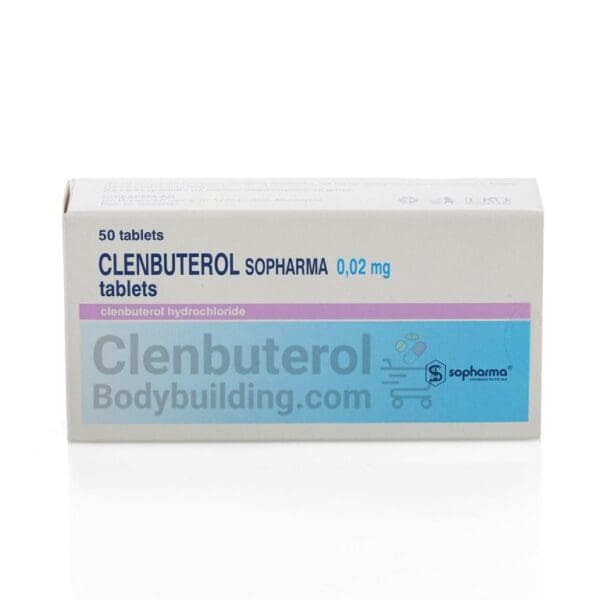
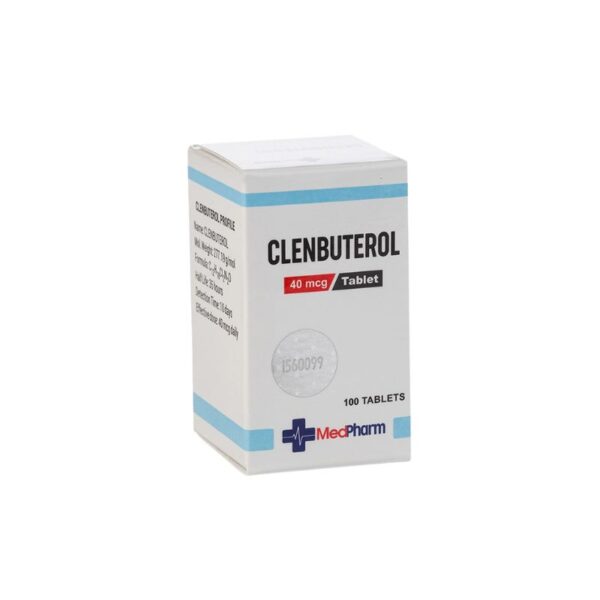
Clenbuterol was developed as a bronchodilator that relaxes the airways, and it remains licensed for respiratory use in humans in some countries and in horses in veterinary medicine. Its second life began when livestock research showed that beta-2 agonists shift carcass composition towards more muscle and less fat. That repartitioning effect is why the EU banned clenbuterol as a growth promoter in food-producing animals, and why bodybuilders took notice. Rogue stocks original Sopharma Clenbuterol 0.02 mg tablets and genuine EU-produced Clenbuterol 40 mcg tablets, both in our Fat Burners category.
How it drives thermogenesis and fat breakdown
When clenbuterol binds a beta-2 receptor, a stimulatory G-protein switches on adenylyl cyclase and cyclic AMP rises inside the cell. In fat cells, cyclic AMP activates protein kinase A, which activates hormone-sensitive lipase and frees stored triglyceride as fuel. Elsewhere the same signal raises energy expenditure and heat production, felt as warmth, sweating and often a fine tremor. Because beta-2 receptors also sit in the heart and blood vessels, heart rate rises too, which is the side of the ledger the careful user watches most closely.
Its elimination half-life in humans is commonly reported at well over a day, so effects and side effects persist far longer than caffeine’s, one more reason dosing belongs with a doctor.
The muscle-sparing question
In cattle and rodents, beta-2 agonists reduce muscle breakdown and can build muscle, hence clenbuterol’s muscle-sparing reputation. Human evidence is far thinner; in people it is better understood as a thermogenic agent than an anabolic one.
Why the effect fades: receptor downregulation
Clenbuterol works less well the longer its receptors are exposed to it. Continuous stimulation triggers a well-characterised defence: G-protein-coupled receptor kinases phosphorylate the activated receptor, beta-arrestins bind and uncouple it, and the receptor is pulled inside the cell. With prolonged exposure, the number of receptors on the cell surface falls. Clinicians call the result tachyphylaxis; users simply notice the warmth and appetite suppression fade.
The dangerous response is to chase the fading effect with ever larger amounts, which raises cardiovascular strain without restoring the benefit. The careful response is to accept a limited window and let a doctor decide on timing and breaks. That limitation is where ketotifen enters the story.
20 mcg or 40 mcg tablets: what is the difference?
The molecule is identical. The Sopharma tablets contain 0.02 mg (20 mcg) of clenbuterol hydrochloride and come from the manufacturer behind our wider Sopharma range; the 40 mcg tablets come in sealed, batch-coded packs of 100. Strength is a matter of granularity for whoever sets the dose: your doctor.
Clenbuterol and ketotifen: why the two are paired
Ketotifen appears in almost every forum thread on clenbuterol. One is a stimulant, the other an allergy medicine; the link is receptor biology, and it deserves a clear-eyed explanation.
What ketotifen actually is
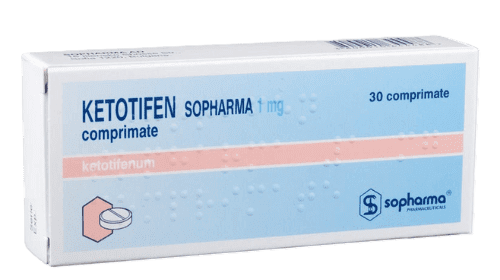
Ketotifen fumarate is an antihistamine with two mechanisms: it blocks H1 histamine receptors and it stabilises mast cells, the immune cells that release histamine in the first place. Medically it is used for hay fever, itchy or watering eyes and allergic skin irritation, and as a long-term supportive treatment in allergic asthma, where its effect builds over weeks. Rogue supplies original Sopharma Ketotifen 1 mg tablets, sealed and traceable.
The resensitisation theory
Asthma is where the connection began. Regular use of beta-2 agonist medicines can blunt their effect over time through the receptor downregulation described above. Researchers investigating ketotifen in asthma during the 1980s and 1990s reported that it appeared to prevent or reverse this loss of beta-receptor responsiveness in some experimental models, including animal studies and laboratory work on human cells. Physique users drew the obvious conclusion: if ketotifen keeps beta-2 receptors responsive, clenbuterol’s thermogenic effect might last longer at the same exposure instead of being chased with escalating amounts.
What the evidence does and does not show
The supporting data are mechanistic, decades old and drawn almost entirely from respiratory and animal research. No controlled human trial shows that ketotifen extends clenbuterol’s fat-loss effect. Treat the pairing as a plausible hypothesis, not an established protocol. Nor is it protection: ketotifen is not a heart medicine, and restoring beta-receptor responsiveness could just as plausibly restore the heart-rate response that came with it.
The trade-offs: sedation and appetite
Two of ketotifen’s best-documented side effects work against a diet. Drowsiness is common, particularly in the first days, so driving is off the table until you know how it affects you. Increased appetite and weight gain are also listed effects. Alcohol and other sedatives intensify the drowsiness, and adding ketotifen means two sets of interactions to review with your doctor.
T3 vs T4: thyroid hormones in a cutting phase
Clenbuterol works on the cell surface; thyroid hormones work inside the nucleus, changing which genes a cell expresses and how fast it runs.
Thyroid physiology in three steps
The hypothalamus releases TRH, which tells the pituitary to release thyroid-stimulating hormone (TSH). TSH drives the thyroid to produce mostly thyroxine (T4) with a smaller share of triiodothyronine (T3). Enzymes called deiodinases in the liver, kidneys and muscle then convert T4 into active T3, or into inactive reverse T3. T3 binds nuclear receptors and switches on genes that raise metabolic rate: more mitochondria, more heat, faster protein turnover and a faster heart. It also increases the number of beta-adrenergic receptors on cells, a detail that matters later. Negative feedback closes the loop: when T4 and T3 are high, TSH falls.
Why dieting lowers your T3
A sustained deficit, especially a low-carbohydrate one, reduces conversion of T4 into T3 and shifts more towards reverse T3, so active hormone drifts down while TSH may look normal. Offsetting that drop is the rationale for thyroid hormone in physique circles.
T3 (liothyronine): fast, direct and potent
Liothyronine is synthetic T3, the active hormone itself. It needs no conversion, acts within hours and has a half-life of roughly a day, so levels rise and fall more sharply than with T4. That potency is why it is the thyroid hormone most associated with cutting, and the one that causes most trouble when misused. Rogue’s T3 Cytomel (Uni-Pharma Tiromel, 25 mcg liothyronine) comes as 100 sealed, EU-manufactured, batch-traceable tablets.
T4 (levothyroxine): the slow, steady prohormone
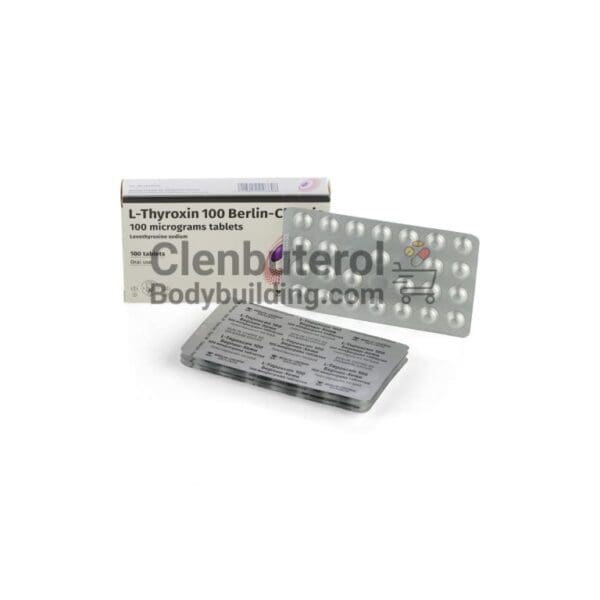
Levothyroxine is synthetic T4, one of the most prescribed medicines in Europe, chiefly for hypothyroidism. Its half-life is around a week, so it takes weeks to settle and its effect is gradual. Because it must be converted into T3, its impact depends partly on deiodinase activity, which a deficit tends to slow. Berlin-Chemie L-Thyroxine 0.1 mg is the original EU product, sealed and traceable, part of the Berlin-Chemie range we stock for provenance you can verify.
The muscle cost: why protein becomes non-negotiable
Thyroid hormone does not choose what it burns. It accelerates muscle protein turnover too; in clinical hyperthyroidism, muscle wasting and weakness are well-recognised features. In a deficit with protein too low or training too light, a meaningful share of what the scale shows can be lean tissue. The careful user counters this with high protein, heavy resistance training and body-composition tracking. Our Nutrition range, including the Monthly Rogue Beast Pack, covers that foundation, and our piece on protein timing and the anabolic window explains how to distribute your intake. That cost is why thyroid hormones are often discussed alongside anabolic agents, covered in our comparison of oral anabolic steroids; combining compounds multiplies the stakes.
Suppression: what happens to your own thyroid
Take thyroid hormone from outside and TSH falls, so your own thyroid produces less. After stopping, function can sit below normal for a while, with fatigue and cold intolerance, before the axis recovers on a timeline that varies. A thyroid panel (TSH, free T4, free T3) before, during and after use is the only way to know where you stand, and how to come off is a decision for your doctor.
Research compounds: AOD-9604, HGH Frag 176-191 and 5-amino-1MQ
A newer category targets fat metabolism without the stimulant load of clenbuterol or the reach of thyroid hormone. The science is interesting; the evidence is mostly preclinical. Rogue’s peptides are sold for research purposes only and are not for human consumption; what follows describes what research has studied, not what anyone should do.
HGH Frag 176-191: growth hormone’s lipolytic tail
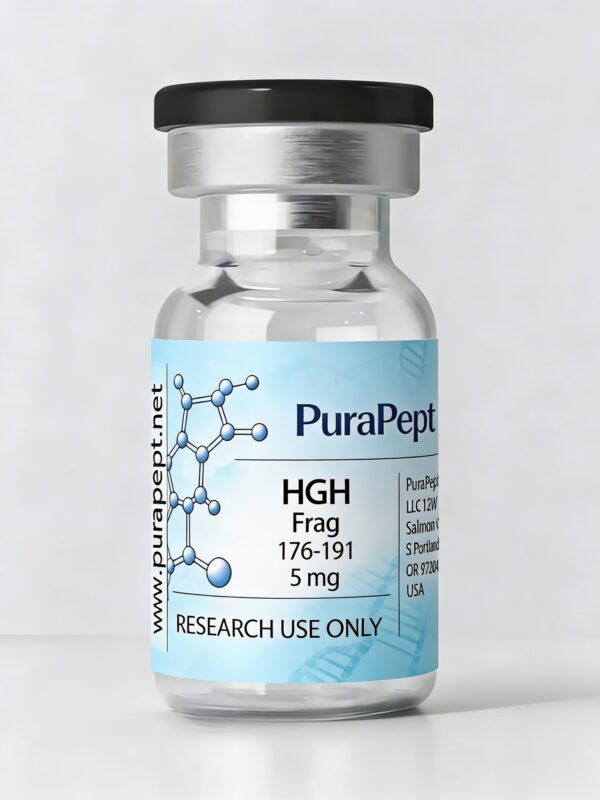
Human growth hormone is a 191-amino-acid protein with several, sometimes competing, activities. Researchers characterised its C-terminal region, amino acids 176 to 191, to test whether its fat-metabolism activity could be separated from its growth-promoting and IGF-1-mediated effects. HGH Frag 176-191 5 mg has been studied in adipose tissue models for lipolytic signalling, where sequence fidelity is everything.
AOD-9604: the engineered fragment
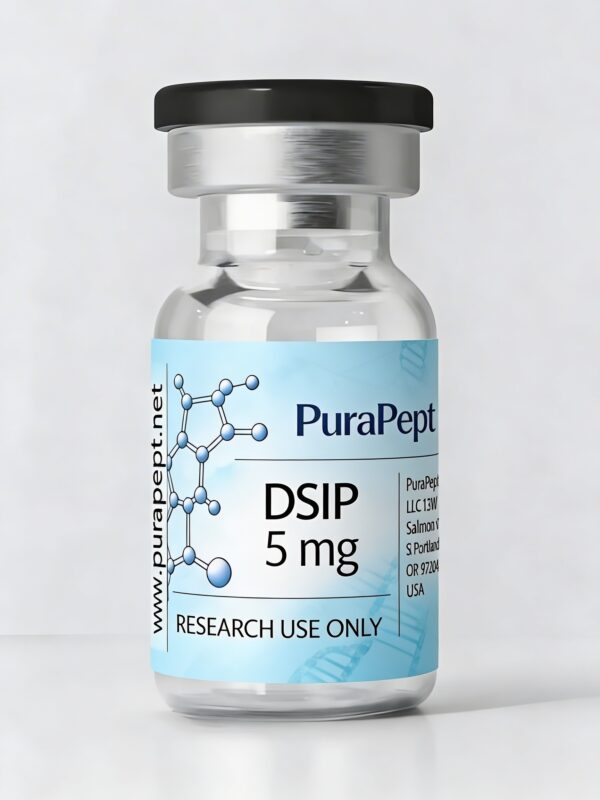
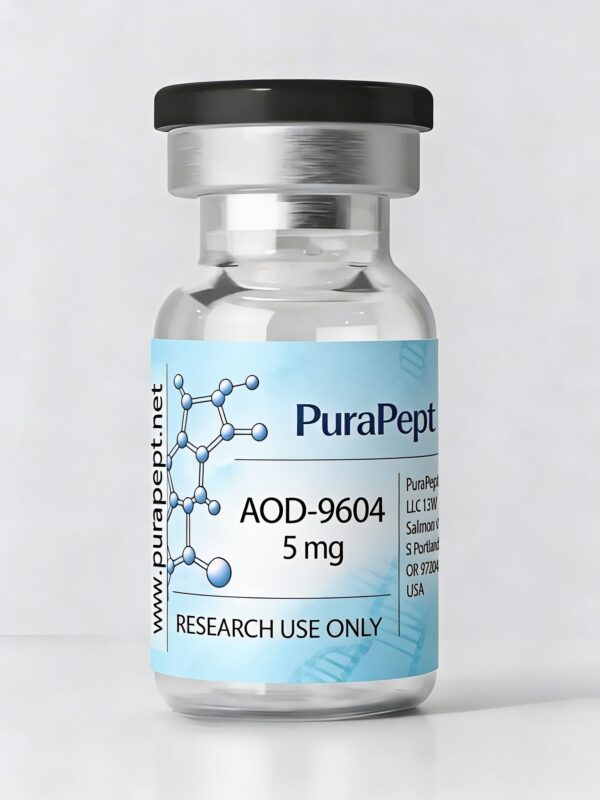
AOD-9604 5 mg is a modified analogue of the same region with an added tyrosine. It was developed as a potential anti-obesity drug and has been studied in animal models for effects on lipolysis and lipogenesis. Human trials in the 2000s did not produce weight-loss results strong enough for it to reach the market as an obesity treatment, an honest data point to weigh against its online reputation.
5-amino-1MQ: an NNMT inhibitor, not a peptide
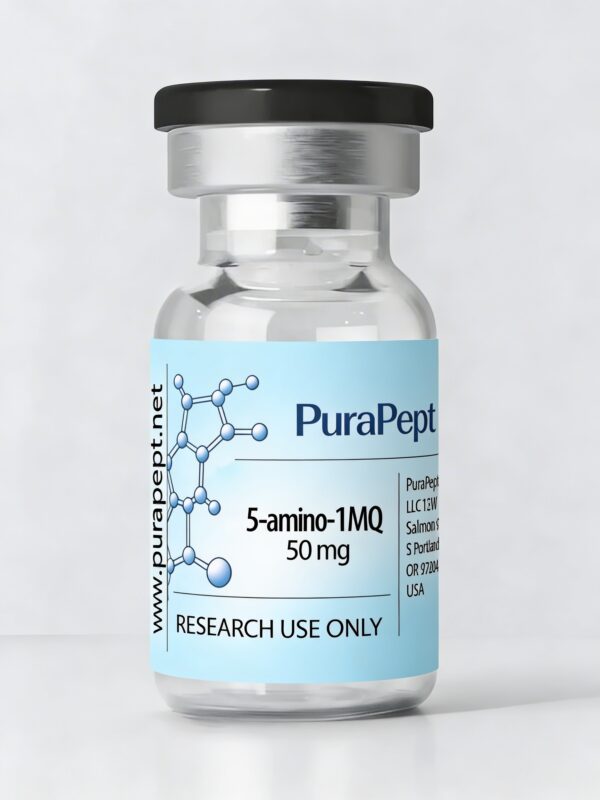
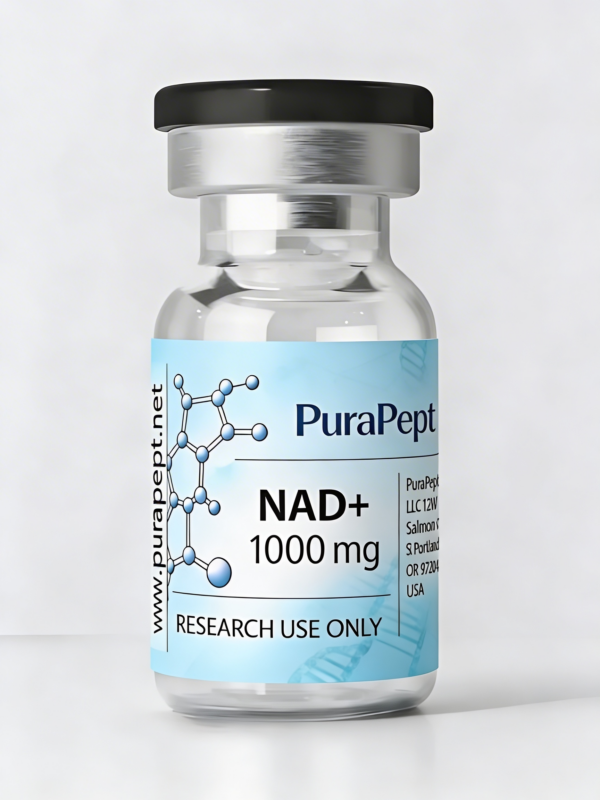
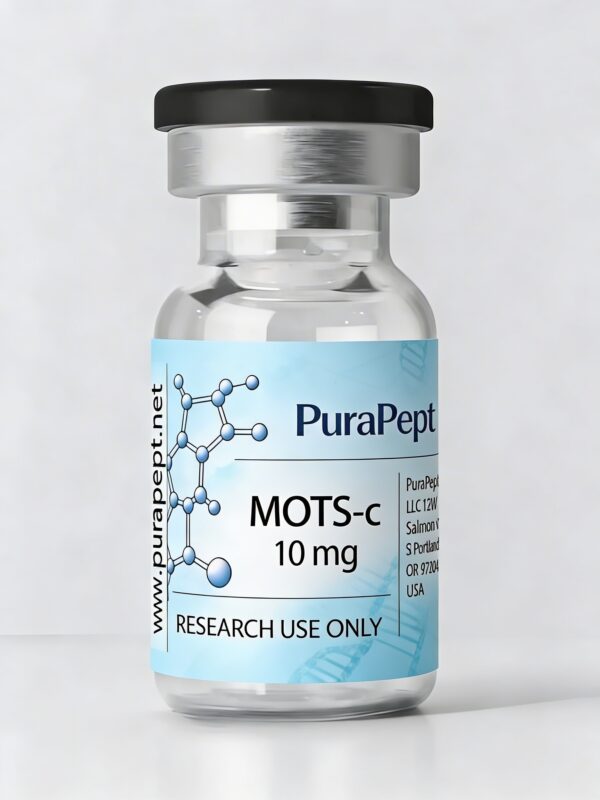
5-amino-1MQ 50 mg is a small molecule that inhibits nicotinamide N-methyltransferase (NNMT), an enzyme highly expressed in fat tissue and liver. NNMT consumes nicotinamide, an NAD+ precursor, and the methyl donor S-adenosylmethionine. Inhibiting it has been studied as a way to preserve NAD+ and alter energy handling in fat cells, and published work in diet-induced obese mice reported lower body weight and fat mass without a change in food intake. Human data are lacking. It sits alongside research tools such as NAD+ 1000 mg and MOTS-c 10 mg.
Why research-grade means research-only
Every lot in our peptides range, supplied under the PuraPept name, is batch-tested and traceable, as is the wider research compounds category. Appetite-acting incretin peptides such as semaglutide work differently again and are likewise sold for research only.
Cutting compounds compared side by side
How each compound works, how fast it acts and what a doctor would monitor: a map of mechanisms, not a menu.
| Compound | Class | Main mechanism | Onset and duration | Key monitoring | Status |
|---|---|---|---|---|---|
| Clenbuterol | Beta-2 adrenergic agonist | Sympathetic stimulation: lipolysis and thermogenesis | Long-acting, half-life over a day; effect fades as receptors downregulate | Heart rate, blood pressure, ECG, potassium, glucose | Prescription-class medicine; WADA-prohibited at all times |
| Ketotifen | H1 antihistamine and mast-cell stabiliser | Allergy control; studied for preserving beta-receptor responsiveness | Effect builds over weeks | Sedation, appetite, drug interactions | Licensed allergy and asthma medicine; status varies by country |
| T3 (liothyronine) | Active thyroid hormone | Nuclear receptor activation, higher metabolic rate | Acts within hours; half-life about a day | TSH, free T3, free T4, heart rate, lean mass | Prescription-only in most of Europe |
| T4 (levothyroxine) | Thyroid prohormone | Converted to T3 in the tissues | Gradual; half-life about a week | TSH, free T4, free T3, heart rate | Prescription-only in most of Europe |
| HGH Frag 176-191 | Growth hormone fragment | Studied for lipolytic signalling in adipose models | Preclinical data | Not applicable: research use only | Research compound; WADA-prohibited GH fragment |
| AOD-9604 | Modified growth hormone fragment | Studied for effects on lipolysis and lipogenesis | Animal data and early human trials | Not applicable: research use only | Research compound; WADA-prohibited GH fragment |
| 5-amino-1MQ | Small-molecule NNMT inhibitor | Studied for NAD+ preservation and fat-cell energy handling | Preclinical (mouse) data | Not applicable: research use only | Research compound; not approved for human use |
The licensed medicines act hard on systems that also run your heart; the research compounds act on narrower pathways with far less human evidence.
Side effects and risk management: what the careful user monitors
With cutting compounds the costs concentrate in the cardiovascular system. Saying so is not alarmism; it is what lets an adult decide soundly with a doctor.
The heart is the limiting factor
Clenbuterol raises heart rate and can cause palpitations and rhythm disturbances, particularly at high exposure or with an underlying heart problem. In animal studies, sustained high exposure has produced cardiac hypertrophy (enlargement of the heart muscle) and damage to heart muscle cells, and the medical literature contains case reports of arrhythmias and heart muscle injury in young people who misused it. Excess thyroid hormone raises heart rate and contractility and, over time, the risk of atrial fibrillation. Because T3 increases the number of beta-adrenergic receptors, combining thyroid hormone with a beta-agonist can amplify the effect on the heart, not merely add to it. A resting heart rate that keeps climbing is a reason to stop, not to push through.
Electrolytes, cramps, glucose and sleep
Beta-2 agonists drive potassium into cells, and low blood potassium (hypokalaemia) contributes both to the cramps users report and to rhythm risk. Clenbuterol can also raise blood glucose and cause tremor, headaches, sweating, restlessness and anxiety, and its long half-life makes insomnia common. Poor sleep then erodes appetite control and recovery.
Thyroid-specific risks
Excess thyroid hormone can cause palpitations, tremor, heat intolerance and anxiety, and over time can affect bone and lean tissue. Suppression of your own thyroid is an expected consequence, not a rare complication. Levothyroxine absorption is affected by food, calcium, iron and other medicines, so disclose everything you take.
The monitoring checklist
A careful user, working with a doctor, typically tracks:
- Resting heart rate and blood pressure, measured at home each morning so a trend is visible.
- An ECG before starting, with further cardiac assessment if your doctor sees reason.
- Electrolytes, particularly potassium and magnesium.
- Fasting glucose and, where relevant, HbA1c.
- A full thyroid panel (TSH, free T4, free T3) before, during and after thyroid hormone use.
- Body composition, by DEXA or consistent measurements, to confirm you are losing fat rather than muscle.
- Sleep, mood and anxiety, early warning signs that the load is too high.
Why a doctor belongs in the loop
A doctor can interpret an ECG, spot contraindications, check interactions (beta-blockers, antidepressants, other stimulants, even heavy caffeine) and decide when to stop. Chest pain, fainting, a racing or irregular heartbeat or severe breathlessness mean stopping immediately and seeking urgent care.
Who should not use these compounds
Clenbuterol is unsuitable for anyone with a heart condition, high blood pressure, an arrhythmia, a thyroid disorder or an anxiety disorder. Thyroid hormone without a clinical indication is unsuitable for anyone with cardiovascular or adrenal conditions. Neither belongs in pregnancy or breastfeeding, in teenagers or in beginners.
WADA, legal status and why this is not beginner territory
If you compete in a tested sport, the clenbuterol conversation ends here. It sits on the World Anti-Doping Agency (WADA) Prohibited List among the anabolic agents and is banned at all times, in and out of competition. Anti-doping runs on strict liability, and testing is sensitive enough to catch trace amounts. Growth hormone fragments are prohibited too, with AOD-9604 and hGH 176-191 named as examples, and substances not approved for human use fall under WADA’s non-approved substances category. Check the list every year.
Outside sport, clenbuterol, liothyronine and levothyroxine are prescription-only medicines in most of Europe, and the legal position varies by country; checking the rules where you live is your responsibility.
Rogue’s level system places clenbuterol in the Advanced and Crazy mf*cka (Elite) tiers for a reason. None of these compounds is for teenagers, whose systems are still developing, or for anyone who has not first run a disciplined cut on diet and training alone. If that is you, start with how to structure your training week.
Why authenticity matters more with cutting compounds
Clenbuterol is among the most counterfeited compounds online, and underdosed, overdosed or mislabelled tablets are common in grey-market supply. With a microgram-potency drug, a tablet carrying several times its stated content can turn a cautious plan into a cardiac emergency. Thyroid hormone carries the same risk, and with research peptides purity is the entire point. That is why Rogue stocks only sealed, EU-manufactured product traceable to the manufacturer:
- Sopharma Clenbuterol 0.02 mg and Clenbuterol 40 mcg: sealed blisters, verifiable batch codes, never repackaged.
- Ketotifen 1 mg by Sopharma: original EU manufacture.
- T3 Cytomel (Tiromel) from Uni-Pharma and L-Thyroxine by Berlin-Chemie: genuine, batch-traceable thyroid hormone.
- AOD-9604, HGH Fragment 176-191 and 5-amino-1MQ: batch-tested research vials, for laboratory research only.
Every order ships in plain packaging with tracked, discreet EU delivery. Provenance is the one variable you fully control.
Frequently asked questions
Why is ketotifen taken with clenbuterol?
Older asthma and animal research suggested that ketotifen, an antihistamine and mast-cell stabiliser, could help preserve beta-receptor responsiveness. Users pair it with clenbuterol hoping to slow the downregulation that makes the effect fade. The idea is plausible but untested in human fat-loss trials, and ketotifen can cause drowsiness and increased appetite.
Is clenbuterol a steroid?
No. Clenbuterol is a beta-2 agonist developed as a bronchodilator, with no steroid structure. WADA nonetheless lists it among the anabolic agents because of its effects on muscle in animal research, and it is prohibited at all times in tested sport.
How long does clenbuterol stay in your system?
Its half-life in humans is commonly reported at more than a day, so it clears far more slowly than most stimulants, and anti-doping laboratories can detect traces long after any effect has gone.
Does clenbuterol burn muscle or build it?
Beta-2 agonists build muscle in livestock, but human evidence for a meaningful anabolic effect is weak. Preserving muscle during a cut depends on protein intake and heavy training far more than on any beta-agonist.
What is the difference between T3 and T4 for fat loss?
T3 (liothyronine) is the active hormone: it acts within hours, has a half-life of about a day and is more potent. T4 (levothyroxine) is the prohormone the body converts into T3, acting gradually with a half-life of about a week. Both suppress your own thyroid and need medical supervision with bloodwork.
Will taking T3 shut down my thyroid?
External thyroid hormone lowers TSH, so your own thyroid produces less while you take it. After stopping, function can be below normal while the axis recovers, which in healthy people usually happens at a pace that varies. Bloodwork interpreted by a doctor is how this is managed.
Is AOD-9604 the same as HGH Frag 176-191?
They are closely related but not identical. HGH Frag 176-191 corresponds to amino acids 176 to 191 of human growth hormone, while AOD-9604 is a modified version of that region with an added tyrosine. Both are research compounds, both are named by WADA as prohibited growth hormone fragments, and Rogue sells both for laboratory research only.
Can clenbuterol and T3 be used together?
Some advanced users combine them, but thyroid hormone increases beta-adrenergic receptor numbers and can amplify clenbuterol’s effect on heart rate and rhythm. No combination should be attempted without a doctor, a baseline ECG and ongoing monitoring. With any cardiovascular risk factor, the answer is simply no.
The bottom line
Clenbuterol and ketotifen, T3 and T4 each answer a real problem in a long cut: falling energy expenditure, stubborn fat and a slowing thyroid. Clenbuterol raises thermogenesis and lipolysis until its receptors adapt; ketotifen is the plausible but unproven attempt to stretch that window; T3 and T4 counter the diet-driven drop in active thyroid hormone, at a cost to muscle, heart and thyroid output when misused. For the careful, conscious user with bloodwork, a doctor and authentic product, these tools can make a disciplined cut more efficient. For everyone else, the plan comes first.
When you are ready, explore our Fat Burners range and the wider Performance collection, all sealed, traceable and delivered discreetly across the EU. Rogue’s peptides are sold for research purposes only and are not for human consumption. If your plans also involve anabolic compounds, read our guide to post-cycle therapy and restoring natural testosterone before you begin.
This article is for educational purposes only and is not medical advice. Prescription medicines and performance compounds carry real risks; speak to a qualified doctor before using any of them, and never use them if you are under 18.
Products in this guide
-

 From +29 Rogue Points
Clenbuterol
Price range: 29,99 € through 189,99 €Select options This product has multiple variants. The options may be chosen on the product page -
 +29 Rogue Points
-
 +30 Rogue Points
-
 +40 Rogue Points
-

 +40 Rogue Points
-
 +126 Rogue Points
-
 +60 Rogue Points
-
 +60 Rogue Points
-
 +50 Rogue Points
-
 +90 Rogue Points
-
 +50 Rogue Points
-
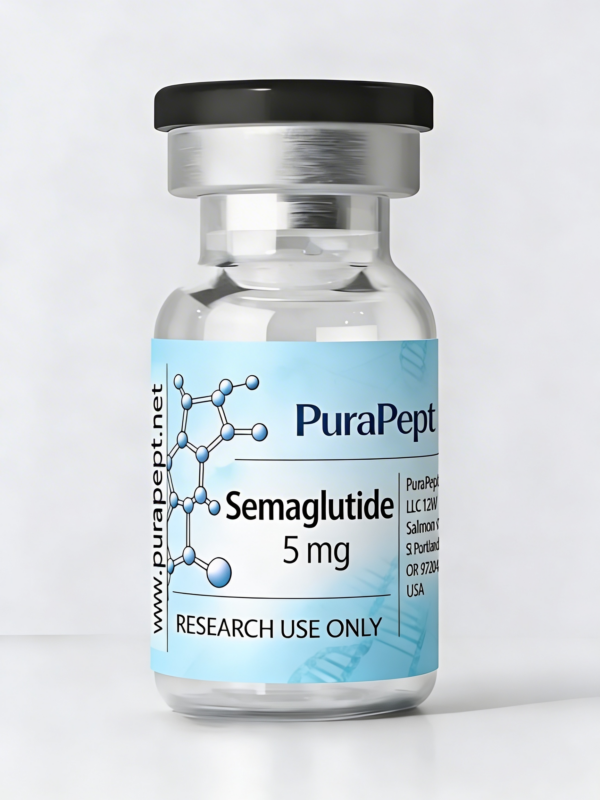 From +50 Rogue Points
Semaglutide
Price range: 50,00 € through 80,00 €Select options This product has multiple variants. The options may be chosen on the product page
Keep reading
 Sexual Health
 Peptide Research
 Performance Guides