


AOD-9604 Explained: The hGH Fragment, Trial Results & Research
Few research peptides have a back story as instructive as AOD-9604. It began as an elegant idea at an Australian university: take the stretch of human growth hormone that appears to govern fat metabolism, cut away everything else, and keep the fat-mobilising signal without the growth-promoting one. Today it is one of the most searched compounds in metabolic research, and the real story, including what the human trials showed and what they did not, is far more useful than any marketing claim.
This guide covers where AOD-9604 came from, how it is thought to act on fat cells without raising IGF-1, the animal and human evidence read honestly, the newer joint research, and how it compares with Tesamorelin 10 mg, the selective secretagogue Ipamorelin 5 mg, GLP-1 drugs such as semaglutide and the mitochondrial peptide MOTS-c 10 mg, with a comparison table and the risks a careful researcher accounts for.
One point before we begin. Rogue’s peptides are sold for research purposes only and are not for human consumption. Much of what follows describes preclinical work and early-phase clinical data, and where the evidence is thin or negative we say so plainly. It is here so you understand the science, not as a protocol.
Key takeaways
- AOD-9604 is a modified fragment from the tail of human growth hormone (the 176-191 region), developed at Monash University and taken into clinical trials by Metabolic Pharmaceuticals as a potential obesity drug.
- It was designed to keep growth hormone’s effect on fat metabolism without its growth-promoting activity: in studies it did not activate the GH receptor or raise IGF-1.
- Animal studies showed more lipolysis and less fat gain. In people, the decisive phase IIb trial did not beat placebo for weight loss, and obesity development stopped in 2007.
- The human programme left a reassuring short-term tolerability record, with adverse events similar to placebo.
- Research interest has since widened to cartilage and joint repair, where animal work is early but intriguing.
- AOD-9604 is neither tesamorelin (a GHRH analogue licensed in the US for visceral fat) nor a GLP-1 drug like semaglutide, which has large phase III data behind it.
- It is not an approved medicine in the EU and is prohibited in tested sport under WADA rules, and authenticity matters as much here as with any peptide.
What is AOD-9604?
AOD-9604 is a synthetic peptide of sixteen amino acids built on the very end of the human growth hormone molecule. Full-length growth hormone, known as somatropin, is a chain of 191 amino acids folded into a four-helix bundle. The peptide reproduces the last stretch of that chain, the 176-191 region, including the small loop held together by a disulphide bridge, with one deliberate change at the front of the sequence: a tyrosine takes the place of the native residue. That is why it is described both as “modified hGH 176-191” and as “hGH 177-191 with an added tyrosine”: the same molecule either way. The name stands for Advanced Obesity Drug (sometimes expanded as anti-obesity drug), and the number is its development code.
From Monash University to Metabolic Pharmaceuticals
The work began in the 1990s at Monash University in Melbourne, where a team led by Professor Frank Ng asked whether growth hormone’s many activities (driving growth, raising IGF-1, opposing insulin, mobilising stored fat) live in different parts of the molecule. Their experiments with fragments of the hormone’s C-terminal tail suggested that part of its effect on fat metabolism could be reproduced by a short peptide carrying none of the growth-promoting activity.
The modified fragment was then developed by Metabolic Pharmaceuticals, a Melbourne biotech company that took it into clinical development as a potential treatment for obesity. That origin explains the design logic. It is not a “weaker HGH”; it is an exercise in separation of function, one useful property of a powerful hormone isolated from the rest of the package.
AOD-9604 vs HGH Frag 176-191
One of the most common questions is whether AOD-9604 and HGH Frag 176-191 are the same thing. They are very close relatives: sixteen-residue peptides from the same region of growth hormone, studied for the same lipolytic question. The tyrosine-modified AOD-9604 is the one that went through the clinical programme and has a human safety record behind it, while HGH Frag 176-191 usually denotes the fragment used as a structure-function reference. If your research question depends on the clinical literature, that is the molecule it describes.
How AOD-9604 works: lipolysis without the IGF-1 rise
To understand this peptide, you first need to understand what growth hormone does to fat, and why its other effects make it such a difficult tool.
Growth hormone’s split personality
Full-length growth hormone acts by binding two copies of the GH receptor at once, which switches on the JAK2-STAT5 signalling pathway inside the cell. In the liver, that signal drives production of IGF-1, which carries most of growth hormone’s growth-promoting and anabolic effects. In fat tissue, growth hormone increases lipolysis: the breakdown of stored triglycerides into free fatty acids and glycerol that can be used for energy. It also raises blood glucose by opposing insulin, so with somatropin the fat loss arrives together with fluid retention, reduced insulin sensitivity and growth signalling. Our guide to growth hormone peptides, CJC-1295, ipamorelin and HGH walks through the whole axis in detail.
What AOD-9604 does in fat cells
AOD-9604 is far too small to engage the GH receptor the way the whole hormone does, and studies found that it does not activate it. In isolated fat cells and in rodent studies, however, it reproduced part of the hormone’s metabolic behaviour:
- Increased lipolysis: more release of stored fat from adipocytes.
- Reduced lipogenesis: less conversion of incoming energy into new stored fat.
- Greater fat oxidation: treated obese mice burned more fat and gained less body fat than untreated animals.
What AOD-9604 does not do
The defining feature of the fragment is the list of things it did not do in those studies. It did not stimulate cell growth the way full growth hormone does, it did not raise IGF-1, and it did not reproduce the blood-sugar-raising, insulin-opposing effect of the whole hormone. The later human data pointed the same way, with no rise in IGF-1 reported. For researchers, that clean separation is the entire attraction.
The beta-3 question
Rodent work linked part of AOD-9604’s effect to beta-3 adrenergic receptors, which help switch on fat breakdown in rodent fat tissue. That detail may matter. Beta-3 receptors are far more prominent in rodent fat than in adult human fat, and other approaches that looked impressive in rodents have struggled to translate for the same reason. It is one plausible explanation, not a proven one, for why striking animal results did not carry over into human weight loss.
AOD-9604 results: what the human trials did and did not show
“AOD 9604 results” is one of the most common searches around this peptide, and it is exactly where online claims and the actual record diverge most.
Animal studies: a clear signal
In obese rodents, AOD-9604 reduced body-fat gain, increased fat oxidation and shifted fat tissue from storage towards release. The effect was consistent, the mechanism plausible, and the absence of IGF-1 and glucose effects made the case attractive enough to take the compound into people.
Early human trials: tolerability first, then a hint of efficacy
Metabolic Pharmaceuticals ran a series of clinical trials through the early and mid-2000s. The first examined safety and tolerability in healthy volunteers and in people with obesity; phase II studies then looked for weight loss. Some earlier, shorter trials reported modest differences from placebo, encouraging enough to justify a larger study.
The phase IIb disappointment
The decisive test was a larger, longer phase IIb trial in people with obesity. Reported in 2007, it did not show weight loss meaningfully greater than placebo, and Metabolic Pharmaceuticals ended development as an anti-obesity drug soon afterwards. That is the most important fact about this compound: the human trial that mattered most was negative.
Be precise about what that means. A negative phase IIb trial shows that the compound, in the formulation and design tested, did not produce clinically meaningful weight loss in that population. It does not prove the peptide has no biological activity, and it says nothing about questions such as joint tissue. But any claim that AOD-9604 “melts fat” in people is not supported by the controlled evidence.
The tolerability record
The human programme left one valuable legacy. Several hundred participants received the peptide across the trials, and a pooled safety analysis published years later reported that it was well tolerated, with adverse events similar in type and frequency to placebo, no rise in IGF-1 and no adverse signal on glucose tolerance. Tolerability in trials of limited duration is not the same thing as long-term safety, and nothing here makes the compound harmless. It does make it one of the better-characterised research peptides for short-term human tolerability, which is rare in this field.
How to read AOD-9604 results online
Before-and-after photos and forum logs are not evidence. They rarely control for diet, training, other compounds or water shifts, and cannot confirm what was in the vial. Ask three questions of any claim: was there a control group, how many subjects, and was the material verified? Apply that filter and the honest summary is short: a strong preclinical signal, disappointing human efficacy for weight loss and reassuring short-term tolerability.
Beyond fat: AOD-9604 in cartilage and joint research
After the obesity programme stalled, research interest moved in a new direction. Growth hormone signalling influences cartilage and connective tissue, and investigators began asking whether the fragment might affect joint tissue as well, again without the systemic effects of the full hormone.
The most cited work is a rabbit model of osteoarthritis published in 2015, in which AOD-9604 was injected into the affected joint either alone or together with hyaluronic acid. Animals that received the peptide, particularly with hyaluronic acid, showed better cartilage regeneration than controls: an unexpected finding for a compound designed around fat metabolism.
Keep it in proportion. These are small animal studies, and no human trial has established a benefit for joints. But the direction is promising enough that AOD-9604 now sits in two research conversations, metabolic and musculoskeletal. Researchers working on connective-tissue repair often consider it alongside the compounds covered in our BPC-157, TB-500 and GHK-Cu recovery peptides guide, such as BPC-157, which are studied through entirely different mechanisms.
AOD-9604 vs tesamorelin, ipamorelin and HGH
Because AOD-9604 comes from growth hormone, it is constantly compared with GH-axis compounds. The differences are fundamental, not a matter of strength.
Tesamorelin: a licensed GHRH analogue for visceral fat
Tesamorelin is the full 44-amino-acid growth hormone releasing hormone (GHRH) sequence with a protective trans-3-hexenoyl group at its start, which shields it from the enzyme DPP-4. It acts upstream, at the pituitary, prompting the body to release more of its own growth hormone, and IGF-1 rises as a result. That is the opposite design philosophy: rather than isolating one fragment of growth hormone, tesamorelin amplifies the whole natural signal.
Tesamorelin also has what AOD-9604 lacks: a licence. In the United States it is approved for reducing excess abdominal fat in people with HIV-associated lipodystrophy, on the basis of randomised trials showing reductions in visceral adipose tissue. It is not authorised as a medicine in the EU. Its label lists side effects that follow from raising GH and IGF-1, including joint pain, swelling in the extremities, muscle aches, injection-site reactions and effects on blood glucose. The trade-off is clear: tesamorelin has proven efficacy on visceral fat in a specific population, with GH-type side effects, while the fragment avoids the IGF-1 rise but failed to prove weight loss.
Ipamorelin and the GH secretagogues
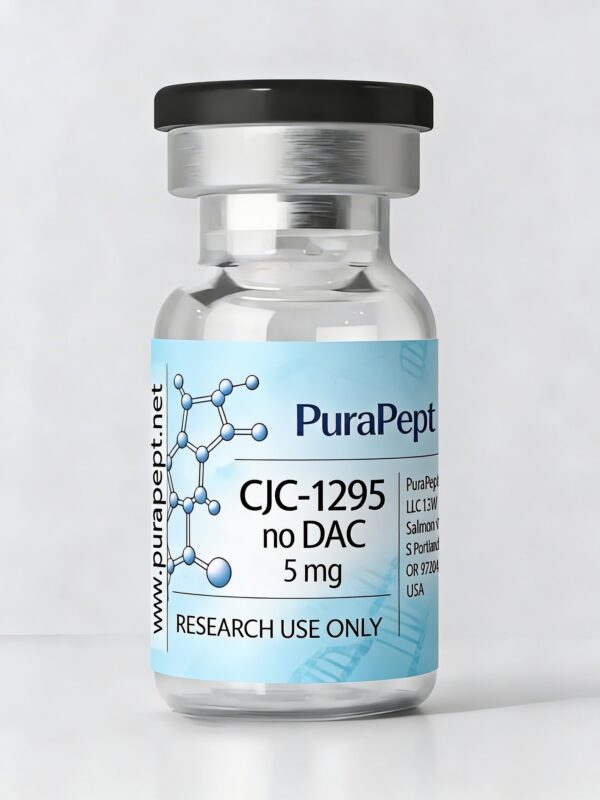
Ipamorelin is a selective ghrelin-receptor (GHS-R1a) agonist. It triggers growth hormone pulses with minimal effect on cortisol or prolactin, and is usually studied alongside a GHRH analogue such as CJC-1295 without DAC, because the two pathways amplify each other. Like tesamorelin, it works through the body’s own growth hormone and therefore IGF-1, so it cannot offer the separation of function that defines the fragment. For the less selective secretagogues, see our GHRP-2 vs GHRP-6 comparison.
Full somatropin
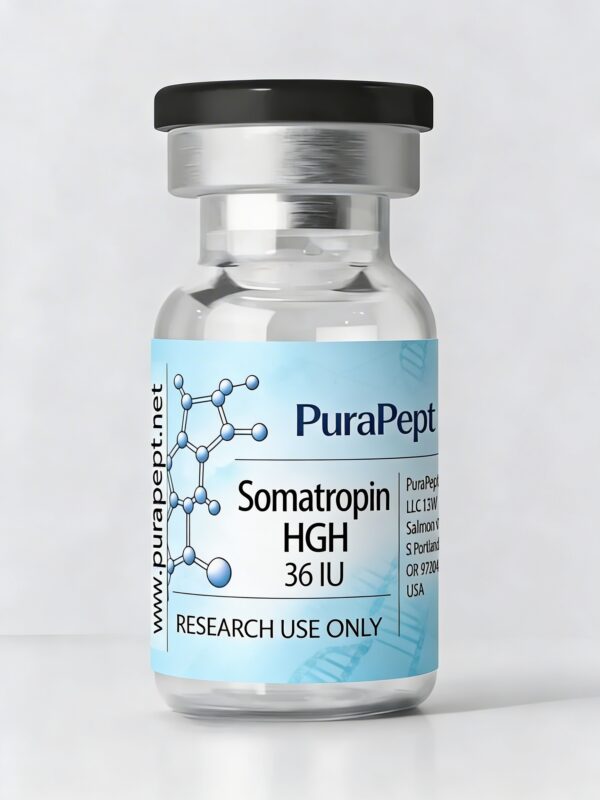
At the far end sits recombinant somatropin, the whole 191-amino-acid hormone. It delivers every growth hormone effect at once, lipolysis included, along with suppression of the body’s own GH output and the full GH side-effect profile, and as a medicine it is prescription-only across Europe. AOD-9604 exists because researchers wanted one piece of that profile without the rest.
AOD-9604 vs semaglutide and the GLP-1 drugs
“AOD 9604 vs semaglutide” is a fast-growing search, driven by the success of GLP-1 medicines, and the comparison shows how differently the two approach the same problem.
Two different targets
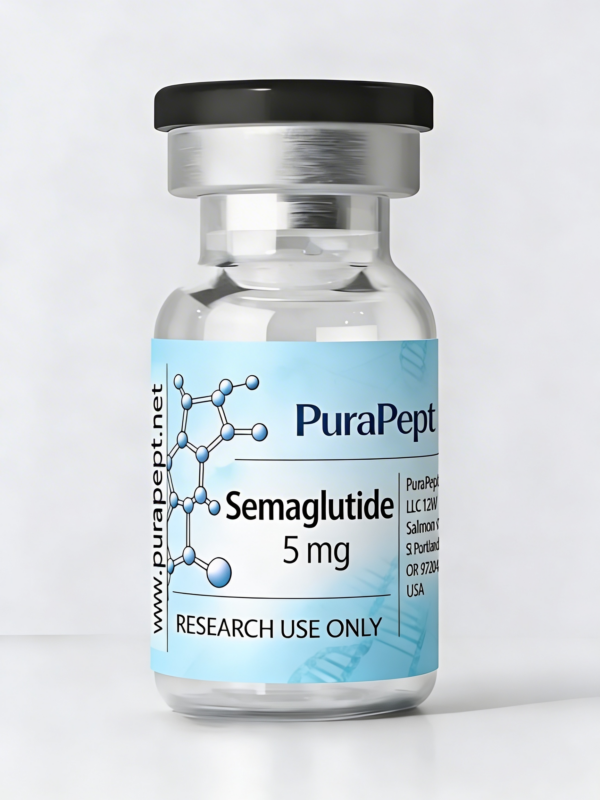
Semaglutide is a long-acting GLP-1 receptor agonist. It works largely through appetite: it signals fullness to the brain, slows stomach emptying and improves glucose-dependent insulin release. AOD-9604 was designed to act on the fat cell itself, with no intended effect on appetite. One works on the intake side of the energy equation; the other was meant to work on the storage side.
A very different weight of evidence
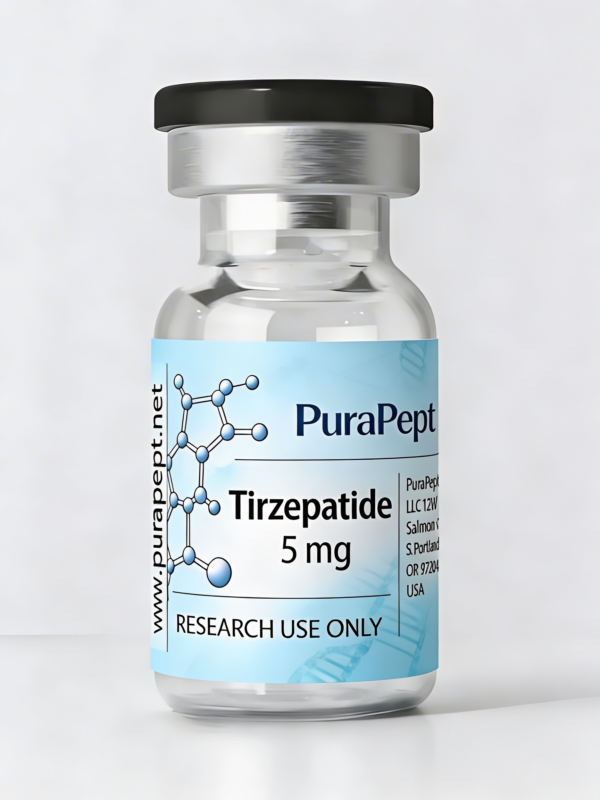
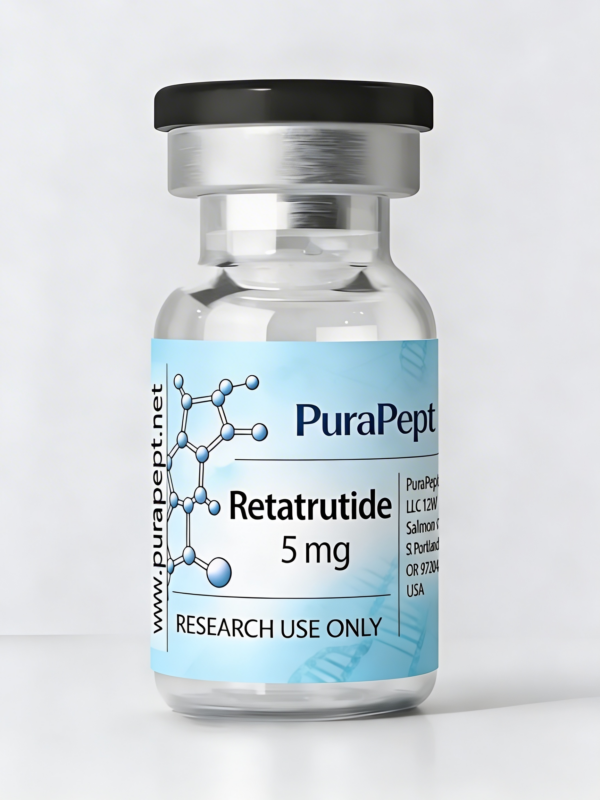
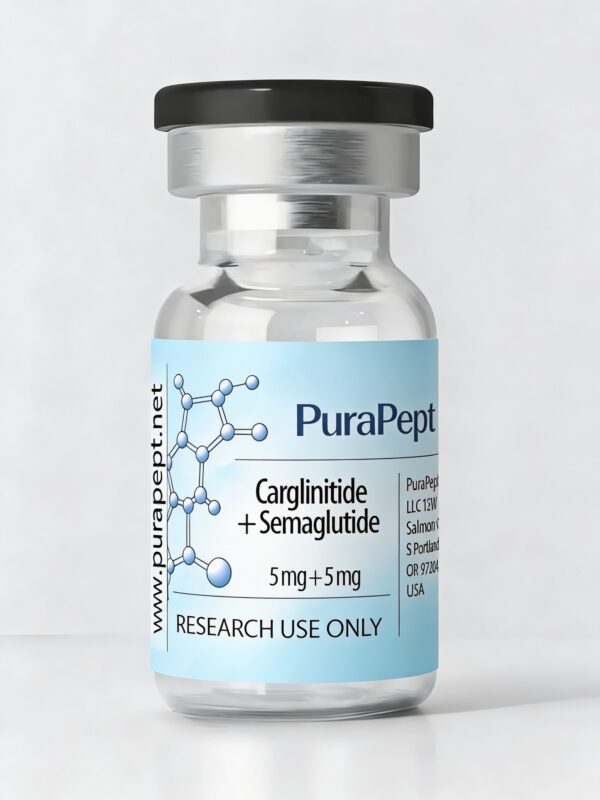
The evidence gap is enormous. Semaglutide’s weight-loss effect has been established in large phase III programmes: in STEP-1, adults with overweight or obesity lost around 15% of their body weight on average over 68 weeks, against roughly 2% with placebo. Tirzepatide, a dual GIP and GLP-1 agonist, went further in SURMOUNT-1, and newer candidates such as the triple agonist retatrutide and amylin-based pairings like cagrilintide with semaglutide are pushing the field further still. The hGH fragment, by contrast, did not beat placebo in its decisive phase IIb trial. Our full semaglutide vs tirzepatide vs retatrutide guide covers the incretin class in depth.
Side effects and the honest trade-off
GLP-1 drugs carry well-documented side effects. Nausea, vomiting, diarrhoea and constipation are common, the labels warn about pancreatitis and gallbladder disease, and part of the weight lost is lean mass rather than fat. As medicines they are prescription-only. The fragment’s trial tolerability looked much closer to placebo, but partly because its effect on weight was also close to placebo: a compound that does little rarely causes much. The careful researcher treats semaglutide as the benchmark for appetite-driven weight loss and AOD-9604 as a probe of fat-cell metabolism.
AOD-9604 compared with other metabolic peptides
| Compound | What it is | Main target | Effect on IGF-1 | Human evidence | Status in the EU |
|---|---|---|---|---|---|
| AOD-9604 | Modified hGH fragment (176-191 region) | Fat-cell metabolism: lipolysis and lipogenesis | No rise reported | Phase I to IIb; key weight-loss trial negative, well tolerated | Not an approved medicine; research peptide |
| HGH Frag 176-191 | C-terminal hGH fragment | Fat-cell metabolism | Not expected to rise | Essentially preclinical | Research peptide |
| Tesamorelin | Stabilised full-length GHRH analogue | Pituitary GHRH receptor | Rises | Randomised trials; licensed in the US for HIV-associated abdominal fat | Not authorised as a medicine |
| Ipamorelin | Selective ghrelin-receptor agonist | Pituitary GHS-R1a | Rises | Limited early clinical data | Not an approved medicine; research peptide |
| Semaglutide | Long-acting GLP-1 receptor agonist | Appetite and insulin secretion | No direct GH-axis effect | Large phase III programmes (STEP) | Prescription-only medicine |
| MOTS-c | Mitochondrial-derived peptide | AMPK and cellular energy sensing | Not a GH-axis peptide | Mostly preclinical | Research peptide |
MOTS-c and other metabolic research compounds
AOD-9604 is one part of a wider metabolic research toolkit, and the compound most often mentioned beside it approaches energy metabolism from a completely different direction.
MOTS-c: a peptide written in mitochondrial DNA
MOTS-c is a sixteen-amino-acid peptide encoded not in the cell nucleus but in mitochondrial DNA, within the gene for the 12S ribosomal RNA. First described in 2015, it belongs to the family of mitochondrial-derived peptides and is studied as a retrograde signal: a message from the mitochondria to the nucleus about the cell’s energy status. In mouse studies it activated AMPK, the cell’s central energy sensor, improved insulin sensitivity and protected against diet-induced weight gain. Later work found that exercise raises MOTS-c levels in human muscle and blood, and that older mice treated with it showed better physical capacity.
The contrast with AOD-9604 is instructive. AOD-9604 targets how the fat cell stores and releases triglycerides; MOTS-c targets how cells sense and use energy, particularly in skeletal muscle. Both happen to be sixteen residues long, and neither has established human efficacy in metabolic applications.
Small molecules in the same conversation
Three non-peptide research compounds round out the metabolic shelf:
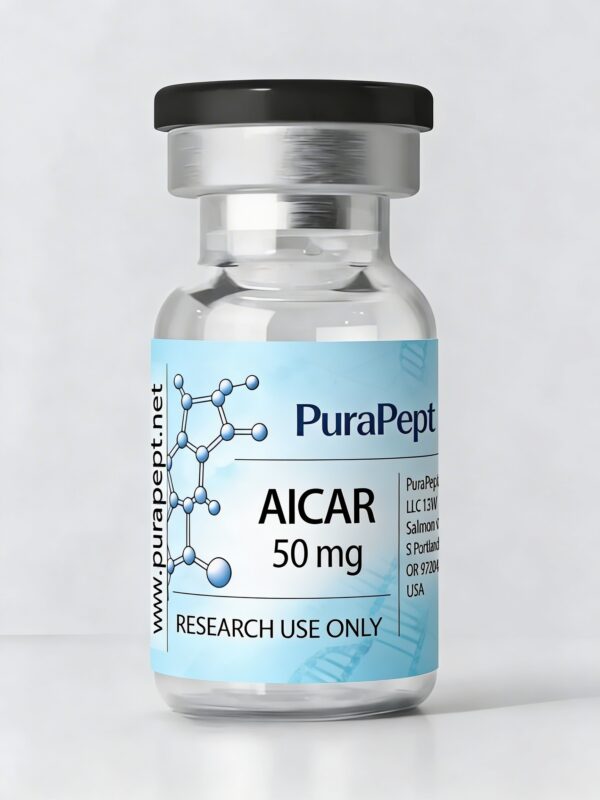
- AICAR, the standard AMPK activator in energy-sensing research, named explicitly by WADA as a prohibited metabolic modulator.
- 5-amino-1MQ, an NNMT inhibitor studied in fat cells and mouse models of diet-induced obesity.
- The exercise-mimetic ERR agonist, studied for switching on the mitochondrial gene programmes that endurance training triggers.
All are preclinical tools with no approved human use, each offering a different entry point into the same question: how the body decides whether to store energy or burn it. On the licensed and performance side, our guides to clenbuterol, ketotifen, T3 and T4 and to T3 Cytomel and liothyronine cover the mechanisms and the risks, and our fat burners category brings those compounds together.
AOD-9604 side effects and risk management
Being honest about risk means separating what the trials showed from what they could never show.
What the trial data describe
In the controlled human trials, AOD-9604 was reported to be well tolerated, with adverse events comparable to placebo and no rise in IGF-1. That is reassuring as far as it goes, but the trials were of limited duration, used pharmaceutical-grade material under medical supervision, and were not designed to detect rare or long-term effects.
What the trials cannot tell you
- Long-term effects: there are no long-term human data.
- Material quality: an underfilled, contaminated or substituted vial is no longer the compound that was tested, so the trial record no longer applies.
- Interactions: AOD-9604 has not been studied alongside GH secretagogues, GLP-1 drugs or thyroid hormones, so any interaction is unknown.
The related compounds bring their own risks
Tesamorelin, ipamorelin and somatropin raise GH and IGF-1, with documented fluid retention, tingling in the hands, joint aches and reduced insulin sensitivity. GLP-1 drugs bring digestive side effects and warnings on pancreatitis and gallbladder disease. MOTS-c and the small-molecule tools have almost no human safety data.
What the careful user monitors
Any metabolic intervention, licensed or experimental, belongs with bloodwork and a doctor. The markers that matter most here:
- Fasting glucose, HbA1c and fasting insulin, to catch any change in insulin sensitivity.
- IGF-1, which the trials reported does not rise with this peptide. A clear increase points to a GH-active compound or a mislabelled vial.
- Lipid profile, liver and kidney function as part of a standard panel.
- Thyroid panel (TSH, free T4, free T3), because thyroid status shapes metabolic rate.
- Blood pressure, resting heart rate and body weight at home, plus a log of swelling, joint pain or headaches.
Why a doctor belongs in the picture
A doctor can read results in context, screen for conditions that change the risk picture, such as diabetes, cancer history or thyroid disease, and point towards licensed options with real evidence. Dose, timing and duration belong in that conversation and nowhere else. The rules matter too. The peptide is not an approved medicine in the EU. It is prohibited at all times in tested sport: WADA’s Prohibited List names growth hormone fragments such as AOD-9604 explicitly, and WADA confirmed its prohibited status publicly in 2013, when the peptide surfaced in an Australian football supplements investigation. None of these compounds are for beginners, and never for teenagers.
Buying AOD-9604: why authenticity matters
Search “buy AOD 9604” or “AOD 9604 for sale” and you will find hundreds of sellers, with prices that vary wildly. That spread is itself a warning sign. Peptides are cheap to imitate and expensive to make properly, and this one is particularly easy to fake:
- Look-alike substitution. AOD-9604 and HGH Frag 176-191 differ only at the start of the chain, so one is easily swapped for the other.
- Underfilling. A vial labelled 5 mg that holds less undermines every result.
- Silent degradation. Heat, moisture and repeated freeze-thaw break peptides down long before any visible change.
- Synthesis impurities. Truncated sequences and residual solvents confound any experiment.
Impure material does not just waste money; it invalidates the result. That is why Rogue’s AOD-9604 5 mg belongs to our PuraPept peptide line: sealed, tamper-evident vials, EU-manufactured, batch-tested for identity and purity and traceable to the manufacturer’s lot, with discreet, tracked EU delivery in plain packaging. The same standard applies to the tesamorelin, MOTS-c and ipamorelin vials discussed in this guide, and across our research compounds category. Wherever you compare AOD-9604 for sale, ask for batch documentation before anything else.
Frequently asked questions
What is AOD-9604 peptide used for in research?
AOD-9604 is studied mainly as a probe of fat metabolism: how lipolysis and lipogenesis can be influenced by a fragment of growth hormone without activating the GH receptor or raising IGF-1. It has also been studied more recently in animal models of cartilage repair.
Does AOD-9604 actually work for fat loss?
In obese rodents it reduced fat gain and increased fat oxidation. In people, the decisive phase IIb trial did not show weight loss meaningfully greater than placebo, and development as an obesity drug was stopped in 2007. The honest answer is that its fat-loss effect has not been demonstrated in controlled human trials.
Is AOD-9604 the same as HGH Frag 176-191?
They are close relatives from the same region of growth hormone, but not strictly identical: AOD-9604 carries a tyrosine at the start of the chain and is the version that went through human trials, while HGH Frag 176-191 is generally a preclinical structure-function reference.
AOD-9604 vs semaglutide: which is more effective for weight loss?
Semaglutide, by a wide margin. It is a licensed GLP-1 medicine with large phase III trials behind it, while the fragment failed to beat placebo in its key trial. They also work differently: semaglutide reduces appetite, whereas the fragment was designed to act on fat-cell metabolism.
Does AOD-9604 raise growth hormone or IGF-1?
No rise in IGF-1 was reported in the human trials, and laboratory work found that the fragment does not activate the GH receptor. That is the key difference from tesamorelin, ipamorelin and somatropin, all of which increase GH activity and therefore IGF-1.
What are the side effects of AOD-9604?
In controlled short-term trials, adverse events were reported as similar to placebo. Long-term human data do not exist, and the trial record only applies to verified pharmaceutical-grade material, not to counterfeit or degraded product.
Is AOD-9604 banned in sport?
Yes. WADA prohibits growth hormone fragments, naming AOD-9604 explicitly, and the ban applies at all times, in and out of competition. Tested athletes should avoid it entirely.
Is AOD-9604 an approved medicine?
No. It has never been licensed as a weight-loss drug and is not an approved medicine in the EU. Rogue supplies it strictly as a research peptide, not for human consumption.
The bottom line on AOD-9604
AOD-9604 is one of the clearest examples in peptide science of a smart idea meeting hard evidence. The design was elegant, the animal results consistent and the short-term human tolerability reassuring. But the decisive weight-loss trial was negative, and today the compound’s value lies in research: as a probe of fat-cell metabolism, a structure-function reference and an early candidate in cartilage studies. The careful, conscious researcher keeps all of that in view and compares it honestly with tesamorelin, the GLP-1 drugs and MOTS-c.
Rogue’s peptides are sold for research purposes only and are not for human consumption. When authenticity, batch traceability and discreet EU delivery matter, explore the full Rogue peptides collection, starting with AOD-9604 5 mg, and build your research on material you can trust.
This article is for educational purposes only and is not medical advice. Prescription medicines and performance compounds carry real risks; speak to a qualified doctor before using any of them, and never use them if you are under 18.
Products in this guide
-
 +65 Rogue Points
-
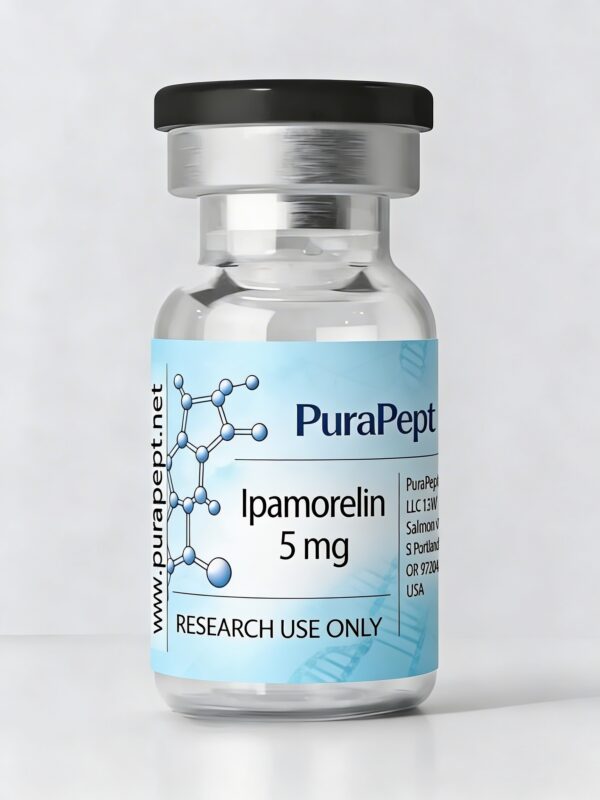 +30 Rogue Points
-
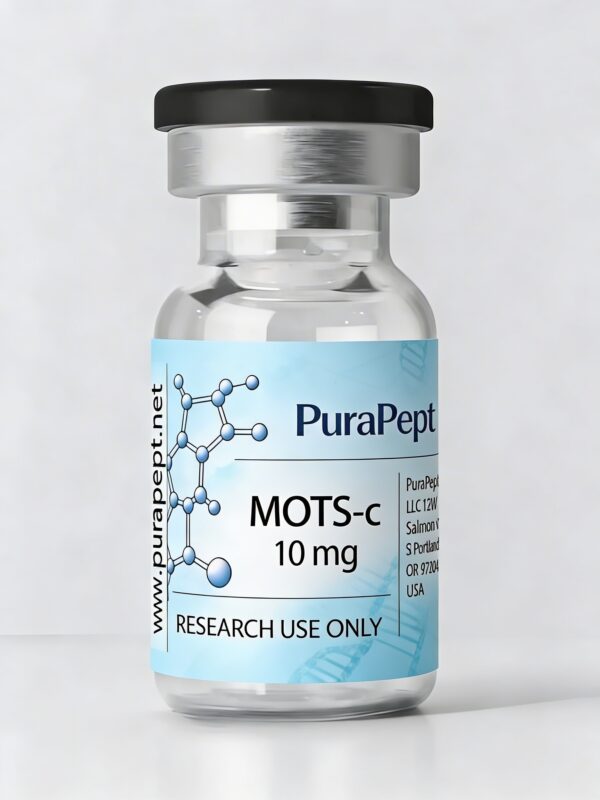 +50 Rogue Points
-
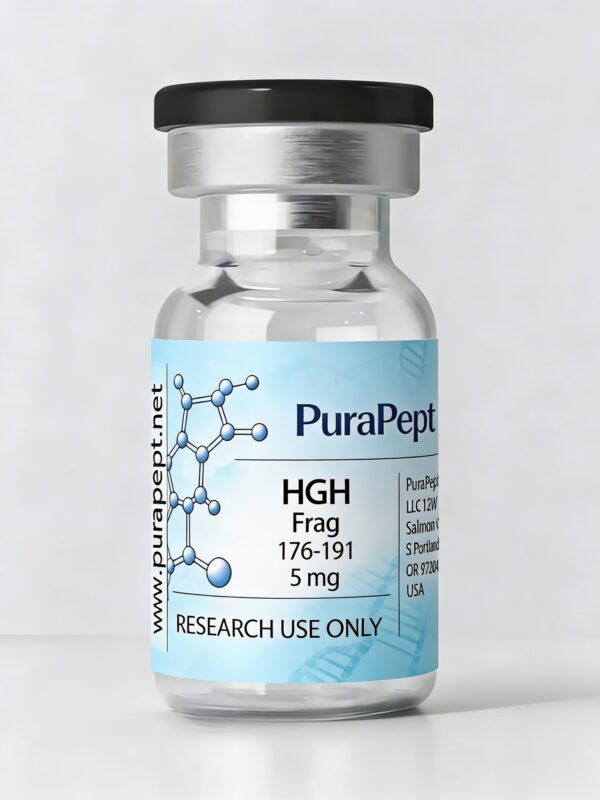 +60 Rogue Points
-
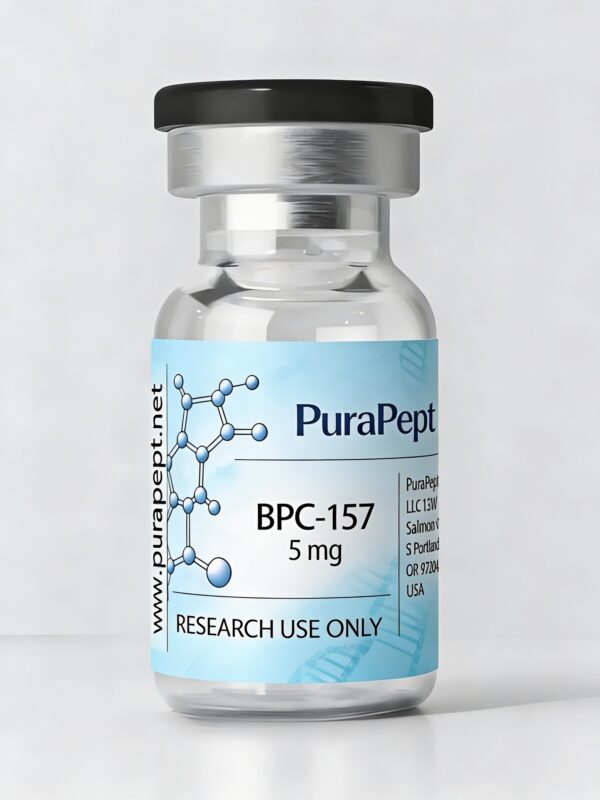 From +45 Rogue Points
BPC-157
Price range: 45,00 € through 65,00 €Select options This product has multiple variants. The options may be chosen on the product page -
 +50 Rogue Points
-
 +65 Rogue Points
-
 From +50 Rogue Points
Semaglutide
Price range: 50,00 € through 80,00 €Select options This product has multiple variants. The options may be chosen on the product page -
 From +60 Rogue Points
Tirzepatide
Price range: 60,00 € through 125,00 €Select options This product has multiple variants. The options may be chosen on the product page -
 From +60 Rogue Points
Retatrutide
Price range: 60,00 € through 160,00 €Select options This product has multiple variants. The options may be chosen on the product page -
 +100 Rogue Points
-
 +40 Rogue Points
Keep reading
 Peptide Research
 Peptide Research
 Peptide Research