


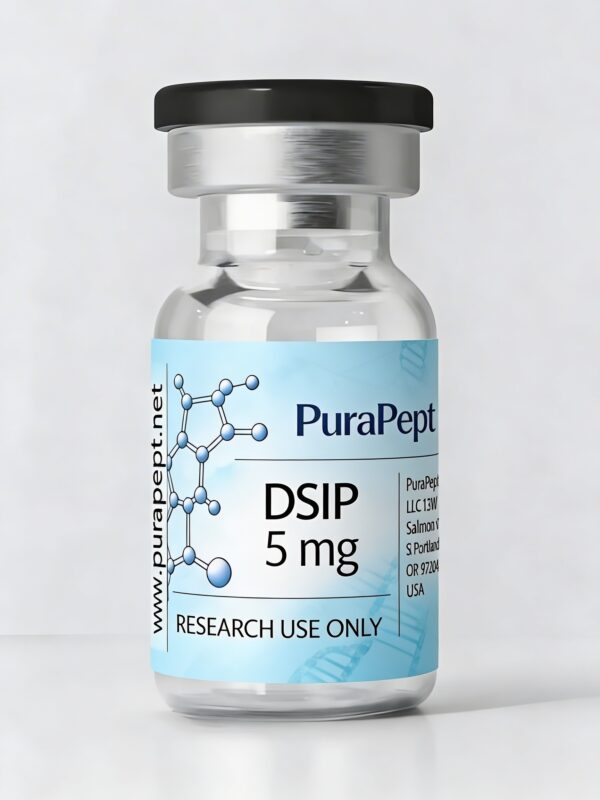
Semaglutide vs Tirzepatide vs Retatrutide: GLP-1 Peptides Explained

Few questions in metabolic science have moved as fast as semaglutide vs tirzepatide. In barely half a decade, two engineered peptides have rewritten what researchers thought was possible in obesity and type 2 diabetes. A third molecule, retatrutide, has pushed the numbers further still, and an amylin analogue called cagrilintide has opened a second front entirely. If you want to understand what these compounds do, why the results surprised even their designers, and what the trade-offs look like, this is the guide.
We go receptor by receptor (GLP-1, GIP, glucagon and amylin), translate what the landmark trials reported into plain language, and then cover the parts the headlines skip: lean-mass loss, side effects, what a careful person monitors, and why counterfeit pens have become a genuine public-health problem in Europe.
One framing note before we start. Semaglutide and tirzepatide exist as licensed, prescription-only medicines in Europe, and anyone considering them as a treatment does that with a doctor. The vials in our research peptides collection are something different: analytical material for laboratories. Rogue’s peptides are sold for research purposes only and are not for human consumption. Everything below about human outcomes describes published clinical research on the approved medicines, not instructions for using our products.
Key takeaways
- Four signals, four strategies. Semaglutide is a single GLP-1 receptor agonist; tirzepatide adds GIP receptor agonism; retatrutide adds a third target, the glucagon receptor; cagrilintide works through a separate amylin pathway.
- Head to head, tirzepatide leads on average weight loss. In the SURMOUNT-5 trial it produced greater average weight reduction than semaglutide, although both far outperformed placebo in their own programmes.
- Retatrutide set a new phase 2 benchmark for an incretin-based peptide, but it remains investigational.
- Lean mass is the hidden cost. A meaningful share of the weight lost can be lean tissue, which is why protein intake and resistance training are non-negotiable for the careful user.
- Side effects are mostly gastrointestinal, with rarer risks such as gallbladder disease, pancreatitis and dehydration-related kidney stress that demand medical supervision.
- Authenticity is not optional. Falsified semaglutide pens are a documented problem in Europe; provenance and batch traceability matter as much as the molecule.
GLP-1, GIP, glucagon and amylin: the four signals explained
Every compound in this comparison is built on a hormone your body already releases around meals. Understand the hormones and the differences between the drugs become obvious.
GLP-1: the satiety and insulin signal
Glucagon-like peptide-1 is released by L-cells in the lower gut when food arrives. It amplifies insulin secretion only when blood glucose is elevated, which is why GLP-1 drugs used alone rarely cause hypoglycaemia. It suppresses glucagon after meals and slows gastric emptying, so fullness lasts longer. GLP-1 receptors also sit in the brainstem, the hypothalamus and reward circuitry, which is why people on the approved medicines often describe a quieter relationship with food. Native GLP-1 survives only a couple of minutes before the enzyme DPP-4 cleaves it, so the whole drug class is really a story of engineering durability into a fragile hormone.
GIP: the overlooked incretin
Glucose-dependent insulinotropic polypeptide comes from K-cells in the duodenum and, in healthy people, carries the larger share of the classic incretin effect. For years it was written off as a weight-loss target, partly because some animal data suggested it encourages fat storage. Tirzepatide changed that view. Combining GIP and GLP-1 agonism appears to deepen appetite reduction and improve insulin sensitivity, and preclinical work suggests GIP receptor activity in the brain may dampen nausea signalling. The biology is still debated (a molecule that blocks the GIP receptor while activating GLP-1 is also being studied for weight loss), but the clinical results of the dual agonist speak for themselves.
Glucagon: the energy-expenditure lever
Glucagon is usually described as insulin’s opposite, raising blood sugar between meals. Less well known is that glucagon receptor activation increases energy expenditure, stimulates fat oxidation in the liver and reduces liver fat. On its own it would push glucose up, so it only makes sense paired with strong GLP-1 activity that keeps glucose in check. That pairing is the logic of retatrutide.
Amylin: the meal-termination signal
Amylin is co-secreted with insulin from the pancreatic beta cells. It acts on the area postrema in the brainstem to signal fullness, slows gastric emptying and suppresses glucagon after meals. Native amylin clumps into amyloid fibrils, which made it hard to turn into a durable medicine. Cagrilintide is an engineered, lipidated analogue that resists aggregation and lasts far longer, and because amylin works through different receptors and neural relays from GLP-1, the two can be combined rather than duplicated.
Semaglutide: the GLP-1 benchmark
Semaglutide took the category mainstream. It is a 31-amino-acid analogue of human GLP-1 with two decisive modifications: a substitution at the position DPP-4 normally cleaves, and a C18 fatty diacid chain that binds reversibly to albumin. The result is a half-life of roughly a week instead of a couple of minutes. In Europe it is the active ingredient of Ozempic (type 2 diabetes) and Wegovy (weight management), and as Rybelsus it became the first GLP-1 analogue available as a tablet, using an absorption enhancer to survive the stomach.
What the STEP trials reported
STEP-1, published in the New England Journal of Medicine in 2021, enrolled adults with obesity or overweight but without diabetes. Over 68 weeks, participants on semaglutide plus a lifestyle programme lost around 15% of their body weight on average, against roughly 2.4% with placebo. No weight-management drug had come close before. The STEP-1 extension delivered the sobering counterpoint: once the drug was withdrawn, around two-thirds of the lost weight returned within a year.
Beyond the scale
The SELECT trial reported that semaglutide reduced major adverse cardiovascular events in people with established cardiovascular disease and overweight or obesity but no diabetes, and the FLOW trial reported kidney benefits in people with type 2 diabetes and chronic kidney disease. These outcome trials are a large part of why semaglutide is treated as the reference standard: it has the deepest evidence base in the class.
Why researchers reach for it
In the lab, semaglutide is the default comparator: any new incretin candidate is measured against it, and it doubles as a textbook case of half-life engineering through albumin binding. Our Semaglutide 5 mg research vial is supplied as batch-tested lyophilised powder. The fatty-acid chain that makes it durable also makes it surface-active, so it foams easily and must be handled gently.
Tirzepatide: the first dual GIP/GLP-1 agonist
Tirzepatide is a 39-amino-acid peptide built on the native GIP backbone, modified with non-natural amino acids for protease resistance and carrying a C20 fatty diacid for albumin binding, which gives it a half-life of about five days. It activates both GIP and GLP-1 receptors, with relatively stronger activity at the GIP receptor. That imbalanced design turned out to be a feature. In Europe it is marketed as Mounjaro for both type 2 diabetes and weight management.
What SURMOUNT reported
SURMOUNT-1, published in the New England Journal of Medicine in 2022, tested tirzepatide in adults with obesity or overweight without diabetes. At 72 weeks, average weight reduction reached about 21% at the highest dose studied, against around 3% with placebo, and more than half of participants on that dose lost a fifth or more of their body weight. That moved a pharmaceutical intervention closer to results typically associated with bariatric surgery. SURMOUNT-4 later confirmed the same pattern seen with semaglutide: stopping the drug led to substantial regain.
Glycaemic control and beyond
In type 2 diabetes, SURPASS-2 reported greater reductions in HbA1c and body weight with tirzepatide than with the semaglutide comparator used in that trial. Tirzepatide has since been studied in obstructive sleep apnoea (SURMOUNT-OSA) and heart failure with preserved ejection fraction (SUMMIT), a sign of how far the benefits of weight reduction reach.
Why researchers reach for it
For laboratories, tirzepatide’s value is mechanistic: it is the cleanest tool for studying GIP and GLP-1 crosstalk within a single construct, instead of inferring it from co-administration. Our Tirzepatide 5 mg vial is batch-tested and factory-sealed, from the PuraPept research line that supplies our peptides.
Semaglutide vs tirzepatide: what the head-to-head data show
For years the semaglutide vs tirzepatide debate relied on comparing separate trials, which is always shaky: different populations, different durations, different placebo responses. That changed with SURMOUNT-5, a head-to-head trial in adults with obesity but without diabetes, published in the New England Journal of Medicine in 2025. At 72 weeks, tirzepatide produced an average weight reduction of about 20%, against about 14% for semaglutide, and it also led on waist circumference.
That does not make semaglutide obsolete. It has the longer track record, cardiovascular outcome data from SELECT, an oral formulation and, for many people, entirely sufficient results. Tolerability is broadly comparable, with dose-dependent gastrointestinal effects for both. The honest summary of semaglutide vs tirzepatide: tirzepatide is the more potent weight-loss agent on average, semaglutide is the better-documented one, and individual response varies far more than averages suggest. Which suits a given person is a clinical decision, made with a doctor.
Single, dual or triple agonist: comparison table
| Compound | Receptor targets | Class | Approx. half-life | Status as a medicine | Landmark data (average weight change) | Rogue research vial |
|---|---|---|---|---|---|---|
| Semaglutide | GLP-1 | Single agonist | About 1 week | Approved (Ozempic, Wegovy, Rybelsus) | STEP-1: about 15% at 68 weeks; SELECT cardiovascular outcomes | Semaglutide |
| Tirzepatide | GIP + GLP-1 | Dual agonist | About 5 days | Approved (Mounjaro) | SURMOUNT-1: about 21% at 72 weeks (highest dose); ahead of semaglutide in SURMOUNT-5 | Tirzepatide |
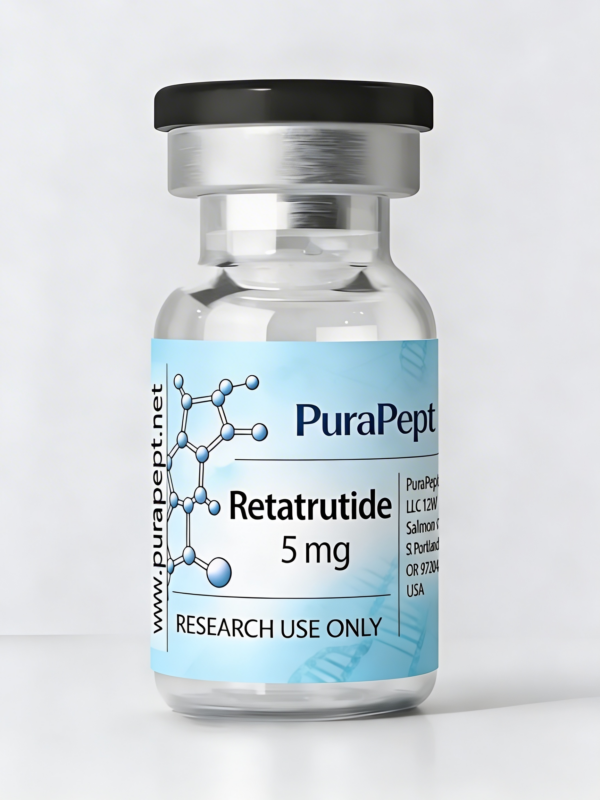
| Retatrutide | GIP + GLP-1 + glucagon | Triple agonist | About 6 days | Investigational (phase 3 TRIUMPH programme) | Phase 2: about 24% at 48 weeks (highest dose) | Retatrutide |
| Cagrilintide | Amylin + calcitonin receptors | Long-acting amylin analogue | About 1 week | Investigational | Phase 2: around 10% at 26 weeks | Cagrilintide 5 mg |
| Cagrilintide + semaglutide (CagriSema) | Amylin + GLP-1 | Dual-pathway combination | About 1 week each | Investigational (phase 3 REDEFINE programme) | REDEFINE 1: just over 20% at 68 weeks | Cagrilintide + Semaglutide |
Cross-trial figures are indicative only; populations, durations and designs differ.
Retatrutide: the triple-agonist frontier
Retatrutide adds the glucagon receptor to the GIP and GLP-1 pair. The design logic is elegant: let the incretin arms reduce intake and steady glucose, while glucagon receptor activity raises energy expenditure and drives fat oxidation, particularly in the liver. Its half-life of around six days puts it in the same long-acting family as semaglutide and tirzepatide.
The phase 2 results
The phase 2 obesity trial, published in the New England Journal of Medicine in 2023, reported an average weight reduction of about 24% at 48 weeks on the highest dose, against about 2% with placebo, and the weight curve had not yet flattened by the end of the study. A substudy in participants with fatty liver disease reported striking reductions in liver fat, with many participants reaching normal levels, which fits neatly with the glucagon mechanism. These were the strongest phase 2 results yet published for an incretin-based peptide.
The caveats
Phase 2 is not phase 3. The trial reported dose-dependent gastrointestinal effects typical of the class, along with a dose-related rise in resting heart rate that peaked and then eased over the following months. Retatrutide remains investigational: its phase 3 programme, TRIUMPH, is where the definitive picture of efficacy and safety will come from, and it is not an approved medicine in the EU at the time of writing. In the laboratory, Retatrutide 5 mg serves as the reference triple agonist and is increasingly used as the comparator when newer multi-agonists are benchmarked against single-pathway peptides.
Cagrilintide and CagriSema: the amylin pathway
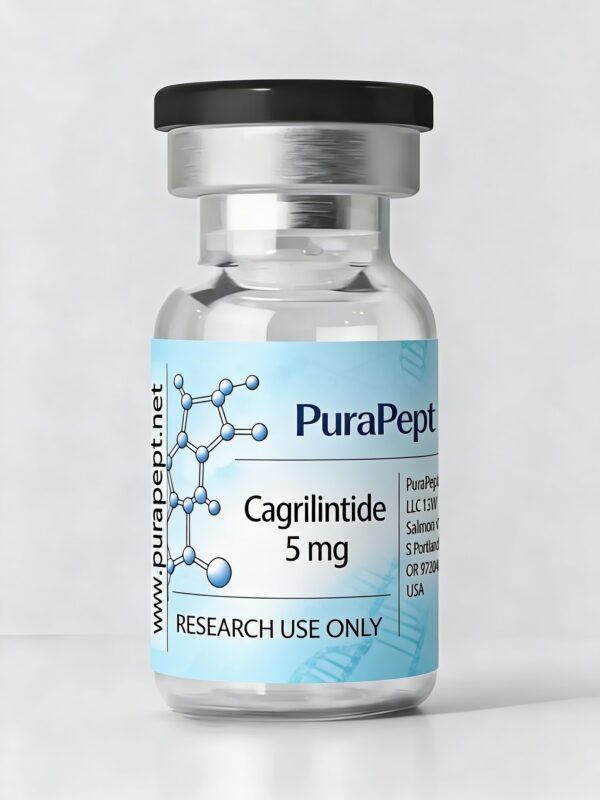
While one research programme stacked incretin receptors, another opened a parallel pathway. Cagrilintide is a long-acting, lipidated amylin analogue engineered to resist the aggregation that makes native amylin so difficult to work with, and it acts across both amylin and calcitonin receptors. In a 26-week phase 2 trial published in The Lancet in 2021, cagrilintide alone produced average weight reductions of around 10%, in the same range as the GLP-1 comparator liraglutide used in that study.
Why combine amylin with GLP-1?
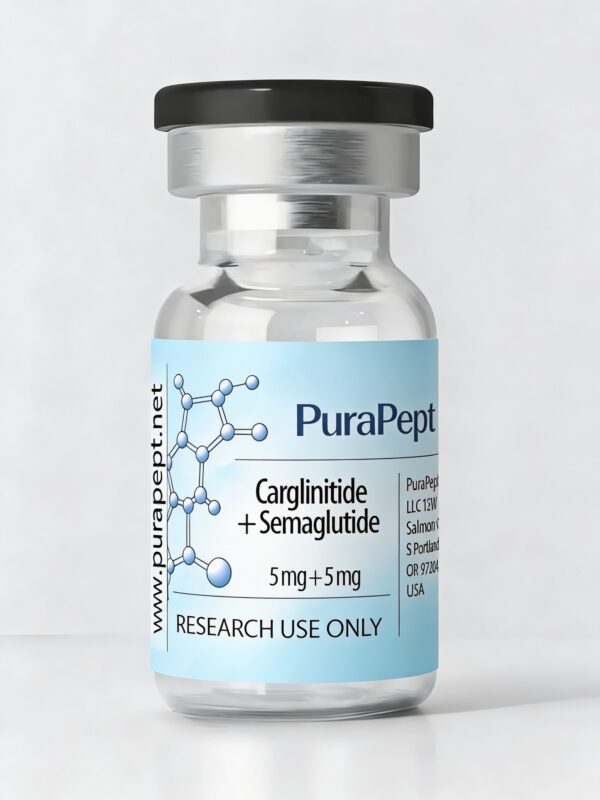
Because amylin and GLP-1 reach the appetite system through different receptors and different neural relays, the hypothesis was that their effects would add together rather than overlap. CagriSema, the fixed combination of cagrilintide and semaglutide, was taken into the phase 3 REDEFINE programme. Topline REDEFINE 1 results reported average weight reductions of just over 20% at 68 weeks, more than either component achieved alone in the same trial. Because amylin acts mainly on meal termination (how quickly you feel finished), researchers are also investigating whether it changes the composition of the weight lost; that question is still open.
Amylin tools in the lab
For research use we carry both Cagrilintide 5 mg as a standalone amylin analogue and the co-formulated Cagrilintide + Semaglutide 5 mg + 5 mg vial, which puts both satiety pathways into one lyophilised cake for additive and synergy studies. Amylin-family peptides aggregate readily, so both reward gentle laboratory technique.
Lean mass: why protein and resistance training matter
Here is the part marketing skips. Whenever anyone loses weight in a calorie deficit, part of it is lean tissue, and the incretin medicines are no exception. DXA sub-studies of STEP-1 and SURMOUNT-1 reported that lean mass accounted for roughly a quarter to two-fifths of the total weight lost. Context matters: lean mass on a DXA scan includes water, organs and connective tissue, not only skeletal muscle, and the proportion is broadly in line with other forms of substantial weight loss. But for anyone who trains, losing hard-earned muscle is precisely the outcome to avoid.
The careful user treats appetite suppression as a tool, not a plan. Three habits make the difference:
- Protein first. When appetite drops, total intake falls and protein is often the first casualty. Build each meal around quality protein and set a daily target with a dietitian. Our protein range helps on low-appetite days, and our piece on protein timing and the anabolic window covers distribution.
- Lift, consistently and progressively. Resistance training is the strongest signal to keep muscle while fat comes off; see how to structure your week for maximum muscle growth.
- Recover like it matters. Sleep shapes hunger hormones, training quality and body composition; the case is made in sleep and performance.
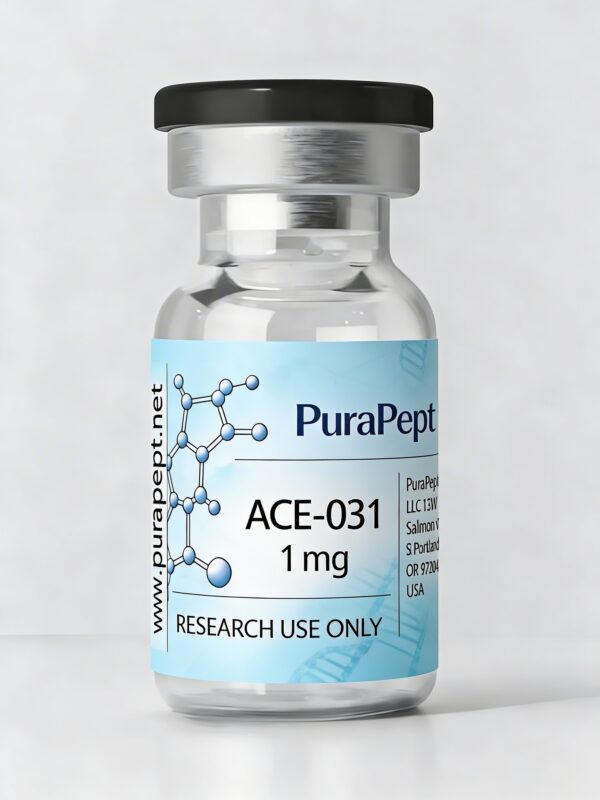
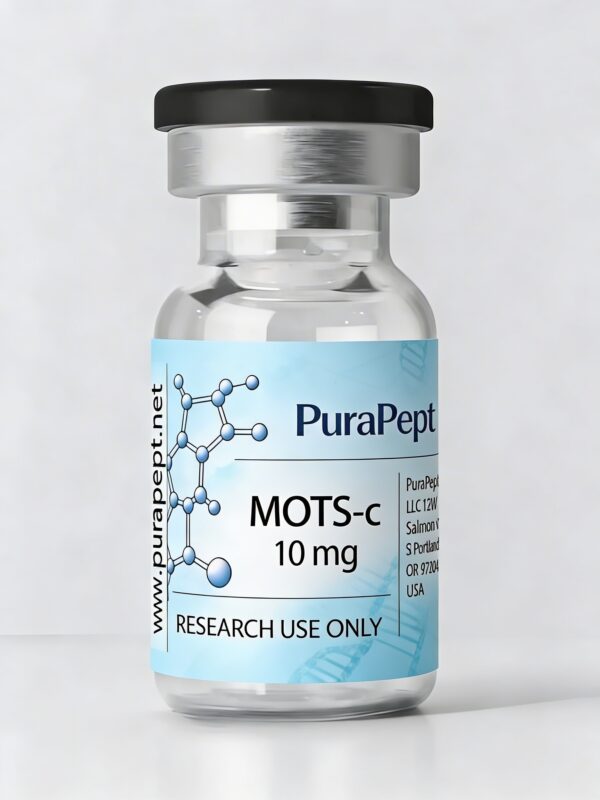
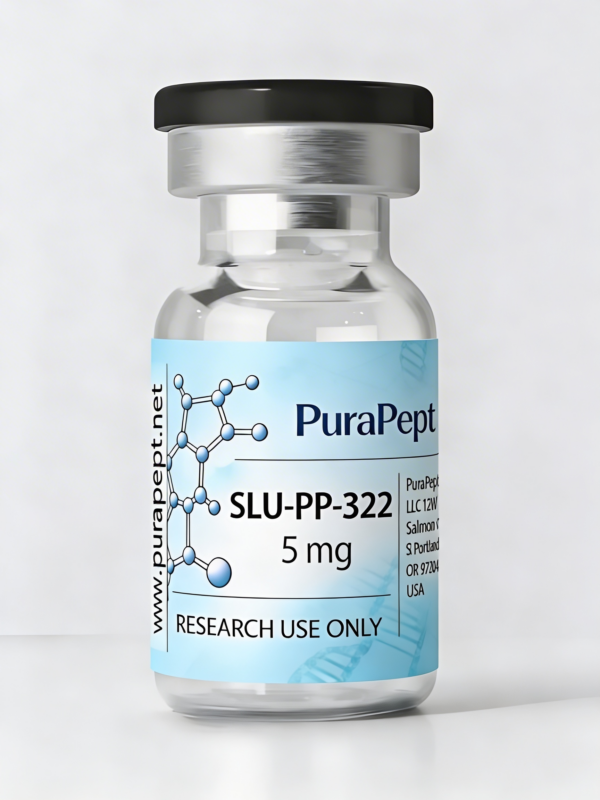
Muscle preservation is also an active research frontier. Antibodies that block activin type II receptors, such as bimagrumab, have been studied alongside semaglutide, and laboratories exploring the same biology use tool compounds like ACE-031, an ActRIIB-Fc ligand trap. Energy expenditure is studied with mitochondrial compounds such as MOTS-c 10 mg and the exercise-mimetic candidate SLU-PP-322.
Side effects and risk management
These are powerful drugs with a well-characterised side-effect profile. Being truthful about it is the point: most effects are manageable under medical supervision, a few are serious, and none of them should be discovered alone.
The common ones: gastrointestinal
Nausea, vomiting, diarrhoea, constipation, bloating and reflux are the most frequent side effects across all of these molecules. They are dose-dependent and most pronounced after a dose increase, which is why the approved medicines use gradual, prescriber-led escalation, and they are the main reason people stop. Persistent vomiting or diarrhoea also causes dehydration, which can stress the kidneys.
Less common, more serious
- Gallbladder disease. Rapid weight loss, and the drugs themselves, are associated with gallstones and gallbladder inflammation.
- Pancreatitis. Rare, but severe, persistent abdominal pain needs urgent medical assessment.
- Raised resting heart rate. A modest increase is a recognised class effect.
- Hypoglycaemia. Uncommon alone, more likely when combined with insulin or sulfonylureas.
- Thyroid C-cell tumours. Seen in rodents; human relevance is not established, but prescribing information flags anyone with a personal or family history of medullary thyroid carcinoma or MEN2.
- Diabetic retinopathy. Rapid glucose improvement has been linked with worsening existing retinopathy, a signal seen in semaglutide’s SUSTAIN-6 trial.
- Anaesthesia. Slowed gastric emptying raises aspiration risk, so anaesthetists must always be told.
- Oral contraceptives. The tirzepatide label warns their effectiveness may be reduced around dose changes.
- Rare signals. European regulators concluded in 2025 that NAION, an optic-nerve condition, is a very rare side effect of semaglutide. A 2024 review of suicidal-thought reports did not establish a causal link, but mood changes should still be raised with a doctor.
What the careful user monitors
Anyone using these medicines should be doing it with a doctor who orders a baseline panel and follow-ups. Typical markers include:
- HbA1c and fasting glucose, especially if other glucose-lowering drugs are involved.
- Kidney function and electrolytes (creatinine, eGFR, sodium, potassium), particularly after any spell of vomiting or diarrhoea.
- Liver enzymes and a lipid panel, to track the metabolic improvements and catch anything unexpected.
- Resting heart rate and blood pressure, easy to log at home and worth tracking.
- Body composition, by DXA scan or at minimum strength numbers and waist circumference, so lean-mass loss does not hide behind a falling scale weight.
- Micronutrients such as iron, vitamin B12 and vitamin D when food intake falls substantially.
A doctor also screens out people who should not use these medicines at all, including anyone pregnant or planning pregnancy and anyone with a history of pancreatitis or the thyroid cancers above, and adjusts interacting prescriptions. That is the difference between a well-run intervention and a gamble. And because the trials showed substantial regain after stopping, the decision to start is really a decision about the long term.
Research handling: lyophilised peptides and bacteriostatic water
Every research peptide in this guide ships as lyophilised (freeze-dried) powder, because peptides are far more stable dry than in solution. Before use in a laboratory assay, they must be reconstituted under the receiving facility’s own validated protocol. The standard diluent for multi-withdrawal lab work is Bacteriostatic Water 10 ml: sterile water containing 0.9% benzyl alcohol, a preservative that inhibits bacterial growth after the stopper has first been pierced, which is what allows repeated withdrawals from a single vial under aseptic technique.
Our product pages set out the handling principles for lipidated peptides like these. Let a cold vial reach room temperature before opening so condensation does not reach the cake. Run the solvent slowly down the inner wall and let the powder dissolve passively, never shaking or vortexing, because the fatty-acid chains make these molecules prone to foaming and aggregation. Confirm a clear, particulate-free solution, then hold it refrigerated and protected from light in low-binding single-use aliquots, avoiding repeated freeze–thaw cycles. Benzyl alcohol is not compatible with every preparation, so always defer to the instructions for the specific material.
To be explicit: these are laboratory procedures. Rogue does not provide any human dosing, administration or protocol guidance. If you are exploring incretin-based treatment for yourself, that conversation belongs with a doctor and a licensed medicine.
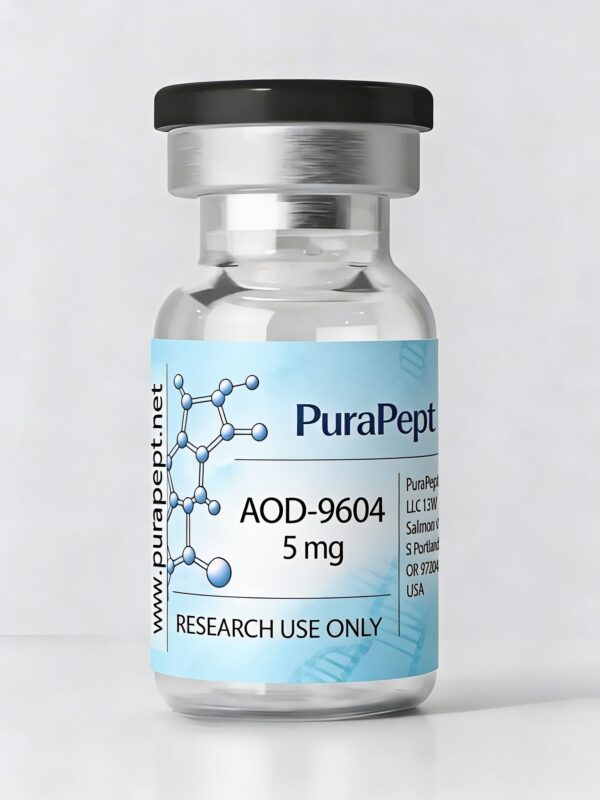
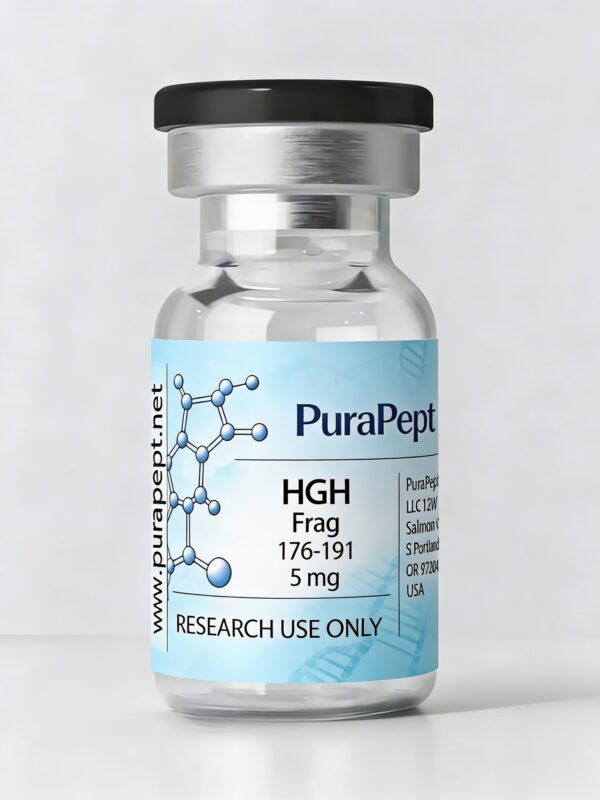
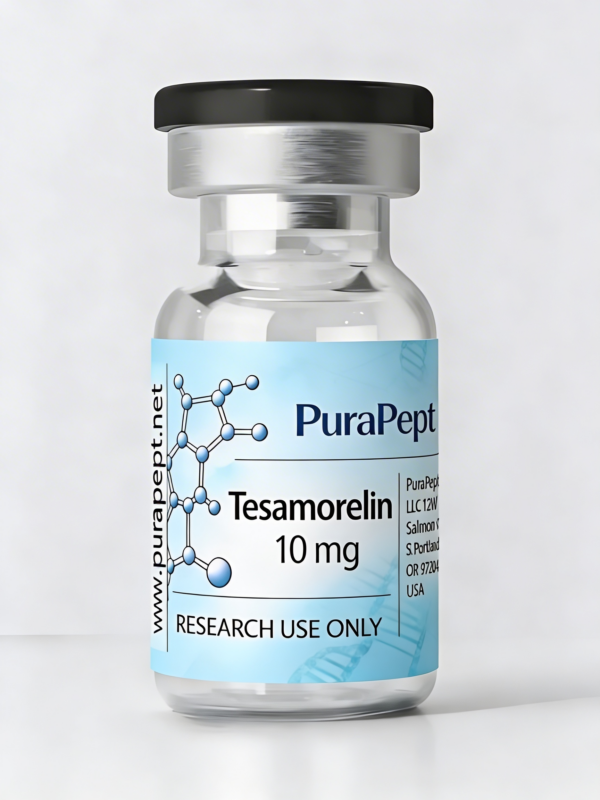
Incretin analogues are only one corner of metabolic research. Adipose-tissue laboratories also work with growth-hormone fragments such as AOD-9604 5 mg and HGH Frag 176-191, the GHRH analogue Tesamorelin 10 mg (studied in visceral fat metabolism) and the NNMT inhibitor 5-amino-1MQ. You will find them alongside our wider research compounds range.
Why authenticity matters
Demand for GLP-1 medicines outran supply for long stretches after 2022, and counterfeiters noticed. The European Medicines Agency and the World Health Organization have both warned about falsified semaglutide pens, and some fakes reportedly contained insulin instead of the labelled drug, a substitution that can cause severe hypoglycaemia. The research grey market has its own version: vials that are underfilled, degraded, mislabelled or simply something else.
For a lipidated peptide, quality is not a detail. Receptor-binding assays are unforgiving of degraded or impure material, and a vial that has sat warm or been repackaged may not contain what its label claims. Underdosed or substituted material produces data you cannot trust. That is why every Rogue research vial is:
- Sealed and tamper-evident, never repackaged, decanted or relabelled.
- Batch-tested for identity and purity, with documentation traceable to the production lot.
- EU-sourced through a short, controlled European supply chain via PuraPept, never grey-market.
- Delivered discreetly with fast, tracked, cold-aware EU dispatch in plain outer packaging.
Whether you are setting up a comparison of semaglutide, tirzepatide and retatrutide or a dual-pathway amylin study, start with material you can trace. For the wider body-composition landscape, our guide to clenbuterol, ketotifen, T3 and T4 for cutting covers the classic compounds, the truth about fat burners separates evidence from marketing, and our fat burners category lists sealed, EU-manufactured options.
Frequently asked questions
Is tirzepatide stronger than semaglutide?
On average, yes. In SURMOUNT-5, the first head-to-head trial in adults with obesity without diabetes, tirzepatide produced an average weight reduction of about 20% at 72 weeks, against about 14% for semaglutide. Averages hide wide individual variation, though, and semaglutide still has the larger body of cardiovascular and kidney outcome data.
What is the difference between semaglutide and tirzepatide?
Semaglutide activates only the GLP-1 receptor. Tirzepatide activates both the GIP and GLP-1 receptors in a single molecule, which appears to deepen appetite reduction and improve insulin sensitivity. Both are long-acting lipidated peptides: semaglutide’s half-life is about a week and tirzepatide’s about five days.
Is retatrutide approved?
Not at the time of writing. Retatrutide is an investigational triple agonist of the GIP, GLP-1 and glucagon receptors, and its phase 2 results were the strongest yet reported for an incretin-based peptide. Its phase 3 programme, TRIUMPH, will decide whether and when it becomes a licensed medicine.
What is cagrilintide and how is it different from semaglutide?
Cagrilintide is a long-acting amylin analogue that acts on amylin and calcitonin receptors, whereas semaglutide acts on the GLP-1 receptor. Because they reach the appetite system through different pathways, they have been studied together as CagriSema, which outperformed either component alone in REDEFINE 1.
Do semaglutide and tirzepatide cause muscle loss?
They cause weight loss, and part of any substantial weight loss is lean tissue. DXA sub-studies suggested lean mass made up roughly a quarter to two-fifths of the weight lost, broadly similar to other forms of weight loss. Adequate protein and consistent resistance training are the most effective ways to protect muscle.
What are the most common side effects of GLP-1 drugs?
Gastrointestinal effects dominate: nausea, vomiting, diarrhoea, constipation and reflux, usually worst after a dose increase. Rarer but more serious risks include gallbladder disease, pancreatitis and dehydration-related kidney problems, which is why medical supervision and bloodwork matter.
Why is bacteriostatic water used with research peptides?
Lyophilised peptides must be returned to solution before laboratory use. Bacteriostatic water contains 0.9% benzyl alcohol, which inhibits bacterial growth after the vial is first entered, making it the standard diluent for multi-withdrawal lab work. It does not suit every preparation, so follow the material’s own instructions.
Are Rogue’s semaglutide and tirzepatide the same as Ozempic or Mounjaro?
No. Ozempic, Wegovy and Mounjaro are licensed, prescription-only medicines supplied in pre-filled pens and prescribed by a doctor. Rogue’s vials are lyophilised research peptides, sold for laboratory research purposes only and not for human consumption.
The bottom line on semaglutide vs tirzepatide
The incretin story is one of the most remarkable in modern pharmacology. Semaglutide proved that a GLP-1 analogue could reshape body weight and cardiometabolic risk; tirzepatide showed that adding GIP pushes the results further; retatrutide and CagriSema suggest the ceiling is higher still. The semaglutide vs tirzepatide question now has a data-driven answer on average weight loss, but the disciplined approach is the same for every molecule here: real medicines through a real doctor, bloodwork before and during, protein and heavy training to protect muscle, and authentic, traceable material for any research.
Explore the full Rogue peptides collection, from incretin and amylin analogues to bacteriostatic water, all sealed, batch-tested and delivered discreetly across the EU. Rogue’s peptides are sold for research purposes only and are not for human consumption.
This article is for educational purposes only and is not medical advice. Prescription medicines and performance compounds carry real risks; speak to a qualified doctor before using any of them, and never use them if you are under 18.
Products in this guide
-
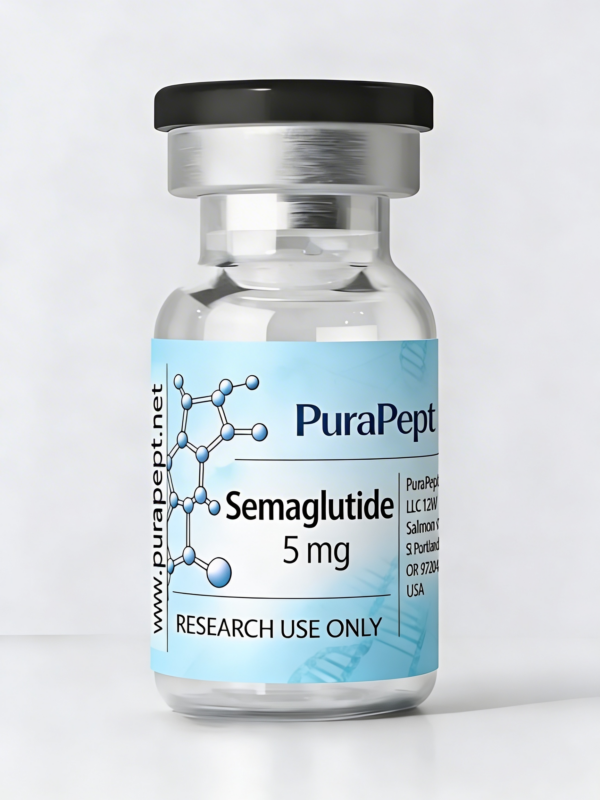 From +50 Rogue Points
Semaglutide
Price range: 50,00 € through 80,00 €Select options This product has multiple variants. The options may be chosen on the product page -
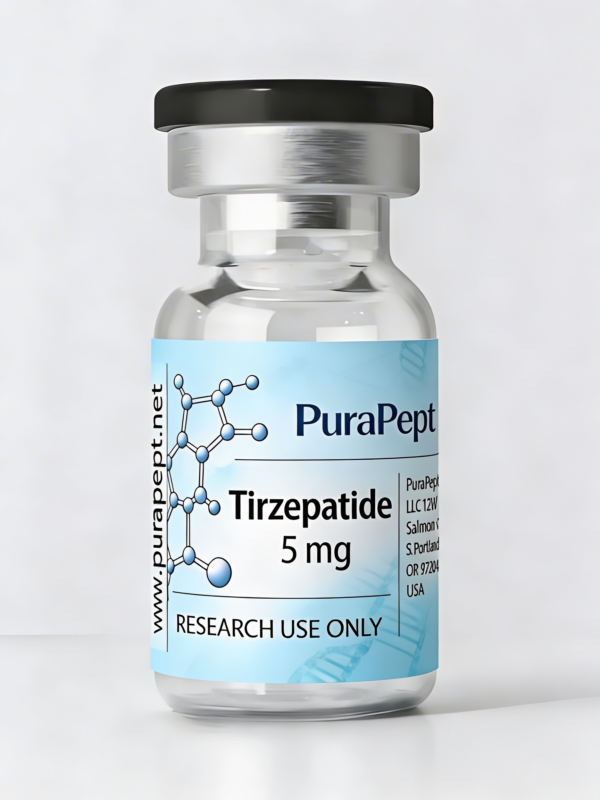 From +60 Rogue Points
Tirzepatide
Price range: 60,00 € through 125,00 €Select options This product has multiple variants. The options may be chosen on the product page -
 From +60 Rogue Points
Retatrutide
Price range: 60,00 € through 160,00 €Select options This product has multiple variants. The options may be chosen on the product page -
 +60 Rogue Points
-
 +100 Rogue Points
-
 +50 Rogue Points
-
 +50 Rogue Points
-
 +80 Rogue Points
-
 +10 Rogue Points
-
 +60 Rogue Points
-
 +60 Rogue Points
-
 +65 Rogue Points
Keep reading
 Peptide Research
 Sexual Health
 Performance Guides