


Testosterone Enanthate vs Cypionate vs Propionate: Esters Explained

Ask ten experienced lifters about testosterone enanthate vs cypionate and you will hear ten confident answers, most of them half right. The truth is simpler and more useful: every ampoule in this comparison contains the same hormone. What differs is the ester, a small chemical tail that decides how fast testosterone leaves the injection site, how high it peaks, how long it stays and how often it has to be given. Understand the ester and you understand nearly everything that separates enanthate, cypionate, propionate and Sustanon-type blends.
This guide is written for the careful and conscious user: an adult who gets bloodwork before starting and keeps getting it, involves a doctor, buys sealed product traceable to the manufacturer, sets goals in months rather than weeks and respects what a hormone can do in both directions. Testosterone is a prescription-only medicine in most of Europe and is prohibited at all times in tested sport under the WADA Code. It is not for beginners, and never for teenagers, whose hormonal systems are still maturing.
Below: what testosterone does, testosterone esters explained, a head-to-head with a comparison table, the benefits that make testosterone the reference compound of the Rogue performance range, the side effects to monitor and why authenticity is not optional. You will not find a dose, protocol or course length here: those belong to you and your doctor, guided by your blood results.
Key takeaways
- Same hormone, different clock. Every option releases identical testosterone; the ester only changes the timing.
- Testosterone enanthate vs cypionate is close to a tie: one carbon apart and almost identical in practice.
- Propionate trades convenience for control: fast in, fast out, far more frequent injections.
- Blends layer several esters for a fast start and a long tail. Convenient, not gentler.
- The benefits are real: muscle, strength, bone, red blood cells, libido and mood all respond.
- So are the risks: haematocrit, oestradiol, lipids, blood pressure and suppression of your own production, all tracked with bloodwork and a doctor.
- Authenticity comes first. Testosterone is among the most counterfeited medicines online.
What testosterone does in the body
Testosterone is the body’s primary androgen. In men it is made mainly in the testes, on instruction from luteinising hormone (LH) released by the pituitary gland, which in turn answers to the hypothalamus. This chain is the hypothalamic–pituitary–testicular axis (HPTA), and it runs on negative feedback: when testosterone and oestradiol are high, the brain turns the signal down. Remember that loop; it explains the most important side effect in this article.
Anabolic effects: muscle and strength
Testosterone binds the androgen receptor in muscle and switches on the machinery of growth. Protein synthesis rises, satellite cells (the muscle’s own stem cells) are recruited and new nuclei are added to fibres so they can carry more contractile protein. A landmark 1996 study by Bhasin and colleagues in the New England Journal of Medicine found that testosterone enanthate increased fat-free mass, muscle size and strength in healthy young men even without training, with the largest gains in those who also lifted. Later work from the same group showed the response is dose-dependent, and so are several of the side effects.
Beyond muscle: bone, blood, brain and libido
Testosterone also supports bone density, red blood cell production, insulin sensitivity, libido, erectile function, mood and drive. Some of that work is done by its metabolites. The enzyme aromatase converts part of it into oestradiol, which men need for bone, libido and healthy lipids; 5α-reductase converts part into dihydrotestosterone (DHT), a potent androgen acting on the skin, scalp and prostate. Nearly every benefit and side effect traces back to one of these three molecules.
Why testosterone is the reference compound
Every other anabolic-androgenic steroid is a modified relative of testosterone, described by how it differs from the original. Testosterone is the molecule the body already makes and already knows how to handle. That is why it anchors clinical testosterone replacement therapy (TRT) and why experienced users treat it as the core of anything they do.
Testosterone esters explained: why they exist
Unmodified testosterone is cleared from the blood quickly, so useful levels would take impractically frequent injections. The decades-old solution is to attach a fatty-acid chain, an ester, to the hormone’s 17β-hydroxyl group. The ester changes how the molecule behaves in the injection depot, not what it does at the receptor.
How an ester works
The ester makes testosterone more fat-soluble, so after an intramuscular injection it lingers in the oil depot and seeps into circulation gradually. Enzymes called esterases then cleave it off, releasing ordinary, bioidentical testosterone. The rule is simple: the longer and more fat-soluble the chain, the slower the release. Three-carbon propionate is quick; seven-carbon enanthate and eight-carbon cypionate are slow; ten-carbon decanoate is slower still.
Half-life, release curve and injection frequency
The half-life is the time it takes for circulating levels to fall by half. The release curve is the shape of blood levels after an injection: a short ester spikes and falls fast, while a long ester climbs to a broader peak and declines over days. Injection frequency follows from both: the shorter the ester, the more often it must be given to avoid swings. Several side effects track the peaks; energy, mood and libido tend to dip in the troughs. And since a drug is considered largely cleared after about five half-lives, a long ester keeps acting, for better or worse, for weeks after the last injection.
Ester weight: how much testosterone is in each milligram
The ester adds weight that is not hormone: by molecular weight, propionate is roughly 83% testosterone, enanthate 72%, cypionate 70% and decanoate 65%. Label strength refers to the ester compound, which is one more reason a doctor judges a protocol by bloodwork rather than label arithmetic.
Testosterone enanthate vs cypionate: the real differences
Testosterone enanthate vs cypionate is the comparison most people search for, and the honest answer is that these two are closer than any other pair in the category. Both are long esters, both are mainstays of clinical testosterone therapy, both come as oil solutions for intramuscular injection, and both release exactly the same hormone.
Chemistry: seven carbons versus eight
Enanthate is testosterone bonded to enanthic (heptanoic) acid, a straight seven-carbon chain. Cypionate is bonded to cyclopentylpropionic acid, an eight-carbon chain that includes a five-carbon ring. The extra carbon makes cypionate marginally more fat-soluble, marginally slower to release and slightly heavier, so it carries about two percentage points less testosterone per milligram: a difference lost in normal individual variation.
Half-life and release in practice
Published figures make the two look further apart than they are. The US prescribing information for cypionate quotes a half-life of approximately eight days, while classic pharmacokinetic work puts the terminal half-life of enanthate at around four to five days. Those numbers come from different study designs. Measured side by side, the two esters are close to equivalent, with a similar rise, peak and decline. If anything, cypionate’s curve is a fraction flatter. A nuance, not a different drug.
Geography, carrier oils and concentration
The biggest difference is historical: cypionate became the standard in North American clinical practice, enanthate across Europe and much of the world. Products also differ in carrier oil (cottonseed, sesame and castor oil are all used, often with benzyl benzoate or benzyl alcohol), and sensitivity to one of them is a practical reason a doctor may switch a patient. Concentration varies too: a stronger ampoule means less oil for the same amount of hormone.
Choosing between enanthate and cypionate
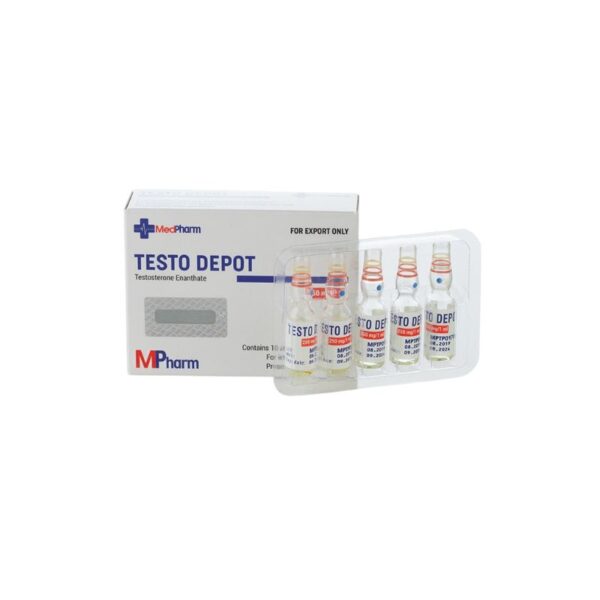
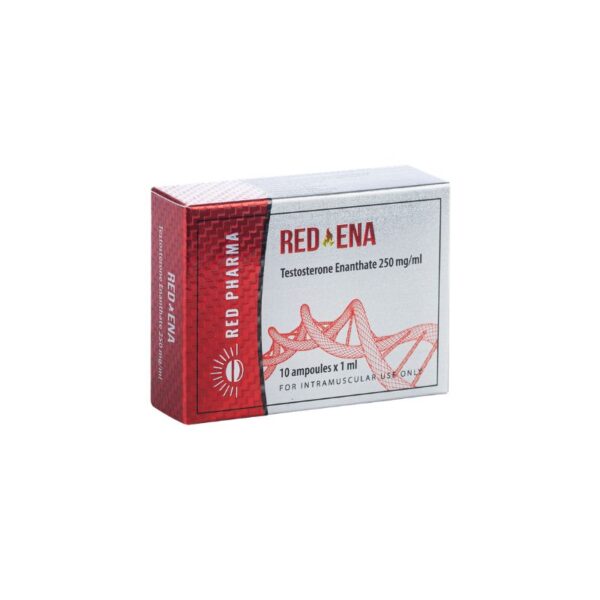
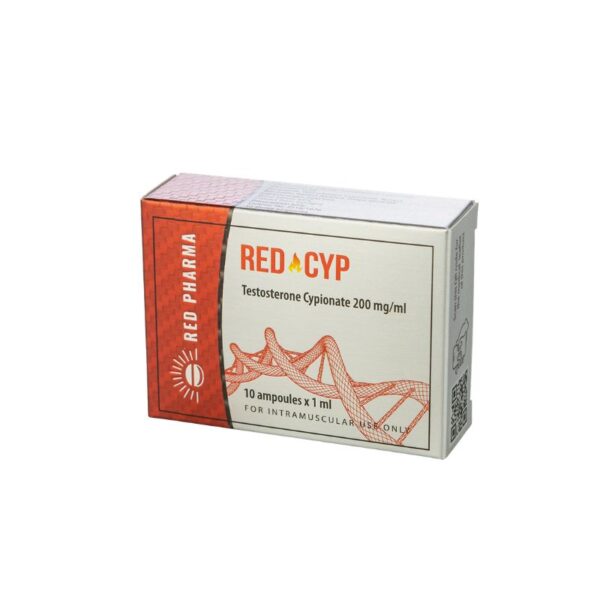
For most careful users the decision comes down to availability, your doctor’s familiarity, carrier tolerance and concentration, not the ester. In the Rogue range, enanthate comes as Testo Depot (testosterone enanthate), ten sealed ampoules from our Med Pharm pharmaceutical line, and as RED ENA, testosterone enanthate 250 mg/ml, a batch-tested preparation supplied for qualified laboratory research only. Cypionate comes as Testosterone Cypionate in sealed 1 ml ampoules and as RED CYP, testosterone cypionate 200 mg/ml, a higher-concentration presentation in sealed glass ampoules.
Testosterone propionate: the fast-acting short ester
Propionate is the oldest and shortest of the common testosterone esters: testosterone bonded to propionic acid, a three-carbon chain. It is released and cleaved quickly, so levels rise fast and fall fast. Its half-life is usually cited at around one to two days, and its active window is measured in days, not weeks.
Fast in, fast out: why some users prefer it
Propionate behaves almost like a dial, and the careful user who chooses it values control over convenience. If bloodwork flags a problem, such as climbing oestradiol, rising blood pressure or creeping haematocrit, a short ester clears in days rather than weeks. It suits people who have struggled with oestrogen-related side effects on long esters. Many users also report less water retention, though that is anecdotal and probably reflects how a protocol is run more than the ester itself.
The trade-offs
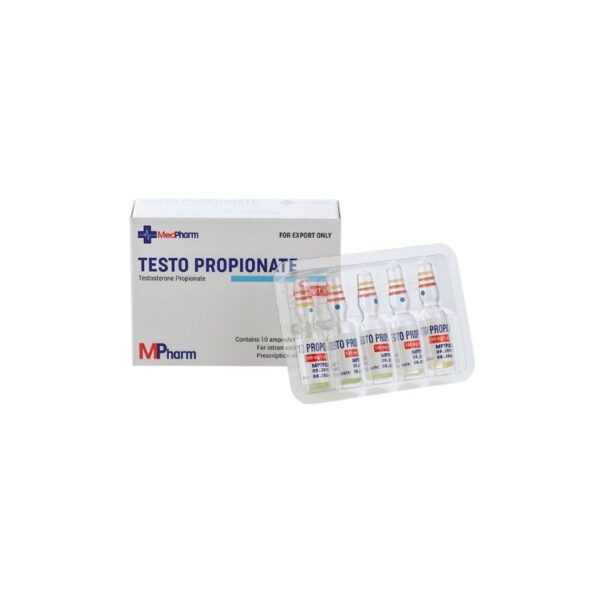
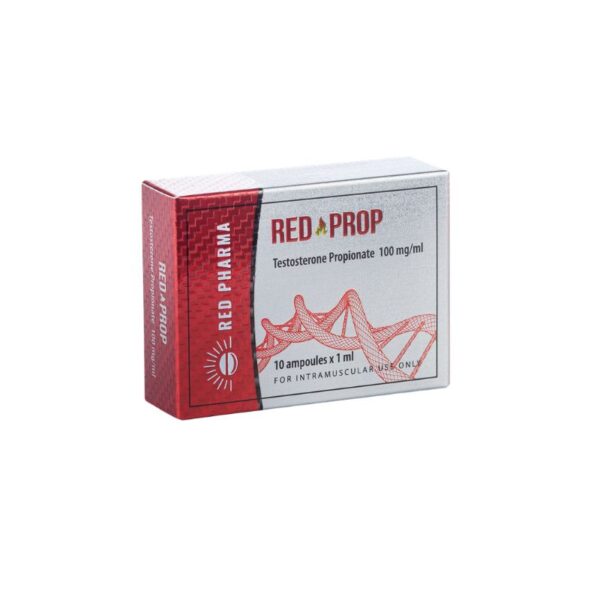
Control has a price. Propionate needs far more frequent injections than enanthate or cypionate to keep levels steady, which means more needles, more sites to rotate and more chances of infection if technique slips. It is also known for post-injection soreness. Rogue supplies it as Testosterone Propionate, 10 × 1 ml sealed ampoules from the Med Pharm line, and as RED PROP (testosterone propionate 100 mg/ml) for laboratory research, where its tight timing makes it the classic short-ester comparator.
Testosterone blends: how Sustanon-type mixes work
A testosterone blend combines several esters of the same hormone in one oil solution. The best-known formula, made famous by the Sustanon brand, layers four: propionate, phenylpropionate, isocaproate and decanoate. Each is cleaved at its own speed, so a single injection produces overlapping release curves.
How four esters build one curve
Think of four clocks started at once. Propionate delivers testosterone in the first days, phenylpropionate and isocaproate carry the middle, and ten-carbon decanoate is still releasing hormone long after the others have finished. The result is a quicker onset than enanthate or cypionate alone and a longer tail than either. The catch: the curve is not perfectly flat, because the short fraction creates an early peak, and the decanoate means slower complete clearance than a single long ester.
Who blends suit, and who they don’t
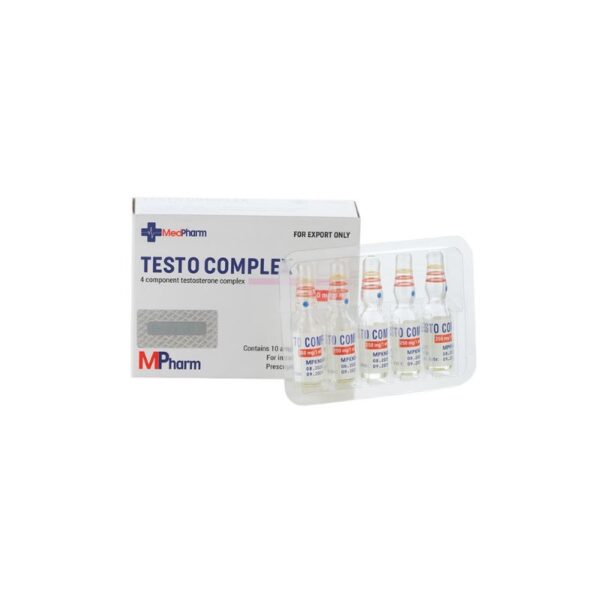
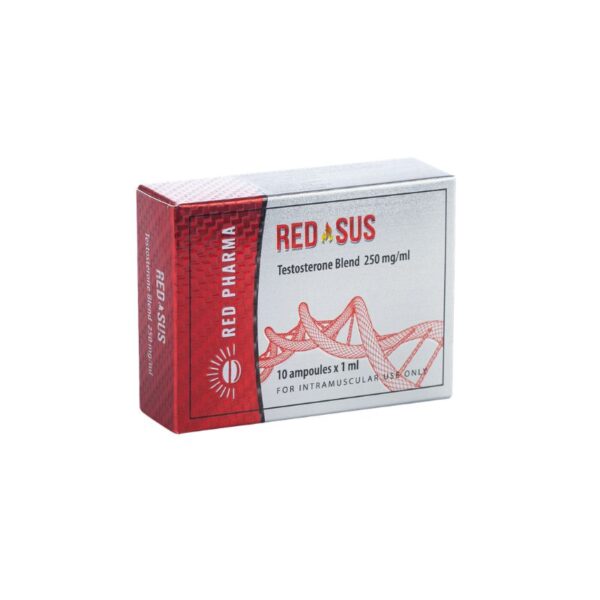
Blends suit users who value simplicity: one product, fast onset, long tail. They suit those who want precise control less well, because four overlapping curves are harder to read on a blood test. Rogue’s option is Testo Complex, a four-ester testosterone blend and the most cost-efficient entry in our testosterone range. For laboratories studying composite release kinetics, RED SUS (testosterone blend 250 mg/ml) is a batch-tested multi-ester preparation for research use only. Convenient, not gentle: every caution here applies in full.
Which testosterone ester is best? Comparison table and user profiles
Whether you are weighing testosterone enanthate vs cypionate or a short ester against a blend, there is no single best ester, only the best fit for a person, a goal and a level of supervision. Half-life figures below are approximate and vary between studies and formulations.
| Ester | Chain length | Testosterone by weight (approx.) | Half-life (approx., intramuscular) | Release profile | Relative injection frequency | In the Rogue range |
|---|---|---|---|---|---|---|
| Propionate | 3 carbons | 83% | 1–2 days | Rapid rise, sharp peak, fast clearance | Most frequent | Testosterone Propionate, RED PROP |
| Enanthate | 7 carbons | 72% | 4–5 days (figures vary by study) | Steady rise, broad peak, gradual decline | Infrequent | Testo Depot, RED ENA |
| Cypionate | 8 carbons (with ring) | 70% | About 8 days (US label) | Fractionally flatter than enanthate; near-equivalent in practice | Infrequent | Testosterone Cypionate, RED CYP |
| Sustanon-type blend | 3 to 10 carbons, four esters | About 70% (formula-dependent) | Composite, no single figure | Fast onset, early peak, long tail | Infrequent, slowest to clear | Testo Complex, RED SUS |
The TRT patient
A man with diagnosed low testosterone wants the fewest injections and the steadiest levels, which is why long esters dominate clinical practice alongside undecanoate injections and gels. The goal is normal physiology, not performance.
The experienced athlete
A seasoned, medically supervised adult building around a stable base usually picks enanthate or cypionate: a well-mapped curve, easy-to-read bloodwork and infrequent injections.
The control-first and convenience-first users
Someone who wants a fast exit if bloodwork turns prefers propionate, accepting more injections and more soreness as the price. Someone who wants one product with a quick start and a long duration chooses a blend, accepting a less readable curve and slower clearance.
The same logic across the range
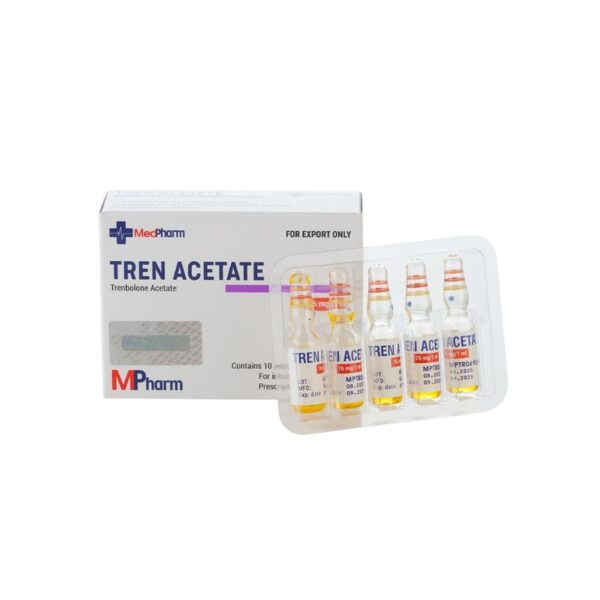
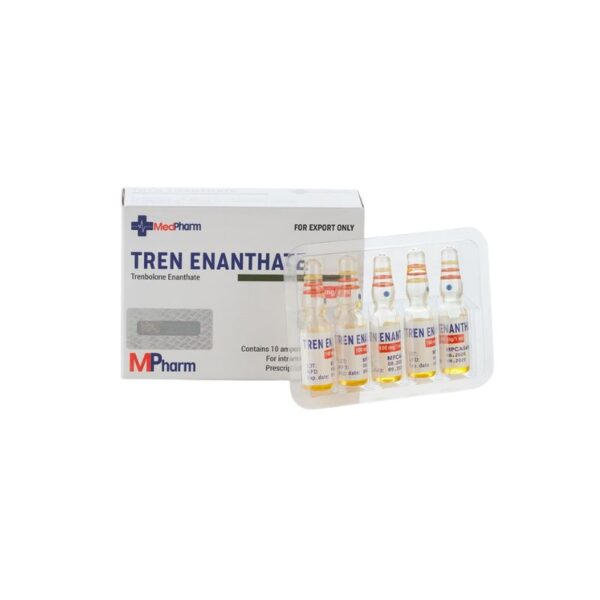
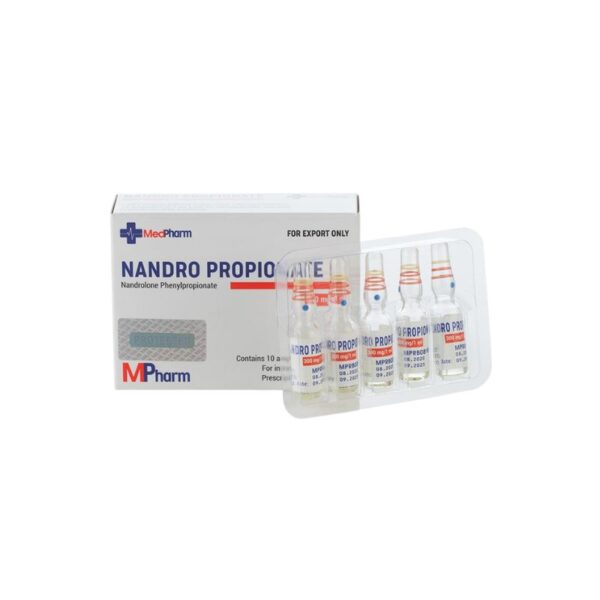
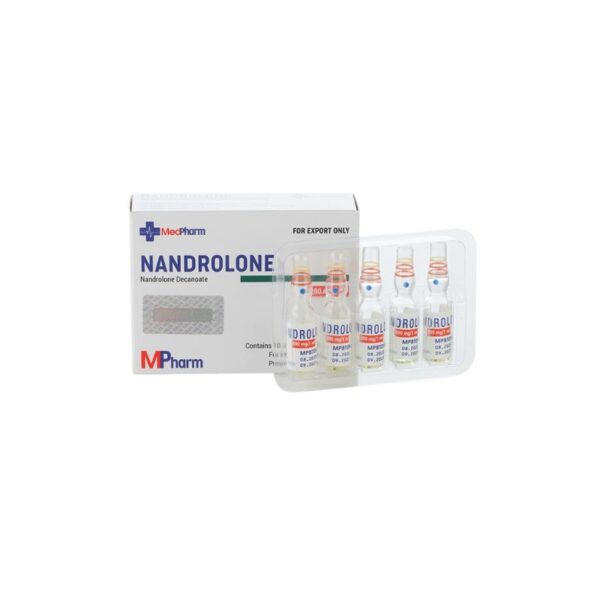
Understand testosterone esters and you can read almost any label in the category. Tren Acetate and Tren Enanthate are the short and long forms of trenbolone; Nandro Propionate (nandrolone phenylpropionate) and Nandrolone Decanoate do the same for nandrolone, as do Drostanolone Propionate and Drostanolone Depo (drostanolone enanthate) for drostanolone. All are more specialised than testosterone.
Benefits of testosterone for the careful and conscious user
There is a reason testosterone sits at the centre of both clinical endocrinology and serious physique sport. Used under supervision, at a level chosen with a doctor and checked with blood tests, its effects are broad, well documented and substantial.
Muscle, strength and body composition
Testosterone increases lean mass and strength and tends to reduce fat mass. For the trained athlete it amplifies a well-designed programme: more contractile protein and more strength from the same work. It multiplies the fundamentals rather than replacing them: a training week structured for muscle growth, sensible protein timing and serious attention to sleep and performance. If you have not yet pushed those to their limit, including breaking through training plateaus naturally, you are not ready for testosterone.
Recovery and training capacity
Users consistently describe faster recovery and the ability to sustain more training volume. The mechanisms are plausible, with higher protein synthesis and more oxygen-carrying red cells, though recovery is harder to measure than strength. The practical benefit is consistency: more productive weeks across a training year.
Libido, mood and drive
In the Testosterone Trials, published in the New England Journal of Medicine in 2016, older men with low testosterone saw improvements in sexual function and modest improvements in mood compared with placebo. Many users describe a steadier drive and sense of well-being. The flip side: very high levels can bring irritability, and stopping can bring low mood.
The TRT context, bone and blood
For men with hypogonadism confirmed by repeated morning blood tests and symptoms, testosterone replacement therapy restores energy, libido, bone density and body composition, and its effect on red cells can correct mild anaemia. TRAVERSE, published in 2023, found that testosterone gel in middle-aged and older hypogonadal men at elevated cardiovascular risk did not increase major cardiovascular events compared with placebo, although atrial fibrillation, pulmonary embolism and acute kidney injury were more frequent with testosterone. The Australian T4DM trial found that adding testosterone to a lifestyle programme reduced the proportion of at-risk men who had type 2 diabetes after two years. Real benefits and real trade-offs, both visible only with monitoring.
Testosterone side effects and risk management
Testosterone acts on many systems, so its side effects are broad: none is a reason for panic, all are reasons for monitoring. They depend mainly on the level reached and your biology; the ester changes only how quickly problems appear and resolve.
Oestrogen and aromatisation
Because aromatase converts part of your testosterone into oestradiol, higher testosterone means higher oestradiol. Too much can cause water retention and, in susceptible men, gynaecomastia that can become permanent; too little harms libido, joints, mood and lipids. The goal is balance, measured with a sensitive assay and managed by a doctor, not guessed from symptoms.
Haematocrit and blood viscosity
When haematocrit, the proportion of blood made up of red cells, climbs too high, blood thickens and the risk of clots, stroke and heart attack rises. Erythrocytosis is one of the most common reasons testosterone therapy is paused, and it is more frequent with injections than with gels. Endocrine Society guidelines advise stopping therapy if haematocrit rises above 54% until it comes back down.
Lipids, blood pressure and the heart
Testosterone tends to lower protective HDL cholesterol, more so at higher levels, while oral 17α-alkylated steroids such as Dianabol (methandienone) are far harsher on lipids and the liver. Fluid retention and rising haematocrit can push blood pressure up; the US label of one subcutaneous testosterone enanthate product carries a boxed warning about blood-pressure increases. Long-term high-level use has been linked in observational research to thickening of the heart muscle. Home blood-pressure readings and lipid panels are non-negotiable.
HPTA suppression and fertility
Every user experiences this one. Exogenous testosterone tells the brain there is plenty of hormone, so LH and FSH fall, the testes cut their own production and sperm output drops, often sharply; testosterone has been studied as a male contraceptive for exactly this reason. Recovery varies widely, can take months and is not assured, so discuss fertility with a doctor first.
To support recovery or fertility, specialists may use LH-mimicking gonadotropins or the SERM clomiphene, which blocks oestrogen feedback at the hypothalamus and pituitary so that LH and FSH rise. Rogue stocks it as Clomimed (clomiphene citrate 50 mg) in our PCT range. Rogue’s HCG 5000 IU is a PuraPept research product: Rogue’s peptides are sold for research purposes only and are not for human consumption. Any recovery plan belongs with a doctor and your own results, never a forum template.
Skin, hair, prostate, mood and sleep
Through conversion to DHT, testosterone can increase acne and accelerate male-pattern hair loss in predisposed men. It can enlarge the prostate and is contraindicated in prostate cancer, which is why PSA is monitored, especially after 40. High levels can bring irritability, testosterone can worsen obstructive sleep apnoea, and injections add infection risk from non-sterile equipment; technique should be learned from a medical professional.
Who should not use testosterone
Testosterone is not for anyone under 18, for beginners, or for anyone with prostate or breast cancer, uncontrolled heart failure, high haematocrit or untreated severe sleep apnoea. Nor is it for anyone hoping to conceive soon without specialist advice, anyone in tested sport (it is banned at all times under the WADA Code), or women, for whom virilising effects on voice and body hair can be permanent.
Bloodwork and medical supervision
Bloodwork separates a careful user from a hopeful one: it turns guesses into data and catches problems before they become symptoms. The sensible pattern is a full baseline panel before anything starts, follow-up tests at intervals your doctor sets, and testing after stopping to confirm recovery.
| Marker | Why it matters on testosterone |
|---|---|
| Total and free testosterone, SHBG | Shows what you are actually getting, and exposes underdosed or fake product |
| Oestradiol (sensitive assay) | Too high or too low both cause problems |
| Haematocrit and haemoglobin | Rising red cell mass raises clot risk |
| Lipid panel | Testosterone tends to lower HDL cholesterol |
| Liver enzymes (ALT, AST, GGT) | General health check; essential if oral compounds are involved |
| Kidney function (creatinine, eGFR) | Read in context, since extra muscle mass raises creatinine |
| PSA | Prostate monitoring, especially after 40 |
| LH and FSH | Show suppression of your own axis, and later its recovery |
| Blood pressure | Not a blood test, but just as important; track it at home |
Why a doctor belongs in the loop
A doctor screens for conditions that rule testosterone out, interprets results in context, sets the dose and duration that fit your health and goals, and spots early when something needs to change. Your doctor will also standardise when you test relative to your last injection, which matters most with fast-moving short esters, so panels stay comparable. Honesty with your doctor is the most protective habit of all.
Why authenticity matters: counterfeits and underdosing
Testosterone is one of the most counterfeited medicines on the internet. Laboratory analyses of black-market anabolic products have repeatedly found ampoules and vials that were underdosed, contained a different compound from the one on the label, or were contaminated. That breaks the logic of everything above. If a product is underdosed, your doctor is adjusting a plan built on false information. If it contains a different steroid, you carry side effects you never chose. If it is not sterile, you risk infection. And with a long ester, a bad product cannot simply be switched off. Whichever side of testosterone enanthate vs cypionate you land on, the ampoule has to be genuine.
Every testosterone product at Rogue comes in sealed, tamper-evident glass ampoules from European pharmaceutical manufacturing, with batch codes traceable to the manufacturer and full specifications on every page. Single-use ampoules avoid the repeated punctures of multi-dose vials. Orders ship fast and discreetly across the EU, tracked, in plain unbranded packaging. Browse the performance injectables collection for the pharmaceutical ampoules, from Testo Depot enanthate ampoules to our cypionate injectable; the hormonal compounds collection for RED CYP; and the research injectables range for RED ENA, RED PROP and RED SUS, which are supplied for qualified laboratory use only. If an offer elsewhere is dramatically cheaper, ask yourself what has been left out.
Frequently asked questions
Is testosterone cypionate stronger than enanthate?
No. Both release identical testosterone, and milligram for milligram cypionate carries slightly less hormone because its ester is heavier. Its release is marginally slower, but side-by-side measurements show the two behave almost identically.
Can you switch from testosterone enanthate to cypionate?
Doctors move patients between the two routinely, usually for availability, carrier-oil tolerance or price. Make any switch with your doctor and check it with follow-up bloodwork, because concentrations and carrier oils differ between products.
Which testosterone ester has the fewest side effects?
None. Side effects are driven by the testosterone level reached and your biology, not the ester. Short esters produce sharper peaks but clear within days if a problem appears; long esters give steadier levels but take weeks to leave the body.
How long does testosterone propionate stay in your system?
The testosterone propionate half-life is commonly cited at around one to two days, so levels fall substantially within days of the last injection, far sooner than with long esters. Clearance is a separate question from anti-doping detection, and testosterone in any form is prohibited at all times in tested sport.
Is Sustanon better than testosterone enanthate?
Not better, just different. A Sustanon-type blend gives a faster onset and a longer tail, which some find convenient. Enanthate gives a simpler curve that is easier to read on a blood test, and it clears faster than a blend containing decanoate.
Does testosterone shut down natural production?
Yes. It suppresses LH and FSH through negative feedback, so the testes reduce their own testosterone and sperm production. Recovery is usually possible but varies widely and can take months. Plan fertility and recovery with a doctor before you start.
Is testosterone legal in Europe?
It is prescription-only in most European countries, and rules on buying, importing and possessing it differ by country; some treat possession of anabolic steroids as a criminal offence. Check the law where you live before ordering.
Does testosterone cause hair loss?
It can accelerate it in genetically predisposed men, because part of testosterone becomes DHT, which drives male-pattern hair loss. Switching esters will not prevent it. If baldness runs in your family, raise it with your doctor beforehand.
The bottom line on testosterone esters
The debate over testosterone enanthate vs cypionate generates more heat than it deserves: they are near-twins, separated by one carbon atom and a great deal of geography. Propionate is the precision tool, fast and controllable but demanding. Blends offer convenience with a long tail. The hormone is the same, the benefits are real, and the risks are manageable only with bloodwork, a doctor and a product you can trust.
Experienced adult, groundwork done? Explore the full Rogue performance range or go straight to our testosterone and injectables collection: sealed, batch-traceable and delivered discreetly across the EU. The RED research preparations are supplied for qualified laboratory use only, and Rogue’s peptides are sold for research purposes only and are not for human consumption.
This article is for educational purposes only and is not medical advice. Prescription medicines and performance compounds carry real risks; speak to a qualified doctor before using any of them, and never use them if you are under 18.
Products in this guide
-
 +34 Rogue Points
-
 +49 Rogue Points
-
 +44 Rogue Points
-
+49 Rogue Points
-
 +34 Rogue Points
-
 +39 Rogue Points
-
 +29 Rogue Points
-
 +64 Rogue Points
-
 +59 Rogue Points
-
 +59 Rogue Points
-
 +39 Rogue Points
-
 +49 Rogue Points
Keep reading
 Performance Guides
 Performance Guides
 Performance Guides