


Orforglipron Explained: The Oral GLP-1 Pill vs Injectable Peptides
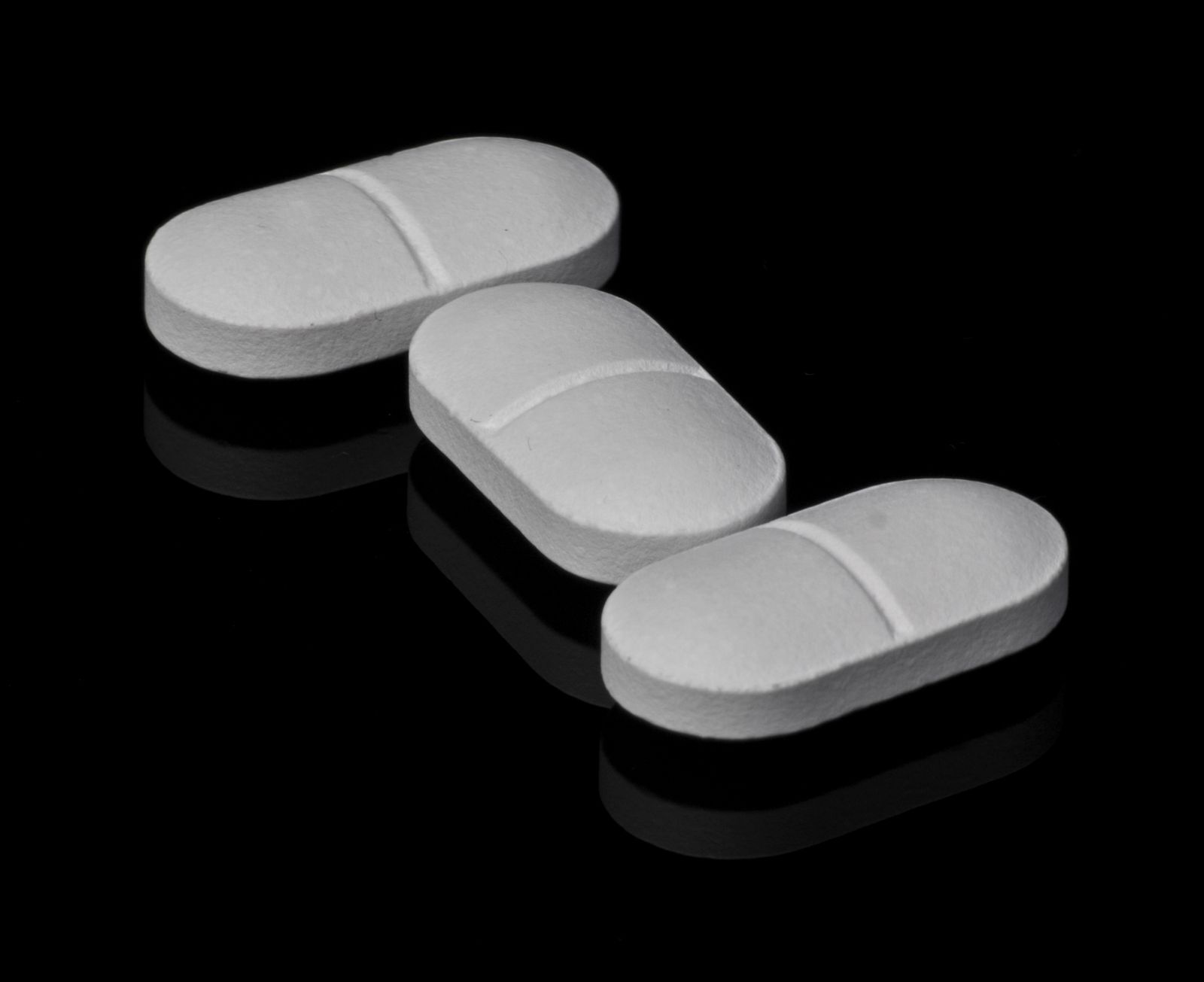
For most of the GLP-1 era, the price of admission has been a needle. Semaglutide, tirzepatide and the newer multi-agonists are peptides, which the gut digests long before they reach the bloodstream, so they are injected. Orforglipron is Eli Lilly’s attempt to change that: a small-molecule, non-peptide GLP-1 receptor agonist taken as a once-daily pill and, unlike oral semaglutide, without strict fasting rules. If it delivers at scale, it could change who gets access to this class of drugs and how they take them.
This guide covers what orforglipron is, what its phase 3 programmes have reported, and how the pill compares with oral semaglutide and the injectable peptides Semaglutide, Tirzepatide and Retatrutide. We also look at where amylin and Cagrilintide 5 mg fit, how people who train can keep their muscle, the side effects a careful user monitors, and why buying “orforglipron” online right now is a gamble.
This field moves month by month, so we stick to what is firmly established. And Rogue’s peptides are sold for research purposes only and are not for human consumption. Nothing here is a protocol; it is here so you can have a sharper conversation with your doctor.
Key takeaways
- Orforglipron is a small-molecule, non-peptide GLP-1 receptor agonist from Eli Lilly, designed as a daily tablet taken with or without food.
- Oral semaglutide (Rybelsus) is the same peptide as the injection, protected by an absorption enhancer, which is why it must be taken fasted with strict timing.
- Lilly’s phase 3 programmes are ACHIEVE (type 2 diabetes) and ATTAIN (obesity), with clear benefits over placebo and a typical GLP-1 side-effect profile.
- A pill matters beyond convenience: small molecules are easier to manufacture at scale and need no refrigerated pens.
- Tirzepatide and the investigational retatrutide hit more receptors, and amylin analogues such as cagrilintide add a separate satiety pathway.
- Gastrointestinal effects, gallbladder problems and pancreatitis signals apply across the class, and anyone who trains needs a plan to protect lean mass.
- Regulatory status depends on your country and the date. “Orforglipron” sold online outside a regulated pharmacy is of unknown origin.
What is orforglipron?
Orforglipron (development code LY3502970) is an oral GLP-1 receptor agonist. Like semaglutide, it activates the receptor for glucagon-like peptide-1, the gut hormone that prompts insulin release when glucose is high, damps down glucagon, slows stomach emptying and signals fullness to the brain. Unlike semaglutide, it is not a peptide. It is a compact synthetic molecule of the kind found in most tablets, and that single difference explains almost everything interesting about it.
From Chugai to Lilly
The molecule was discovered by the Japanese company Chugai Pharmaceutical and licensed to Eli Lilly, which took it through clinical development. Alongside tirzepatide and retatrutide, it is Lilly’s bid for the oral end of the market.
A small molecule without fasting rules
Every earlier GLP-1 drug, including the tablet form of semaglutide, is a chain of amino acids modelled on the natural hormone: large, fragile and easily digested. Orforglipron came from screening for small molecules that could switch the receptor on, then optimising them for potency, stability and absorption. It binds the receptor differently from the native hormone yet still triggers the signalling that matters for glucose and appetite. Because it survives stomach acid and is absorbed in the ordinary way, it was taken in trials once a day, with or without food, and without the water and timing rules of oral semaglutide.
Peptide vs small molecule: how a GLP-1 pill works
Why have GLP-1 drugs been injections, and how have companies fitted them into a tablet?
The GLP-1 signal and why peptides are injected
Native GLP-1 lasts only a couple of minutes in the blood before the enzyme DPP-4 clips it apart. Semaglutide swaps the amino acid where DPP-4 cuts and carries a fatty-acid chain that binds albumin, which keeps it circulating for about a week and allows weekly injections. Tirzepatide and retatrutide use similar engineering and add the GIP and, for retatrutide, glucagon receptors; our guide to semaglutide vs tirzepatide vs retatrutide covers each in depth. The catch is that the gut is built to digest protein. Swallow a peptide and almost none of it reaches the circulation, so injection has been the default.
Route one: protect the peptide (oral semaglutide)
Novo Nordisk co-formulated semaglutide with an absorption enhancer called SNAC, which locally buffers stomach acid, shields the peptide from digestion and helps it cross the stomach lining. It works, but only a small fraction of each tablet is absorbed, so tablets contain far more semaglutide than a weekly injection delivers. Food and drink interfere, which is why the label requires an empty stomach, a small sip of water and a wait before eating, drinking or taking other tablets.
Route two: replace the peptide (orforglipron)
Lilly abandoned the peptide. A small molecule absorbed like a conventional drug needs no enhancer and no empty stomach. The trade-off is that it lacks the albumin trick behind semaglutide’s weekly profile, so orforglipron is a daily tablet, with a half-life long enough to keep levels reasonably steady from one day to the next.
Why a GLP-1 pill matters: manufacturing, cold chain and convenience
The bigger story behind an oral GLP-1 is supply. The pen shortages of recent years showed how hard it is to scale an injectable peptide to millions of people, and a tablet changes several bottlenecks at once.
Manufacturing at scale
Long, lipidated peptides need demanding multi-step synthesis, careful purification and sterile filling into pens, a specialised capacity that cannot be built overnight. A small molecule is made by conventional chemistry and pressed into tablets on the kind of lines used for everyday medicines, which is why oral small molecules are widely seen as the route to far wider access.
No cold chain
Injectable GLP-1 pens are refrigerated products, at least until first use, and every step from factory to home has to respect that. Tablets are generally stored at room temperature, which removes a quiet failure point: peptide stored warm or frozen by mistake.
Convenience, and the daily-versus-weekly trade-off
No needles, no pen disposal, no fasting ritual. The honest counterpoint is that a weekly injection is one decision a week and a daily tablet is seven, and some people prefer the weekly rhythm.
Orforglipron results: what the trials have shown so far
This is where the internet is most careless, so here is what is firmly on the record, described conservatively.
Phase 2: the proof of concept
Phase 2 trials in adults with obesity and in type 2 diabetes were published in 2023, in The New England Journal of Medicine and The Lancet respectively. They showed dose-dependent reductions in body weight and, in diabetes, in HbA1c, with the familiar GLP-1 side effects concentrated in the dose-escalation phase.
ACHIEVE: type 2 diabetes
The ACHIEVE trials test orforglipron in type 2 diabetes against placebo and established treatments. The first readout, ACHIEVE-1, reported significant improvements in blood glucose control versus placebo together with weight loss, and a tolerability profile consistent with the injectable GLP-1 drugs.
ATTAIN: obesity and overweight
The ATTAIN trials study weight management in people with obesity or overweight. ATTAIN-1, in adults without diabetes, reported weight loss clearly greater than placebo, alongside improvements in markers such as waist circumference and blood pressure. On average, the loss was more modest than published figures for injectable tirzepatide in its own trials. Lilly has also looked at whether people who lost weight on an injection could switch to the pill to maintain it, which may prove one of its most important uses.
How to read the numbers honestly
Trials differ in population, duration, escalation and how dropouts are handled, so cross-trial averages are not head-to-head results. The fair summary: orforglipron produces meaningful weight loss and glucose improvement as a pill, and the strongest injectables still set the upper bound for average weight loss.
Is orforglipron approved?
That depends on where you are and when you read this. Lilly has taken orforglipron through phase 3 and towards regulatory review, and decisions arrive at different times in different regions. Check with your national medicines regulator or your doctor, not a seller’s page. Until it is approved and dispensed through pharmacies in your country, there is no legitimate retail supply.
Orforglipron vs semaglutide: oral and injectable
Semaglutide is the benchmark every new GLP-1 drug is measured against, and its two forms compare with orforglipron in different ways.
Against oral semaglutide (Rybelsus)
Rybelsus, licensed for type 2 diabetes in the US and the EU after the PIONEER trials, proved that a GLP-1 peptide could work as a pill. Its limit is the fasting routine described above. Novo Nordisk has also run higher-dose oral semaglutide programmes for weight management, the OASIS trials, and its status for obesity varies by market. Lilly has compared the two directly in type 2 diabetes within ACHIEVE, and head-to-head data of that kind are worth far more than cross-trial comparisons.
Against injectable semaglutide (Ozempic and Wegovy)
Weekly semaglutide has the deepest evidence base in the class: the STEP obesity trials, years of real-world use, and the SELECT outcomes trial, which reported fewer major cardiovascular events in people with cardiovascular disease and overweight or obesity. Orforglipron does not yet have a comparable track record, and long-term outcomes data take years to build. On the other side of the ledger: a daily tablet with no fridge, needles or fasting rules.
So which is “better”?
For maximum average weight loss and the longest safety record, injectable semaglutide sits ahead of a brand-new pill. For convenience, scale and people who will not inject, orforglipron is the more interesting proposition. It is a choice of trade-offs, made with a doctor who knows your history and blood results.
Oral GLP-1 vs injections: orforglipron, tirzepatide and retatrutide
Orforglipron acts on one receptor. The most powerful injectables act on two or three, and that shapes what each can realistically do.
Tirzepatide: two receptors
Tirzepatide is a weekly dual agonist at the GIP and GLP-1 receptors. In the SURMOUNT obesity trials, starting with SURMOUNT-1, it produced larger average weight losses than earlier licensed obesity drugs, and it is approved for type 2 diabetes and weight management. In any orforglipron vs tirzepatide comparison, a single-receptor pill is not expected to match the dual agonist on average weight loss; its case is access and ease of use, not raw power.
Retatrutide: three receptors
Retatrutide adds the glucagon receptor, studied for its effects on energy expenditure and liver fat. Its phase 2 obesity results, published in 2023, drew enormous attention, and it has moved into a phase 3 programme called TRIUMPH; it remains investigational. Retatrutide 5 mg sits in our research catalogue beside Tirzepatide 5 mg and Semaglutide 5 mg, all as lyophilised, batch-tested vials for laboratory use.
Where a pill fits
The likely future is pill and injection, not pill versus injection: injectables where the greatest effect is needed, tablets for earlier stages, for people who will not inject and possibly for maintenance. All of them reduce appetite and food intake; none burns fat directly, and results depend on food, training and sleep around them.
Side-by-side comparison
| Compound | Molecule | Receptor targets | Form | Food and timing rules | Stage (general) |
|---|---|---|---|---|---|
| Orforglipron | Small molecule (non-peptide) | GLP-1 | Daily tablet | With or without food in trials | Key phase 3 trials reported; approval varies by country and date |
| Oral semaglutide (Rybelsus) | Peptide with absorption enhancer | GLP-1 | Daily tablet | Empty stomach, sip of water, wait before eating | Licensed for type 2 diabetes; higher-dose obesity programmes |
| Semaglutide injection | Lipidated peptide | GLP-1 | Weekly injection | None related to meals | Licensed for type 2 diabetes and weight management |
| Tirzepatide | Lipidated peptide | GIP + GLP-1 | Weekly injection | None related to meals | Licensed for type 2 diabetes and weight management |
| Retatrutide | Lipidated peptide | GIP + GLP-1 + glucagon | Weekly injection in trials | None related to meals | Investigational (phase 3, TRIUMPH) |
| Cagrilintide | Lipidated amylin analogue | Amylin and calcitonin receptors | Weekly injection in trials, alone or with semaglutide | None related to meals | Investigational (CagriSema, phase 3 REDEFINE) |
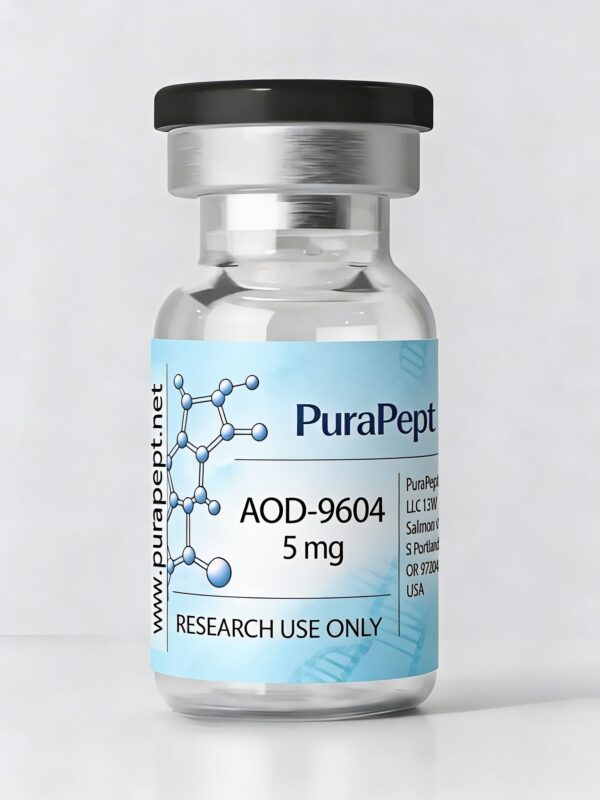
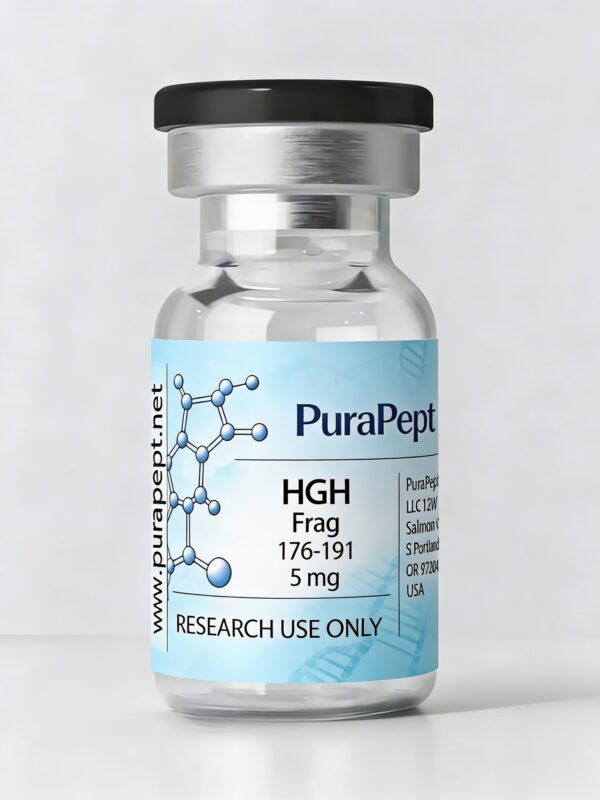
None of these is a direct fat burner. Classic cutting compounds such as clenbuterol and T3 act on energy expenditure, with a very different risk profile, covered in our guide to clenbuterol, ketotifen, T3 and T4 and the T3 Cytomel and liothyronine guide. Fat-metabolism research peptides such as AOD-9604 5 mg and HGH Frag 176-191 5 mg work on yet another principle; our AOD-9604 research guide explains why its human trials never matched the GLP-1 drugs.
Where amylin and cagrilintide fit
GLP-1 is not the only satiety hormone worth targeting, and the next wave of metabolic drugs leans on a second one: amylin.
What amylin does
Amylin is released by the pancreatic beta cells together with insulin. It slows stomach emptying, restrains glucagon after meals and acts on hindbrain areas that govern fullness and meal size, partly through different routes from GLP-1, which is why researchers expect the two signals to add rather than overlap. Native amylin clumps into fibrils; a short-acting analogue, pramlintide, is licensed in the US as a mealtime add-on to insulin. The modern goal has been a stable, long-acting version.
Cagrilintide and CagriSema
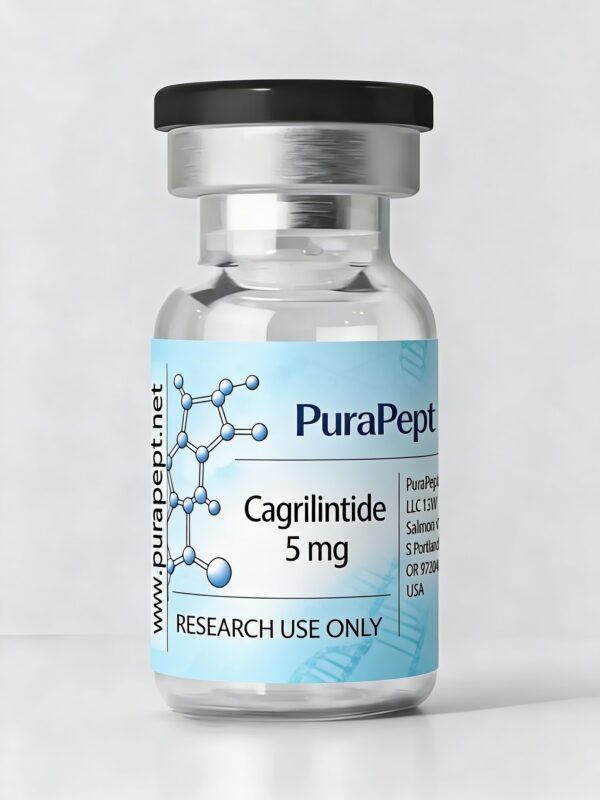
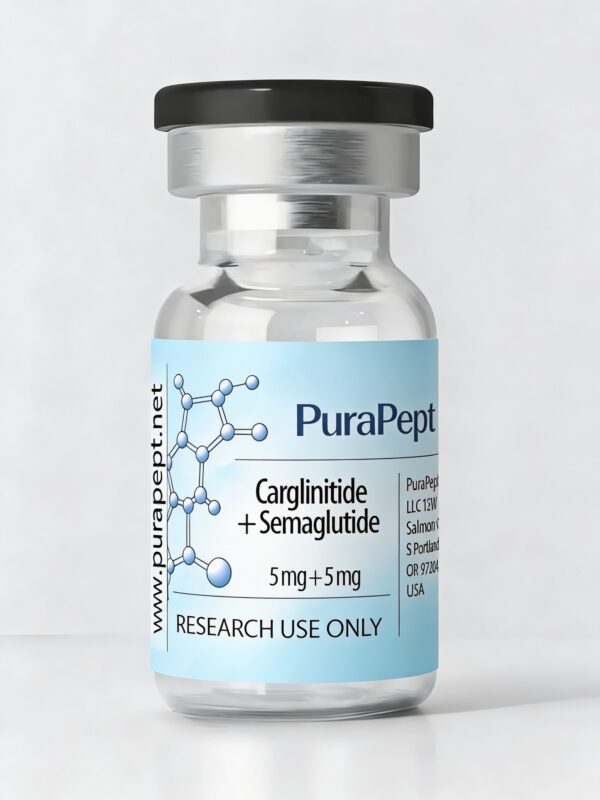
Cagrilintide is Novo Nordisk’s long-acting amylin analogue, engineered to resist aggregation and lipidated to last long enough for weekly administration in trials. It has been studied alone, but the main interest is CagriSema, its combination with semaglutide, tested in the phase 3 REDEFINE programme: two satiety pathways with different mechanisms in one weekly treatment. Its final place depends on regulators and on how its tolerability compares with existing options. For laboratories, Cagrilintide 5 mg is supplied as a sealed, lyophilised vial for amylin-receptor and satiety research, and the co-formulated Cagrilintide + Semaglutide 5 mg + 5 mg vial puts both pathways in one preparation. Like everything in our peptides range, these are research materials, not medicines.
Amylin and the oral future
Amylin analogues are peptides too, with the same oral-delivery problem. Novo Nordisk is developing amycretin, a single molecule designed to activate both GLP-1 and amylin receptors, and has studied it as an injection and as a tablet. For now, orforglipron is a single-pathway pill, and multi-pathway approaches remain injectable or investigational.
Keeping muscle on a GLP-1: what people who train need to know
If you train, what matters is what the lost weight is made of. This applies equally to orforglipron, semaglutide and tirzepatide: any large, sustained energy deficit takes some lean tissue with it unless you defend it.
Why lean mass is lost
DEXA sub-studies of the injectable drugs found that a meaningful share of the weight lost was lean mass rather than fat. Lean mass on a scan includes water, organ tissue and glycogen as well as muscle, and a similar pattern is seen with large losses from dieting alone. Still, for an athletic goal, losing muscle is a poor trade, and suppressed appetite makes it easy to under-eat protein without noticing.
Training, protein and the rate of loss
Progressive resistance training is the strongest signal you can send to keep muscle in a deficit: train every major muscle group, try to hold your strength, and treat a steady decline in your main lifts as an early warning. Build every meal around protein, and ask a doctor or sports dietitian to set a personal target. A slower, steadier rate of loss is kinder to muscle than a crash, and sleep, hydration, electrolytes and micronutrients such as iron, vitamin B12 and vitamin D matter more when food intake falls.
Measure, do not guess
Scale weight cannot tell fat from muscle. A baseline and follow-up DEXA scan, waist measurements, photos and a training log give a far clearer picture. Researchers are also exploring compounds that might mimic aspects of exercise: SLU-PP-332 5 mg, AICAR 50 mg and the mitochondrial peptide MOTS-c 10 mg are studied in cell and animal models, but they are research tools, not a substitute for a barbell and a protein-rich diet. Anabolic steroids, sometimes discussed as a way to hold muscle in a deficit, are prescription-only medicines in most of Europe, prohibited in tested sport under WADA rules and not for beginners or teenagers; they add risks rather than remove them.
Orforglipron side effects and risk management
Whatever the delivery route, GLP-1 drugs share a core side-effect profile, and the orforglipron trials so far describe the familiar class pattern rather than anything new.
Gastrointestinal effects
Nausea, vomiting, diarrhoea, constipation, indigestion and reflux are the most common side effects across the class. They are most noticeable at the start and whenever the dose is stepped up, which is why every programme uses gradual escalation set by the prescriber. For many people they ease; for some they end treatment. Persistent vomiting or diarrhoea can cause dehydration and, in turn, acute kidney problems.
Gallbladder and pancreas
Gallstones and gallbladder inflammation occur more often with GLP-1 drugs, partly because of rapid weight loss itself. Acute pancreatitis has been reported across the class; causation is debated, but labels take it seriously and a history of pancreatitis needs careful discussion. Severe, persistent upper abdominal pain, sometimes spreading to the back, is a reason to seek urgent medical care.
Other risks worth knowing
- Low blood sugar: uncommon alone, far more likely alongside insulin or sulfonylureas.
- Heart rate: a modest rise in resting heart rate is a known class effect.
- Thyroid: US labels for injectable GLP-1 drugs warn about thyroid C-cell tumours seen in rodents, and they are not used with a personal or family history of medullary thyroid cancer or MEN2.
- Eyes: rapid glucose improvement has been linked to worsening diabetic retinopathy in some people, and European regulators list a rare optic nerve condition (NAION) as a very rare side effect of semaglutide.
- Procedures and other medicines: slower stomach emptying matters before surgery or endoscopy and can change how other tablets are absorbed; tirzepatide’s label specifically flags oral contraceptives.
- Mood and pregnancy: the EMA reviewed reports of suicidal thoughts and found no evidence of a causal link, but mood changes deserve a conversation with your doctor; these drugs are not used in pregnancy.
The small-molecule question: liver and interactions
Peptides are broken down much like proteins; small molecules are processed by the liver like most tablets, which brings extra scrutiny of liver safety and drug interactions. Pfizer stopped developing its own oral small-molecule candidate, danuglipron, after a liver-safety finding in a trial participant. That says nothing specific about orforglipron, but it explains why regulators look closely at liver data for every drug of this type.
What the careful user monitors
- Body weight, waist circumference and, ideally, body composition by DEXA.
- Blood pressure and resting heart rate.
- HbA1c and fasting glucose, especially alongside other glucose-lowering treatment.
- Kidney function (creatinine, eGFR), particularly after vomiting or diarrhoea.
- Liver enzymes (ALT, AST, GGT) and a lipid panel.
- Full blood count, ferritin, vitamin B12 and vitamin D, because total food intake falls.
- Training numbers and a simple diary of digestion, energy, mood and sleep.
Why a doctor belongs in the loop
These are prescription medicines for a reason. A doctor screens for contraindications such as past pancreatitis or certain thyroid cancers, adjusts insulin or sulfonylureas, sets dose and duration, manages escalation when side effects appear and interprets blood results in context. Anyone with a history of disordered eating needs particular care, because appetite suppression can reinforce harmful patterns.
Why buying orforglipron online is risky right now
Where demand outruns legitimate supply, the grey market fills the gap. To be direct: Rogue does not sell orforglipron, and we would treat any online offer of it with deep suspicion.
- A single originator controls supply. Genuine orforglipron comes from Lilly and, where approved, reaches patients through regulated pharmacies. Anything else has no verifiable chain of custody.
- Small molecules are easy to imitate badly. A laboratory with no quality system can copy a chemical route, and the result can look exactly like the real thing.
- You cannot check what is inside. Wrong compound, wrong amount, contaminants or nothing at all: a white tablet tells you nothing.
- No safety net. No batch record, no recall system, no manufacturer to report to.
Falsified GLP-1 products are documented, not hypothetical: the WHO and European regulators have warned about fake semaglutide pens whose contents were not what the label claimed, and a high-profile new pill attracts the same incentives.
Why authenticity matters for every compound in this space
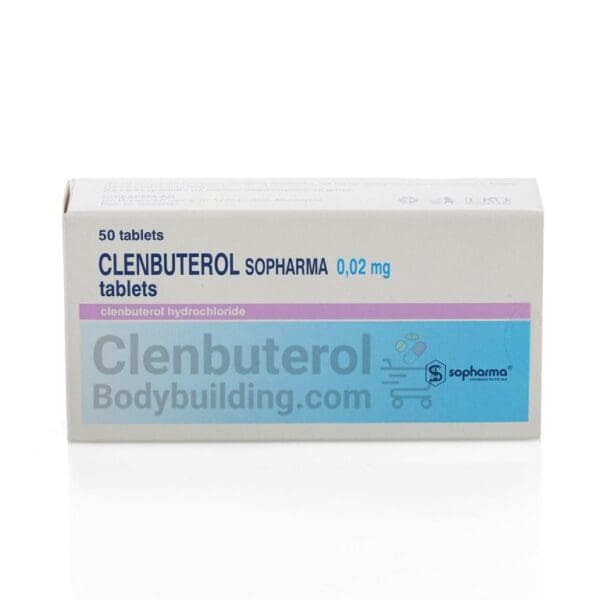
Underdosed, degraded or mislabelled material undermines both safety and any meaningful result. Our PuraPept research peptides, including Semaglutide, Tirzepatide, Retatrutide and Cagrilintide 5 mg, arrive as sealed, tamper-evident vials from a European supply chain, batch-tested and traceable to the production lot, never repackaged, and shipped in discreet, tracked EU delivery. Rogue’s peptides are sold for research purposes only and are not for human consumption. On the medicines side, Sopharma Clenbuterol from our fat burners range comes factory-sealed and traceable to the manufacturer, and our guide to genuine vs fake Sopharma clenbuterol shows what to check on any pack. If you cannot trace it, do not trust it.
Frequently asked questions
What is orforglipron?
Orforglipron is an oral GLP-1 receptor agonist developed by Eli Lilly. It is a small, non-peptide molecule rather than a modified hormone, so it is absorbed as an ordinary daily tablet. In trials it was taken with or without food.
Is orforglipron better than semaglutide?
It depends on what you mean by better. Injectable semaglutide has a longer track record, including cardiovascular outcomes data, while orforglipron offers a needle-free tablet without food restrictions that is easier to produce at scale. Head-to-head data and your own medical history matter more than any headline comparison.
Is there a GLP-1 pill?
Yes. Oral semaglutide (Rybelsus) has been licensed for type 2 diabetes for several years, and higher-dose oral semaglutide has been developed for weight management. Orforglipron is the leading small-molecule oral GLP-1; whether it is available where you live depends on your regulator and the date.
Do you need to fast before taking orforglipron?
In its clinical trials, orforglipron was taken with or without food and without timing rules around meals or water. That is one of its main practical differences from oral semaglutide, which is taken on an empty stomach followed by a wait before eating or drinking.
What are the side effects of orforglipron?
The most common are gastrointestinal: nausea, vomiting, diarrhoea, constipation and indigestion, mostly during dose escalation. Class-wide risks such as gallbladder problems, pancreatitis and dehydration also apply, so a doctor should monitor anyone using any GLP-1 drug.
When will orforglipron be available?
Lilly has reported key phase 3 trials and taken the drug towards regulatory review, but approval and launch timing differ by country. Check your national medicines regulator or ask your doctor; do not rely on online sellers’ claims.
Can I buy orforglipron online?
Not from any source you can trust outside a regulated pharmacy where it has been approved. Online offers of “orforglipron” cannot be traced to the manufacturer, and falsified GLP-1 products are a documented problem. Rogue does not sell orforglipron.
The bottom line
Orforglipron is the clearest sign yet that the GLP-1 era is moving beyond the needle. A small-molecule pill without fasting rules could make this class easier to produce, store and take, while injectable semaglutide, tirzepatide and, in time, retatrutide and amylin combinations remain the heavyweights for maximum effect. For the careful and conscious user, the formula does not change: work with a doctor, get the bloodwork, protect your muscle and use only authentic, traceable products.
If your interest is the science, explore our research peptides collection, from semaglutide research vials to cagrilintide, and read our full GLP-1 peptides comparison next. Rogue’s peptides are sold for research purposes only and are not for human consumption.
This article is for educational purposes only and is not medical advice. Prescription medicines and performance compounds carry real risks; speak to a qualified doctor before using any of them, and never use them if you are under 18.
Products in this guide
-
 From +50 Rogue Points
Semaglutide
Price range: 50,00 € through 80,00 €Select options This product has multiple variants. The options may be chosen on the product page -
 From +60 Rogue Points
Tirzepatide
Price range: 60,00 € through 125,00 €Select options This product has multiple variants. The options may be chosen on the product page -
 From +60 Rogue Points
Retatrutide
Price range: 60,00 € through 160,00 €Select options This product has multiple variants. The options may be chosen on the product page -
 +60 Rogue Points
-
 +60 Rogue Points
-
 +60 Rogue Points
-
 +100 Rogue Points
-
 +80 Rogue Points
-
 +40 Rogue Points
-
 +50 Rogue Points
-
 From +29 Rogue Points
Clenbuterol
Price range: 29,99 € through 189,99 €Select options This product has multiple variants. The options may be chosen on the product page
Keep reading
 Fat Loss
 Fat Loss
 Fat Loss